




Indigenous affairs in Australia are at its lowest ebb in modern history, one of the leaders of the Uluṟu Dialogue says on the one-year anniversary of the defeated Voice to parliament referendum.
It comes as leading "no" campaigners have criticised the federal government for a lack of action they believe is needed to help Indigenous Australians.
Speaking to National Indigenous Times, other First Nations advocates expressed their concern at a lack of meaningful action on Indigenous law and policy reform, as well as on the support of vulnerable First Nations people in remote communities.
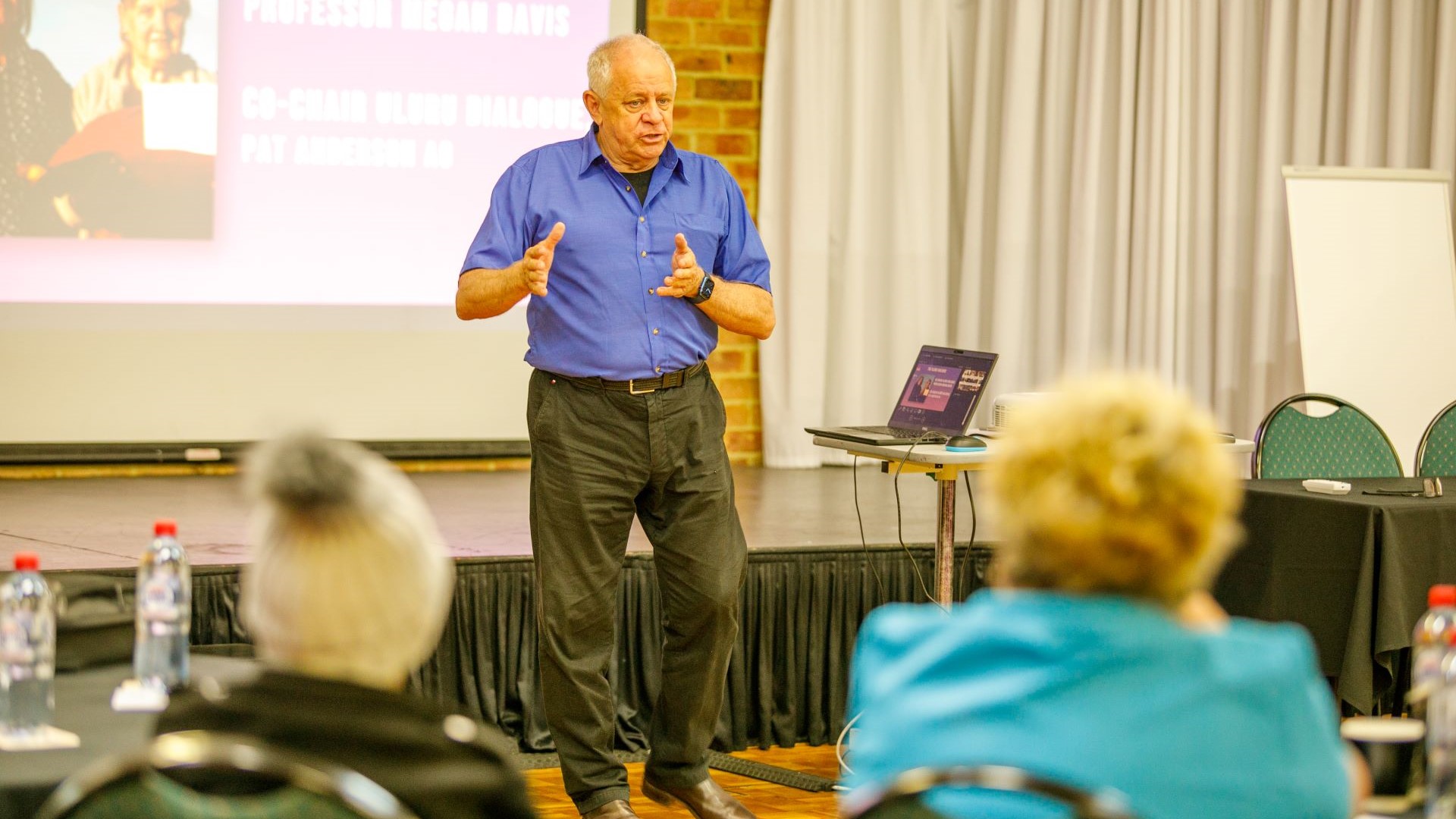
Uluṟu Dialogue leader and Wiradjuri man Geoff Scott is critical of both the 'No' side, and the current federal government, arguing a lack of reform is evident across the country.
"The No campaign - who voted for no change - they voted for putting another generation of kids…leaving them to wander around in the mire," he told National Indigenous Times.
"Their grandchildren will judge them.
"What worries me…is that we voted for no change, and what we have is no change."
While some key Indigenous leaders during the referendum, including Yes23's Dean Parkin and Thomas Mayo, have largely remained out of the limelight since the defeat, others have called for more action from the federal government. Mr Parkin, now working as Director, Indigenous Advisory, for Westpac, is currently overseas and was unavailable for comment.
Mr Scott said he believes the situation is "drifting badly".
"I think that remains the case across the country," he said.
Chief executive of GetUp, Widjabul Wia-bal woman Larissa Baldwin-Roberts, said 12 months on from the referendum, the situation for Indigenous people was "bleak" in many areas.
She said while conversations with communities, and people who work in advocacy and frontline organisations, showed was still a lot of energy, Labor governments - both federal and state - were "walking back" on many things, even if they're "trying to make out like they're not".
The money invested by the government - such as high profile, big spends on remote housing - wasn't "new money" and simply isn't being seen on the ground, Ms Baldwin-Roberts said.
"I think…in a lot of ways, the Labor governments have been cowardly, if not actually, completely walking away from First Nations communities," she said.
A year on from the referendum, she said she still couldn't understand how Labor hadn't taken any "responsibility" for what "it's done to our communities".
"The stress and pressure on Aboriginal community-controlled organisations, it's created a lot of division," she said.

The referendum called for the implementation of one part - Voice - of the Makarrata Commission.
Advocates have argued the remaining aspects - Treaty and Truth-Telling - remain unfulfilled.
Earlier this month, Minister for Indigenous Australians, Malarndirri McCarthy, confirmed Indigenous truth-telling and treaty in the form of the Makarrata Commission will not be revived federally before the next election.
"I really respect Malarndirri McCarthy," Ms Baldwin-Roberts said.
"But the things that she was saying around the Makarrata Commission, and then saying she wasn't walking them back. You are walking it back. We can see that."
Mr Scott labelled the decision "cowardice". He said the referendum wasn't about Makarrata and there hadn't been enough push back from the government on misinformation surrounding it.
"It was supposed to be a people's referendum," he said. "It turned into a politician's debacle…political cheap point scoring and using Aboriginal people as a play toy."
Highlighting comments claiming a no vote means Treaty discussions, or even Welcomes to Country, should no longer occur, Mr Scott said: "The referendum was about a voice in the Constitution. And we keep having people make...assertions that it was much more than that."
"Just because you keep saying it, doesn't make it the truth. In fact, it just makes it a worse lie."
.jpeg)
On the other side of the debate, No campaigners have also argued there is a lack of action.
Nyunggai Warren Mundine says the referendum campaign is now for the history books, with the Australian people having spoken. Rather than rehashing it, the focus for himself and the people of Australia, the Bundjalung man said, should be on the people in need, and those "who need our support".
Mr Mundine told National Indigenous Times the biggest gap' "isn't between Black and white" but rather people living in large cities, "and people living in regional and remote areas".
"This is where you see the crime rates are happening now, and the crime rates are a direct result of the economic opportunities [and]the educational opportunities," he said.
"We've got to start looking at…how can we focus on the outcome and causations of issues, and then from that, learning of those causations [and] actually coming up with things that have an outcome that makes life better for people."
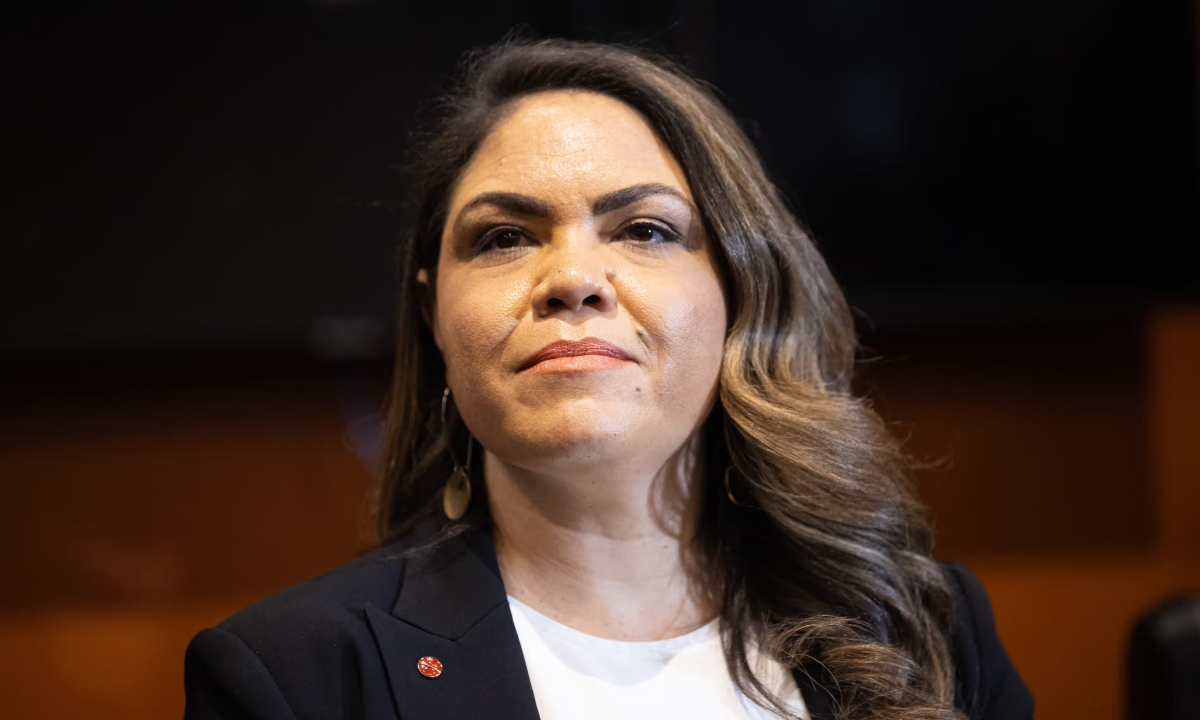
Fellow No campaigner, Opposition spokesperson for Indigenous affairs Jacinta Nampijinpa Price, has been highly critical of the government since taking office.
Senator Price told National Indigenous Times the country is more divided, and Indigenous people are worse off, 12 months on.
"The Labor government has used the last 12 months to do nothing to improve the lives of Indigenous Australians," Senator Price said.
"Anthony Albanese put all his eggs in one basket with the referendum, assuming the Voice would be a silver bullet; another bureaucracy he could handball Indigenous affairs to. Now that there is no Voice, it is clear that he has no ideas and has fallen completely asleep at the wheel."
She caller for audits and inquiries into land councils and Indigenous organisations - which some have labelled politically motivated - to "ensure they are being effective", as well as investigating how to support Traditional Owners who want to form breakaway land councils, as well as a Royal Commission into sexual abuse in Aboriginal communities.
"This will be a meaningful step towards improving the lives of traditional owners who want to use their land for economic development opportunities," the NT senator said.
Calls by the Opposition for a Royal Commission were criticised by leading Indigenous organisations as a stunt that ignored the answers already known.
While acknowledging sexual abuse in Indigenous communities is an "uncomfortable topic" and it was "not surprising" some didn't want to shine a light on it, Senator Price said if people were committed to the "best possible solutions", they should have "no objection".
"Keeping the details in the dark will do nothing to protect these vulnerable members of our society who need us to fight for their human rights to be upheld," she said.
A year on from the referendum defeat, many First Nations people acknowledge they are still grieving the result.
While the past 12 more months has seen political attacks and blame for the referendum defeat play out in the media and in parliament, the most vulnerable people in the country continue to suffer.
Earlier this year, the first Productivity Commission Closing the Gap report since the referendum revealed 14 of 19 metrics are not on target.
The Prime Minister earlier this year said governments needed to work more with Indigenous communities, in line with the recommendations of the Productivity Commission.
Ms Baldwin-Roberts feels it's "convenient" for the government to be "turning back to Aboriginal communities now and saying 'we want these things'."
"But…how do we take it from the rhetoric to the reality? What is actually going to change?" she said.
During the referendum campaign, Mr Scott argues, the county was having a "discussion" about the future. Since then, however, "We've fallen back into no change and doing the same thing again".
"Another generation of kids are going to suffer for that. I feel a personal pain for that," he said.
Asked about the previous year, he says it's been one of reflection, and looking at where things could have been done better, as well a need to start a "real campaign" of looking to the future about "when we launch this again".
"There are 6.2 million people who voted yes, that's not insignificant. I'm not giving up on it."



