



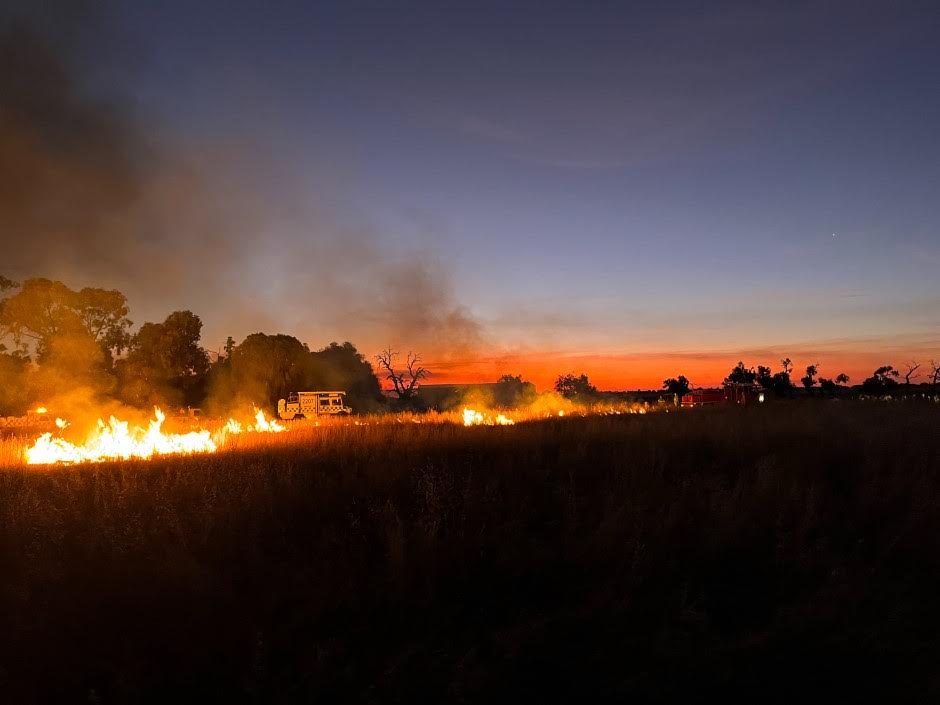
Cultural burning is a traditional Aboriginal land management practice using low-intensity, carefully timed fires to care for Country.
The method maintains healthy ecosystems, protects culturally significant sites, and reduces the risk of destructive bushfires.
Aboriginal people have been practising cultural burning for tens of thousands of years, adapting it to the unique conditions of different regions and ecosystems across the continent.
Unlike large-scale hazard reduction burns, cultural burning is localised and tailored to the needs of specific landscapes.
Practitioners read seasonal indicators such as plant flowering or animal movements to decide when and where to burn, ensuring minimal harm to vegetation and wildlife.
Burns are often carried out in mosaic patterns to create natural firebreaks and protect tree canopies.
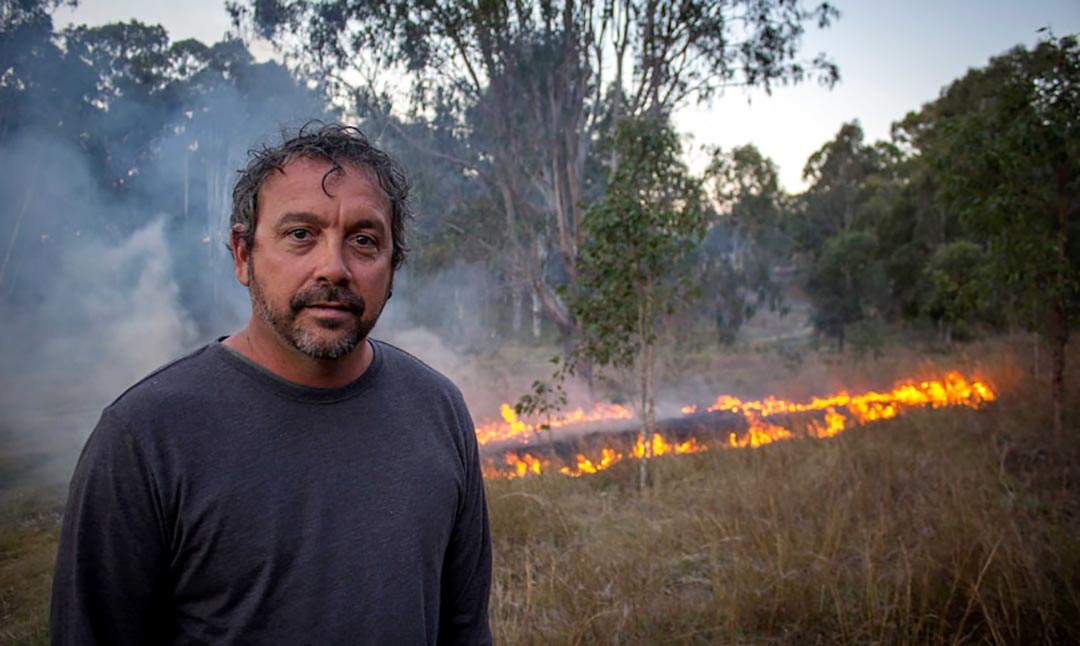
For many years Tagalaka man and co-founder of Firesticks Alliance, Victor Steffensen, has taught and applied cultural burning techniques across Australia.
He said the practice focuses on prevention rather than reaction.
"The way Western society works is really based on the aftermath of things and acting when it is too late," he said, via SBS.
"Whereas, all the work that I do is in the prevention of that.
"It's really about putting fires in not just to save your house, but to save the bushlands, look after the environment and above all, teach the people what they should know about the country in terms of understanding fire properly."
Following colonisation these practices were suppressed, and fire management shifted to Western methods.
In recent decades, Traditional Owners, Indigenous ranger groups, and organisations such as the Firesticks Alliance have been leading a revival.
Dja Dja Wurrung Group Chief Executive Officer Rodney Carter emphasised the significance of cultural fire as a fundamental practice employed by the community to nurture and protect their ancestral lands.
"This funding through the Cultural Fire Grants program is truly momentous for DJAARA. It is enabling us to significantly build our capacity to heal Country with fire," Mr Carter said.
"Our project - Djandak Wi: Returning Cultural Fire to Country - is taking Dja Dja Wurrung Cultural fire leadership to the next level and, in the process, supporting Traditional Owner self-determination in fire across the state.
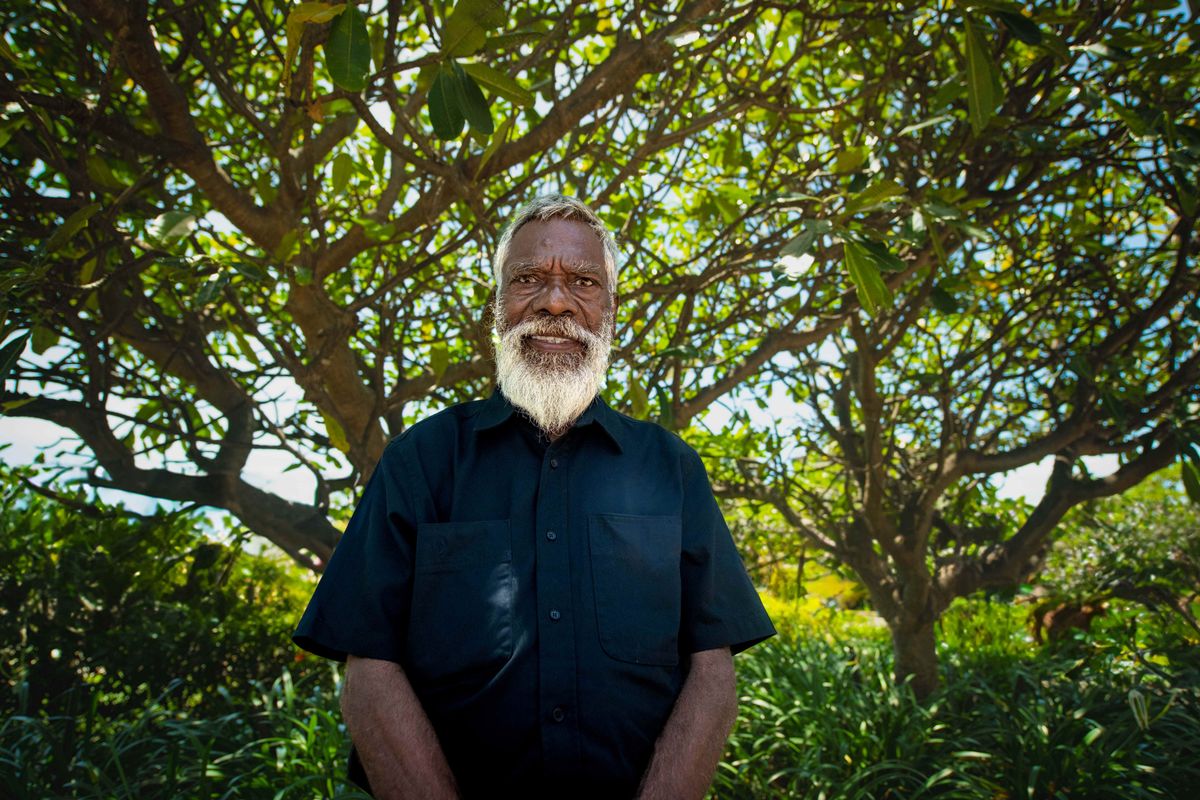
Djinkarr man Dr Dean Munuggullumurr Yibarbuk has been recognised for his lifelong dedication to land conservation and management in west Arnhem Land and beyond.
He has worked for more than 30 years with Indigenous ranger groups, researchers, and organisations at national and international levels, integrating scientific knowledge with traditional burning techniques.
Dr Yibarbuk's work has influenced government policy and contributed to the development of the world's first savanna burning methodology.
"My journey started over 30 years ago, walking alongside and sharing knowledge with some of Australia's first Aboriginal rangers," he said.
"A lot of work, time and energy has been put into these ranger groups as well as research, and I can say I am proud of the journey we have all been on.
"Receiving this on Country offers an opportunity for my community to witness my footprints and to encourage more people to find ways for economic growth through traditional methods of land management and care."
Studies show Indigenous-led fire management reduces greenhouse gas emissions, restores biodiversity, and can cut the severity of late-season fires by up to half.
In northern Australia, savanna burning projects have generated significant carbon credits while supporting jobs and skills in remote communities.
Cultural burning remains more than a fire management technique.
It is part of an ongoing relationship between people and Country, grounded in respect, observation, and knowledge passed down over generations.
As it is reintroduced more widely, it offers a pathway to healthier landscapes, safer communities, and stronger cultural connections.



