



Yarrabah's new $2.3 million cancer care program is set to provide culturally safe support for Aboriginal and Torres Strait Islander patients and families, with the community-controlled initiative aiming to ease the burden of treatment and improve outcomes.
Gurriny Yealamucka Health Service, based in the Far North Queensland community east of Cairns, has launched the Cancer Care Program within its Public Health unit after securing $2.3 million over three years through the National Aboriginal Community Controlled Health Organisation.
The program has been designed to support community members through every stage of the cancer journey, from diagnosis through to treatment, recovery and palliative care.
Gurriny director of clinical services, Dr Jason King, told the Cairns Post the service was built around practical, emotional and cultural support.
"The Cancer Care Program is really about providing support for people living with cancer, cancer survivors, newly diagnosed patients, and those who may be on a palliative pathway," Dr King said.
The model reflects the importance of family and community in Aboriginal and Torres Strait Islander health care, rather than focusing only on the individual patient.
"We're not just looking after individuals - we're looking after families, because the family is really the unit of care in a place like Yarrabah," Dr King said.
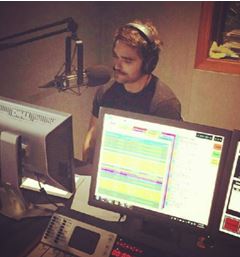
Involved in the new program are Cancer Care Program coordinator Patrick Sinha, Health Promotion Officer Harley Thaiday, and Cancer Care Support Officers Chanten Lefoe and Chantell Thomas.
According to the Cairns Post, support officers will help patients and families organise appointments, arrange transport and stay connected to specialist services in Cairns, Townsville and Brisbane.
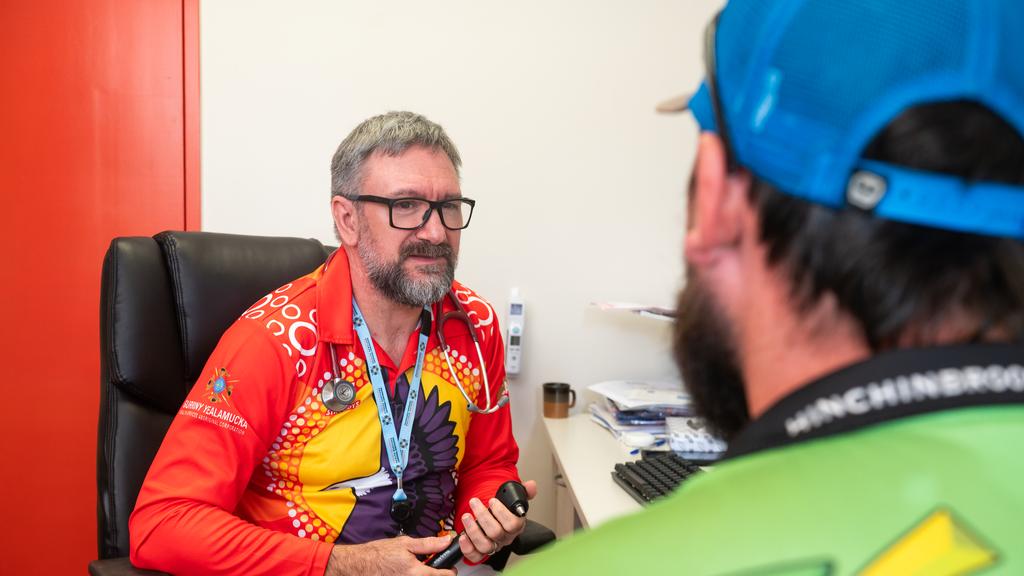
That work is expected to be particularly important in Yarrabah, where transport remains a major challenge despite the community being less than an hour from Cairns.
"Transport is a massive challenge," Dr King said.
"Even though Yarrabah is only about 45 minutes from Cairns, people still need reliable access to get to appointments."
Alongside helping people already living with cancer, the program also has a prevention focus.
Gurriny Yealamucka says it will use yarning circles, local education and culturally grounded approaches to encourage screening and early detection.
In a statement announcing the initiative, Gurriny Yealamucka said the program was about making sure community members and families felt supported and informed throughout what can be a difficult time.
"From helping community members get to appointments, understand their care and stay connected to services... to supporting families during what can be a challenging time - this program is about making sure no one has to walk that journey alone," Gurriny Yealamucka's said.
The health service said the initiative would also help "shift the conversation" around cancer in the community, encouraging people to seek screening and support earlier.
"We are here to walk beside you, with care, culture and compassion," program coordinator Patrick Sinha said.
Dr King said trust and cultural safety were central to better health outcomes, with the program building on Gurriny's Aboriginal community-controlled model.
"Trust is the first and most important ingredient in health care," he said.



