


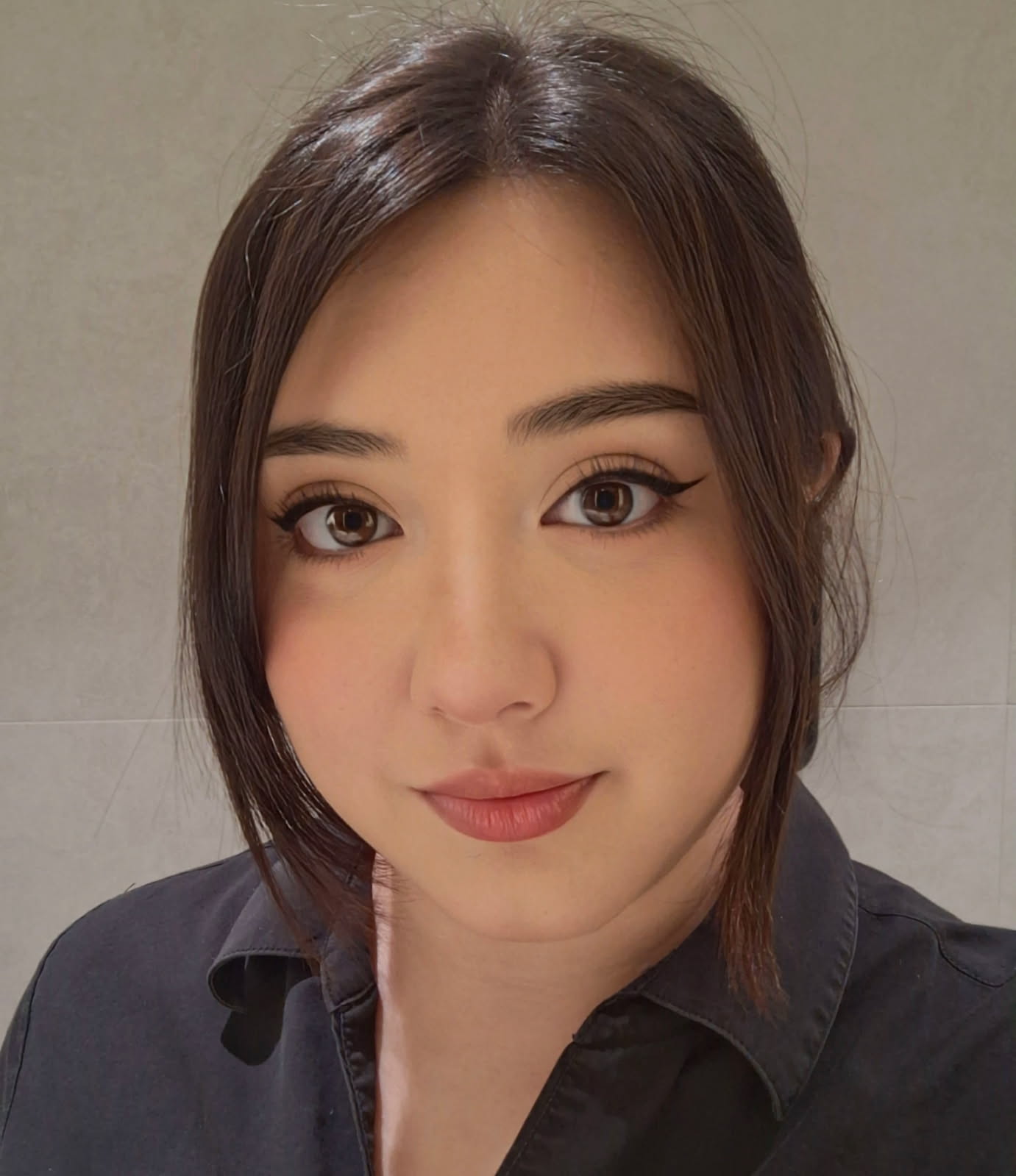

Dunghutti activist and Blak Caucus organiser Paul Silva says New South Wales' anti-protest laws are being used to silence criticism against the Government and corrective services, after restrictions were extended to block a rally marking 10 years since the death of his uncle, David Dungay Jr.
The newly introduced Terrorism and Other Legislation Amendment Bill 2025 allow restrictions on "public assembly" for up to 90 days after a terrorism incident. Under the bill, police are able to restrict authorised protests for up to three months.
"Once a declaration is made, no public assemblies can be authorised in designated areas, including by a court and police will be able to move people on if their behaviour or presence obstructs traffic or causes fear, harassment or intimidation," the NSW government said in a statement.
Last week, NSW Police Commissioner Mal Lanyon made an additional announcement saying protest restrictions will be extended another 14 days, citing the decision was made to "prevent further division".
However, Mr Silva's rally against Indigenous deaths in custody, set to take place at Hyde Park on January 18, was the only protest affected by the extension.
"The rally on January 18 is to mark 10 years since the death of David Dungay Jr, with no justice or accountability, but to also demand a corruption inquiry into coronial processes and the way that police would investigate Aboriginal deaths in custody," Mr Silva said.
"It's also about making a stand against the large influx of deaths in custody, in New South Wales in 2025...it's to stand with all the families that have lost a loved one at the hands of the system."
Mr Silva said the move has exposed the government and police for attempting to suppress protests that scrutinise their conduct, particularly those calling for accountability over Indigenous deaths in custody.
"It's quite disgusting that they would implement it, but then, I will say that it does expose it for what it really is, he said.
"It exposes the New South Wales Police and the New South Wales government for their systematic failures, and scrutinises police for their brutalisation and their responsibility for them in custody."
Mr Silva says the rally will still go on despite the restrictions, believing it is necessary to continue the First Nations people's ongoing fight against injustice.
"For us as First Nations people, we've been standing up against this government system, and the people that fall under it for 238 years now," he said.
"We must continue the resistance of our ancestors and of our elderly people today.
"We must take into account that the Australian Government and the Australian system and all the authorities that work underneath it, are - when it comes to First Nations people - somewhat working unlawfully, and that they haven't consulted First Nations people to be on many lands right across what people see as Australia."
View this post on Instagram
When asked whether he's concerned about the impact of these new laws on January 26 rallies, Mr Silva was firm in his stance - believing the growing support behind Invasion Day protests would continue regardless of restrictions.
"As one of the main organisers and a participant on the Black Caucus, we're not really concerned in relation to the laws being extended over January 26 because, at the end of the day, it's a protest that gains numbers every single year."
"We would be expecting New South Wales Police and the government, even if they extend those laws, to actually relax them on the 26th of January for the marches, protests and day of mourning, because of its significance for First Nations people.
"If we do see the government and New South Wales police call for an extension over January 26, I will say right now - personally and on behalf of our group, and on behalf of many First Nations people out there - that it will expose the government and the New South Wales Police even further about what they are trying to do in silencing First Nation voices and issues here in Australia."
Addressing the issue on a broader note, activists and advocates alike believe these anti-protest laws will impede democracy in Australia.
"The right to protest is a cornerstone of a functioning democracy. Aboriginal deaths in custody and the incarceration of Aboriginal people are at record highs, both in NSW and nationally," ALS Principal Legal Officer Nadine Miles said last week.
"This is a time of crisis for the communities we serve. It is a time to come together and unite for change, not to risk silencing the voices of Aboriginal people."
Additionally, groups such as the Blak Caucus, the Palestine Action Group (PAG) and Jews Against the Occupation '48 have already filed a challenge in the NSW Supreme Court last Wednesday - arguing the laws were invalid because they "impermissibly burden the implied constitutional freedom of communication on government and political matters".
Similarly, Mr Silva believes the anti-protest laws pose a serious threat not only to First Nations people, but to non-Indigenous Australians as well.
"They've got laws in their arsenal that can impede on mainstream society, on what they know in relation to how the government's treating not only First Nations, but many other people on these lands as well," he said.
"Where we live, we think we have freedom of speech. I really think that we need to obviously rethink that under the system that we live under, because at the end of the day, Aboriginal people have seen what the system is about for 238 years now.
"The first form of human beings is trying to silence people within society, First Nations people have witnessed many, many years ago now. And quite unfortunately, mainstream society is now getting a taste of it.
"To all people within society, as an advocate for almost over a decade now, it's important to get out there and express the issues that we face...But I think as First Nations people, we have the obligation to continue the resistance as we have for 238 years."
More information about the January 18 rally is available through the Blak Caucus' Instagram page.



