


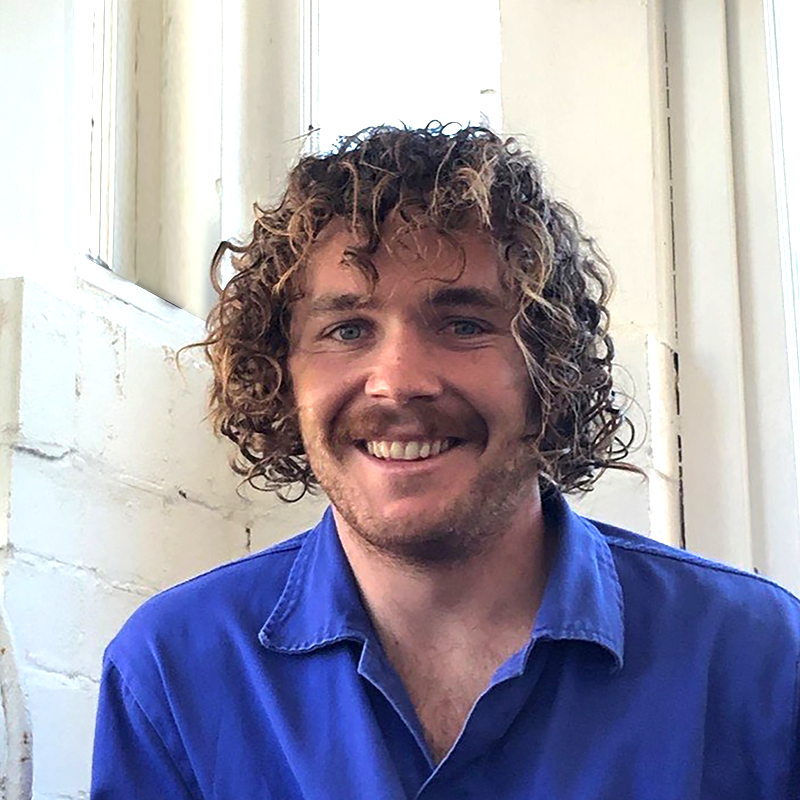

First Peoples Disability Network chief executive and Worimi man, Damian Griffis, believes the Voice could bring real positive change for Australians battling against 'double disadvantage'.
Speaking at FPDN's Have Your Say Narrm gathering space discussion on Monday, Mr Griffis said while he doesn't disagree with elements of cases put forward for voting no, the Voice presents an opportunity for First Nations people living with disability - and the nation more broadly.
FPDN is advocating for a successful referendum.
On Wednesday, the organisation launched an 'easy read' version of the Uluru Statement from the Heart with pictures for people with intellectual disabilities.
Mr Griffis said he had been involved in the Calma-Langton Voice co-design report process.
Within it, a permanent advisory group Aboriginal and Torres Strait Islander people with disability, separate from membership, under the National Voice is identified.
Its functions are outlined as raising perspectives on points relevant, determining issues affecting Aboriginal and Torres Strait Islander people with disability, and engaging with stakeholders.
Ms Griffis told National Indigenous Times he wished more people knew this body was a "constant" through developing the report.
His expectation would be it that it is seen through within an enshrined Voice.
"It not only shows a natural way of being inclusive, but it can show the rest of Australia how you build a governance structure that includes people with disability," he said.
Mr Griffis said a Voice to Parliament is "critical" to properly addressing current needs, quoting the late Uncle Lester Bostock, founding elder of FPDN as describing the barriers faced as "double disadvantage".
"Being an Aboriginal person living with disability often you experience discrimination based on ableism and racism," Mr Griffis said.
"Having a mechanism where those voices can be heard is absolutely critical to be able to address some of the needs of people in those communities."
He said disability, at least as a term, is a colonial concept.
"The idea of living in an inclusive society is a natural one for Aboriginal people. That's why we say we have a gift to give the rest of Australia," he said.
Mr Griffis said the number of Indigenous people incarcerated living with a disability - subject to a third level of disadvantage - would be a shock to many.
He added Indigenous children living with disability "aren't getting meaningful support, at all", with all evidence pointing to better life trajectory the earlier that support is offered.
FPDN board member and Worimi woman, Kay Sadler, said the Voice to Parliament would act as a watchdog to keep the existing framework pertinent to First Nations affairs accountable for their delivery.
September 13 is the disability sector's national day of solidarity on the Voice.



