



The Deadly Cup has again demonstrated the power of combining sport, culture and health after more than 2,000 people attended last weekend's rugby league carnival in Darwin.
About 200 young players competed at Richardson Park during the NAIDOC Week event, representing either the Indigenous All-Stars or Territory All-Stars across five age divisions.
While the carnival showcased some of the Northern Territory's best emerging rugby league talent, event organisers believe its impact extended well beyond the results on the field.
Deadly Cup founder Shaun Tatipata told National Indigenous Times the standard of football highlighted the quality of young players across the Territory.
"The footy was outstanding," Tatipata said. "We've always known there's plenty of talent here in the Territory, and the Deadly Cup continues to prove that.
"Across every division we saw young people playing with skill, pride and plenty of heart.
"What impressed me most wasn't just the individual talent, it was the way the players represented themselves, their families and their communities.
"They played hard, they respected each other and they embraced what the carnival is all about."
The Indigenous All-Stars won four of the five matches played during the carnival.
They recorded victories in the U14 boys, U15 girls, U17 girls and U18 boys matches, while the Territory All-Stars claimed the U16 boys contest.
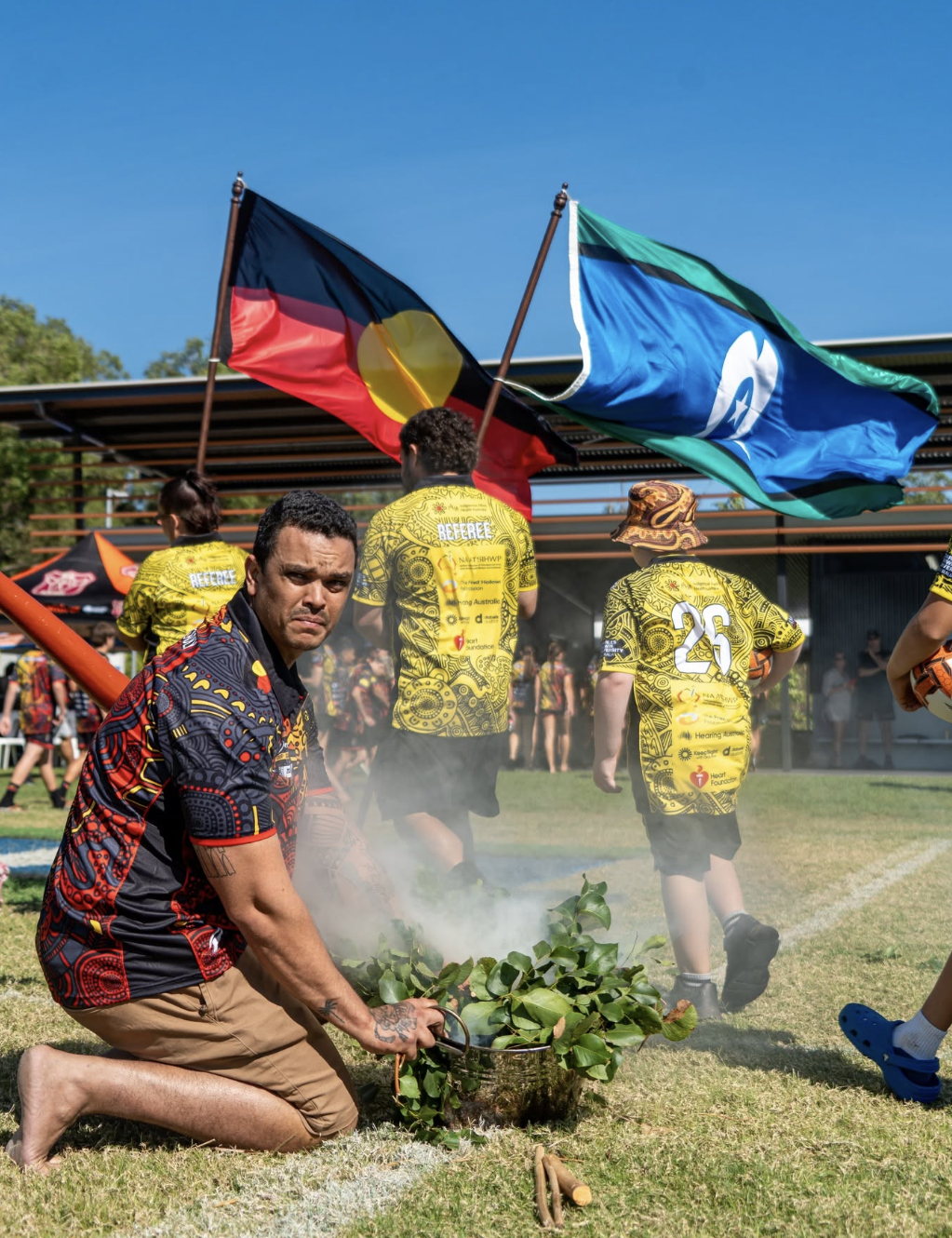
The event began with a smoking ceremony conducted by Shannon Lee and Willy Hewitt, followed by a Welcome to Country delivered by Ronald "Barney" Quall.
The return to Richardson Park also carried special meaning because of the venue's long connection to rugby league in the Top End.
"This year we brought the carnival back to Richardson Park, a place with so much history for Aboriginal rugby league in the Territory, and community really embraced that decision," Tatipata said.
"It felt like coming home.
"Everywhere you looked there were families catching up, Elders sharing stories, kids running around with smiles on their faces, organisations working together and young people proudly representing their mob."
The Deadly Health Expo remained an important part of the carnival, with 21 organisations providing information, activities and support to those attending.
More than 220 people completed the Deadly Health Walkabout, while the program also featured cultural activities, free haircuts for children and Elders, and the Deadly Cook Up.
Tatipata said the carnival created a welcoming environment in which organisations could engage directly with community.
"For me though, the real highlight wasn't a single activity," he said.
"It was seeing thousands of people come together in a positive space where our young people felt proud, families reconnected and organisations stood alongside community rather than simply providing services.
"That's what the Deadly Cup has always been about - rugby league brings everyone together, but it's what happens around the football that creates the lasting impact."



