



The National Film and Sound Archive have restored the powerful 1996 documentary, The Coolbaroo Club.
Directed by acclaimed Tasmanian filmmaker Roger Scholes, the documentary follows the fortunes of the only Indigenous-run dance club in Perth between 1946 to 1960.
During this time Boorloo (Perth) and the Indigenous population were regularly subjected to curfews, police harassment and bureaucratic obstruction.
The film brings to light stories from those who were involved in the establishment of the club and what it meant to Indigenous people from all over the area.
The Coolbaroo Club's dance nights attracted Black musicians, performers and celebrities from all over the world who were barred from performing in other venues.
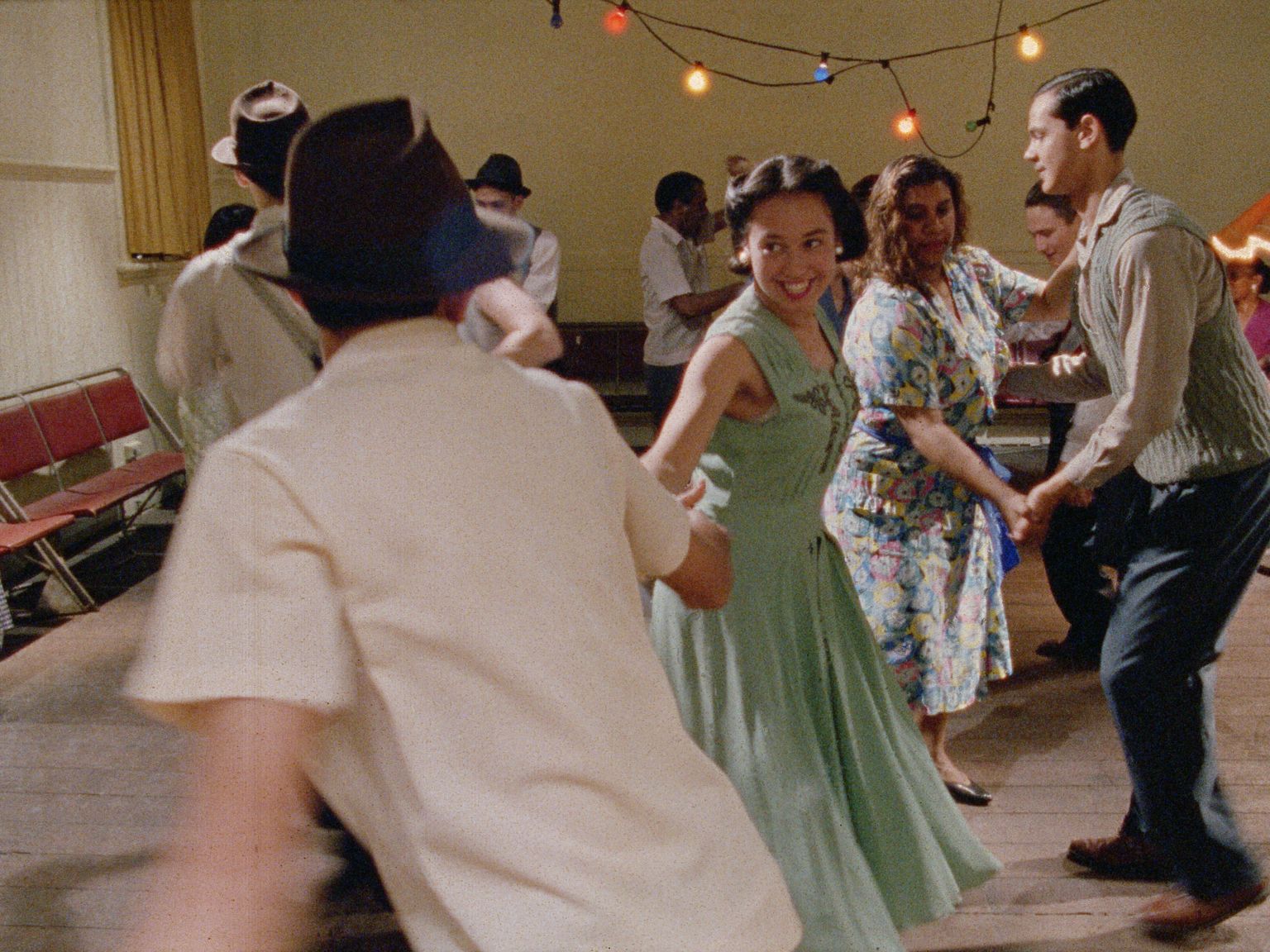
Some of their star studded guests included Nat 'King' Cole, Harold Blair and the Harlem Globetrotters.
Besides dancing the night away the club's organisers also went on to establish The Coolbaroo League, a newspaper, which became a political organisation advocating for Aboriginal and Torres Strait Islander issues.
Now after 26 years since the documentary was first released, audiences will get the chance to watch the documentary at a special Melbourne International Film Festival screening on Saturday 19 August.
Writer and academic Steve Kinnane, a Marda Marda man from Mirrawoong Country in the East Kimberley, co-wrote and co-produced The Coolbaroo Club.
The documentary's 1996 premiere provoked a strong response from the critics of the day.
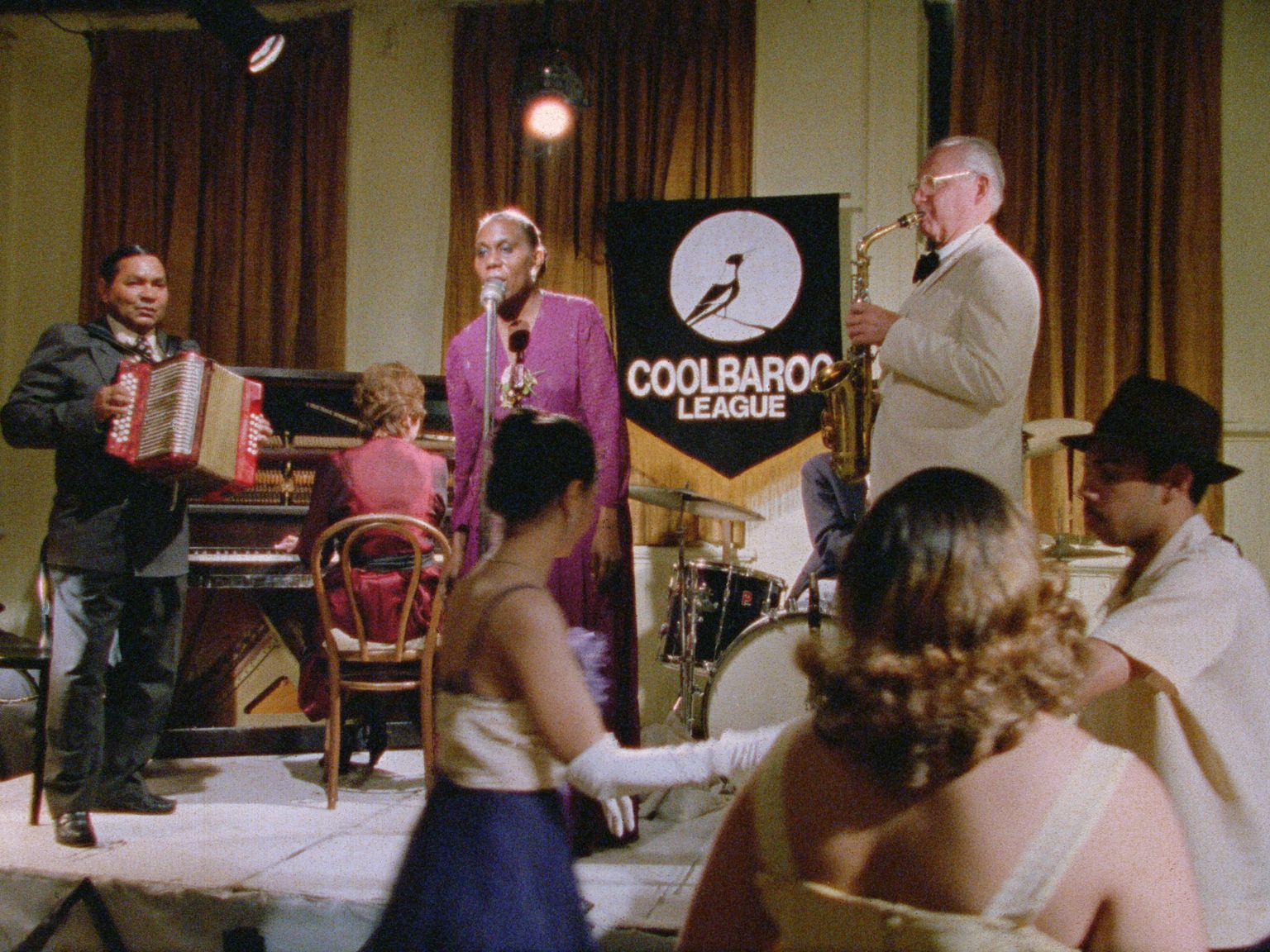
Writing in the Sydney Morning Herald, writer Robert Drewe called it "more shaming than a hundred news stories," and suggested "it lifts the lid on postwar relations in this country".
'We're extremely excited that we've been able to preserve and restore this powerful and revealing documentary and bring it to audiences at the Melbourne International Film Festival," NFSA's chief curator Gayle Lake said.
"The work of an archive is as much about the past as it is about the future. The NFSA is in a unique position to use 21st-century technology to reflect and contextualise our history.
"With this restoration, I hope that audiences in 2023 can acknowledge the resilience and strength of the Noongar community during a painful era in West Australian history."
The film will also be available to stream via MIFF Play.



