




National action is needed after the latest deaths in custody figures, experts say, arguing federal inaction is no longer tenable.
The comments come after the national deaths in custody report from the Australian Institute of Criminology (AIC), released on Wednesday, recorded 113 deaths in custody in 2024-2025, including 33 First Nations people.
It is the highest number of Aboriginal and Torres Strait Islander deaths in custody since the monitoring program began in 1979-1980. Since the 1991 Royal Commission into Aboriginal Deaths in Custody, at least 617 Aboriginal and Torres Strait Islander people have died in custody, according to the AIC real-time dashboard.
In 2024-25, there were 26 Indigenous deaths in prison custody — up from 18 the previous year — and six in police custody. The proportion of Indigenous deaths in prison custody in 2024-25 exceeds the long-term average of 19 per cent for the third consecutive year.
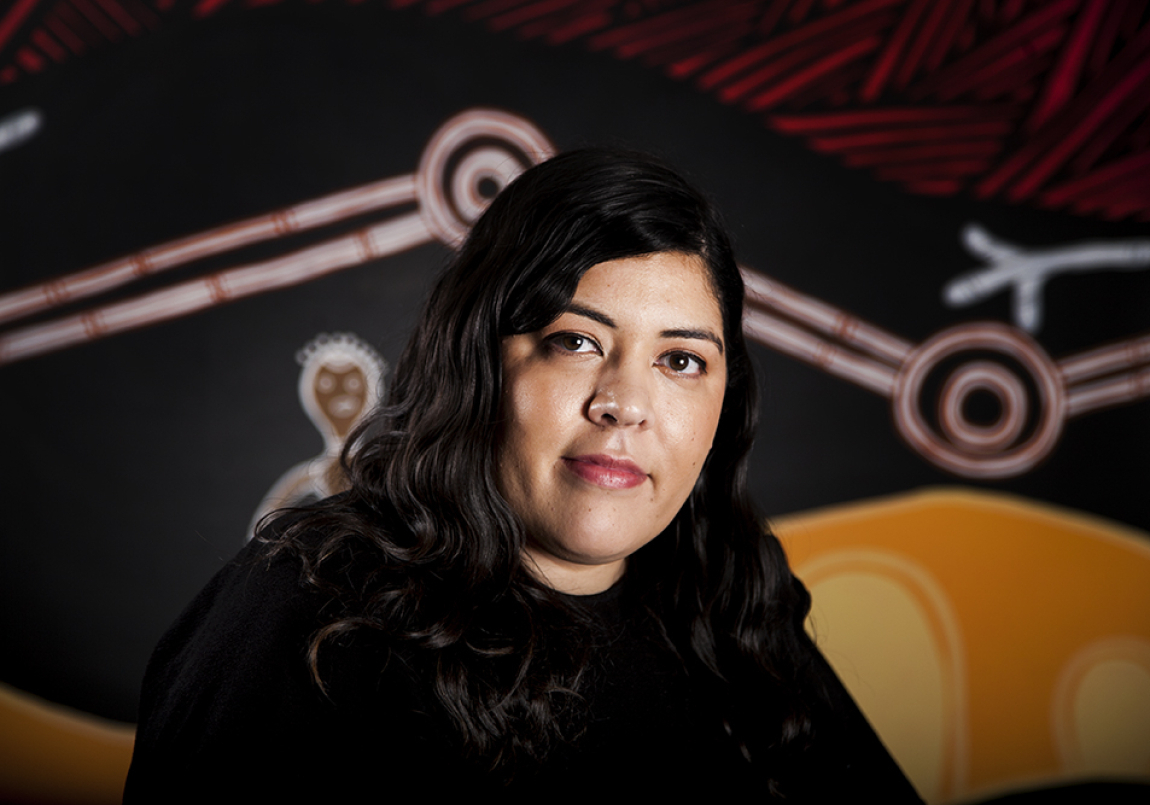
"Every single one of these people has a name, a story, people who loved them," said Nerita Waight, acting Chair of the National Aboriginal and Torres Strait Islander Legal Services (NATSILS).
She said more Indigenous people are imprisoned across Australia than ever before, with governments pursuing incarceration-driven policies "all in the name of political point-scoring".
"Our people are paying the price with their lives," said Ms Waight, who is also CEO of the Victorian Aboriginal Legal Service.
"These politicians know their policies are not only costing lives; they're making people less safe. When someone spends even a small time behind bars, it increases their chance of becoming trapped in an ongoing cycle of crime, imprisonment and trauma, which only harms our communities."
In the Northern Territory, incarceration rates have surged since the CLP won office last year on a community-safety platform. Corrections data shows the average prison population has risen by 15 per cent over the past year.
More than one per cent of Territorians are now behind bars on any given day, and almost 90 per cent of all NT detainees are Aboriginal.
In New South Wales, the Indigenous prison population has increased by 18.9 per cent over five years, according to NSW Bureau of Crime Statistics and Research data, while the number of non-Indigenous prisoners has fallen by 12.5 per cent.
The state — which this year recorded the highest number of Indigenous deaths in custody in its history — had 4,386 Indigenous adults in custody as of June, roughly one-third of all prisoners.
"These are not mere statistics. Each of these deaths represents a person whose life mattered and whose loss is felt deeply by families, loved ones and communities across the state," State Coroner Teresa O'Sullivan said in October of the 12 Aboriginal and Torres Strait Islander people had died in NSW custody so far this year.
"They are individuals whose deaths demand independent and careful scrutiny, respect and accountability."
Ms Waight said many recommendations of the Royal Commission remain unimplemented, including the removal of ligature points in prisons. She noted that 34 years on, 75 per cent of First Nations people who were unsentenced and died in custody last year "passed away due to hanging and related complications".
"There is no excuse for this."
Speaking on ABC Breakfast on Thursday, independent Senator Lidia Thorpe said there is no oversight of the 339 Royal Commission recommendations.
"There's no appetite at the federal level to do anything about it", Senator Thorpe said, accusing governments of "handballing" responsibility to the states and territories and warning that new laws across the country would drive deaths even higher.
Echoing Ms Waight, she said governments use First Nations people "to help score political points" by pursuing "so-called tough-on-crime policies".
"The stats will only rise and families and communities are grieving every day the loss of a loved one at the hands of this really racist system because the target is on our heads — so to speak — and we need action," she said.
This week, Jade Lane, CEO of Change the Record, said governments were embracing "punitive and discriminatory 'tough on crime' lawmaking that targets children" while shutting down scrutiny, citing the NT's refusal to admit UN inspectors to its prisons.
"This pattern is entrenched, racialised, and escalating," she said.
View this post on Instagram
Ms Waight agreed, saying governments must stop passing laws that contradict Closing the Gap commitments and those of the Royal Commission, including reducing Indigenous over-representation in police cells, courts and prisons.
Instead, she said, governments need to "work in partnership with Aboriginal communities to implement evidence-based, community-led solutions that prevent our people from entering the criminal legal system in the first place".
Senator Thorpe said the Prime Minister needs "to come out and take this seriously".
"The federal government has the power, the constitutional power, to take action; and that's what we're demanding," she said.
In October, Minister for Indigenous Australians Malarndirri McCarthy flagged potential financial penalties for states and territories that fail to make progress on Closing the Gap targets. She told Senate Estimates that stronger accountability mechanisms were necessary, acknowledging there is currently "no penalty in the agreement".
Some states and territories — particularly Queensland and the Northern Territory — have openly dismissed aspects of the agreement when they conflict with political priorities. The NT Government said earlier this year that Closing the Gap "could not come at the expense of community safety".



