




The highest number of Indigenous deaths in custody ever recorded by one state in a single year has been described as a "profoundly distressing milestone" in a rare public statement from the State Coroner.
In an open letter, State Coroner Teresa O'Sullivan said 12 Aboriginal and Torres Strait Islander people had died in NSW custody so far this year. Another four have died during police operations.
"These are not mere statistics. Each of these deaths represents a person whose life mattered and whose loss is felt deeply by families, loved ones and communities across the state," she said.
"They are individuals whose deaths demand independent and careful scrutiny, respect and accountability."
Her comments come amid growing concern over tougher bail laws in NSW, which have led to a surge in the number of First Nations people behind bars. According to the NSW Bureau of Crime Statistics and Research (BOCSAR), 4,386 Indigenous adults were in custody as of June — roughly one-third of the state's total prison population.
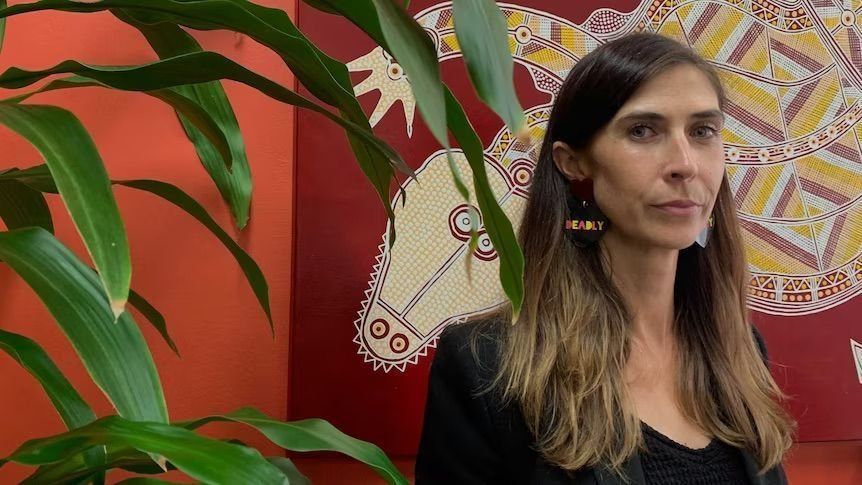
Aboriginal Legal Service NSW/ACT chief executive Karly Warner called the record number of deaths in custody a "horrifying record," blaming the NSW Government and its "punitive laws and policing practices".
"This is a crisis and a preventable tragedy that should deeply alarm everyone in NSW. A prison sentence should not be a death sentence," she said.
"Every one of these people had a name, a story, a family. They were loved and their families and communities will carry the scars of their loss."
Ms Warner added the NSW Government's current policies are "driving more Aboriginal women, children and men into prison than ever before through punitive laws and policing practices".
She said prisons remain dangerous places and noted that the ALS has represented families of inmates who died from preventable causes, including medical conditions and hanging points that should have been removed "long ago".
"We have solutions to reduce deaths in custody, but too many are sitting on the shelf, gathering dust. We call on the Government to stop passing laws which contradict its obligations to reduce Aboriginal over-representation in police cells, courts and prisons, and instead work in partnership with Aboriginal communities to implement evidence-based, community-led solutions to reduce imprisonment," Ms Warner said.
"We also call on the Government to ensure independent investigations of all deaths in police operations."
Magistrate O'Sullivan said the number of Indigenous people in NSW custody has increased by 18.9 per cent over the past five years, while the number of non-Indigenous prisoners has fallen by 12.5 per cent, according to BOCSAR data.
"These figures reflect the entrenched over-representation of First Nations peoples in the criminal justice system — a systemic issue that compounds the risks and vulnerabilities contributing to the rising number of deaths in custody," she said.
She added that nearly half of Aboriginal people in custody are on remand, with remand numbers increasing by 63 per cent in the same five-year period.
In response, Ms Warner said: "Despite committing to reduce the mass incarceration of Aboriginal people under the National Agreement on Closing the Gap, the NSW Government continues to double down on laws and policing which guarantee increased imprisonment — instead of preventing people from entering prison in the first place by meeting their needs and investing in vital community-based supports."
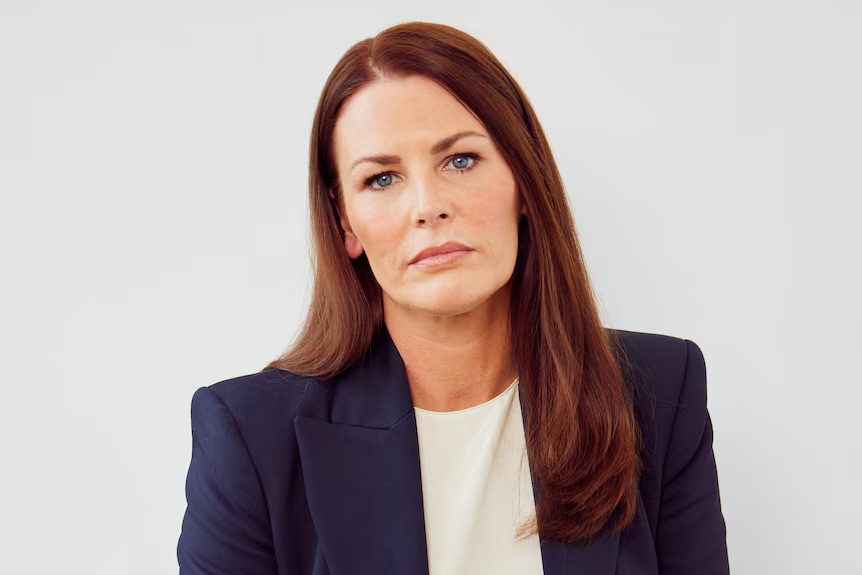
Speaking to National Indigenous Times, Dharug woman and social justice lawyer Karen Iles said while the figures were shocking, many Indigenous people "wouldn't be surprised that this has occurred".
"Many Aboriginal and Torres Strait Islander people have been warning governments that these types of policies may increase the risk and vulnerability for First Nations people when they come into contact with the justice system. So, I think sadly, many will not be surprised," she said.
"However, that doesn't make it okay."
Ms Iles pointed to the 339 recommendations made in the 1991 Royal Commission into Aboriginal Deaths in Custody. Since then, at least 609 First Nations people have died in custody.
"This should be a national outrage," she said, urging governments to revisit the Royal Commission's findings and "start implementing reforms urgently".
"There's just no need or justification for this to be happening."
Ms Warner also raised concerns about the United Nations Subcommittee on the Prevention of Torture being blocked from accessing NSW prisons in 2022, noting that it is expected to visit again in December.
"It would be an international embarrassment if the NSW Government again failed to allow the UN access to places of deprivation of liberty," she said.
In identical statements to the ABC, Attorney-General Michael Daley and Corrections Minister Anoulack Chanthivong said: "Each one of these deaths is a tragedy, and the government takes this issue seriously. We are working to reduce all preventable deaths in custody, including by improving design and safety across correctional centres and have invested $16 million to make our prisons safer by removing ligature points."
With AAP



