




WA MP Jess Beckerling has used a speech to parliament to contrast the treatment of Jody Gore and Scott Austic.
On Tuesday night the Greens MLC addressed the Legislative Council, drawing a line between how Mr Austic, a white Western Australian man, received a substantial ex-gratia payment from the State Government for the years he spent in prison, while Ms Gore, a Jaru/Gidja woman from the East Kimberley, received nothing after her homicide sentence was cancelled.
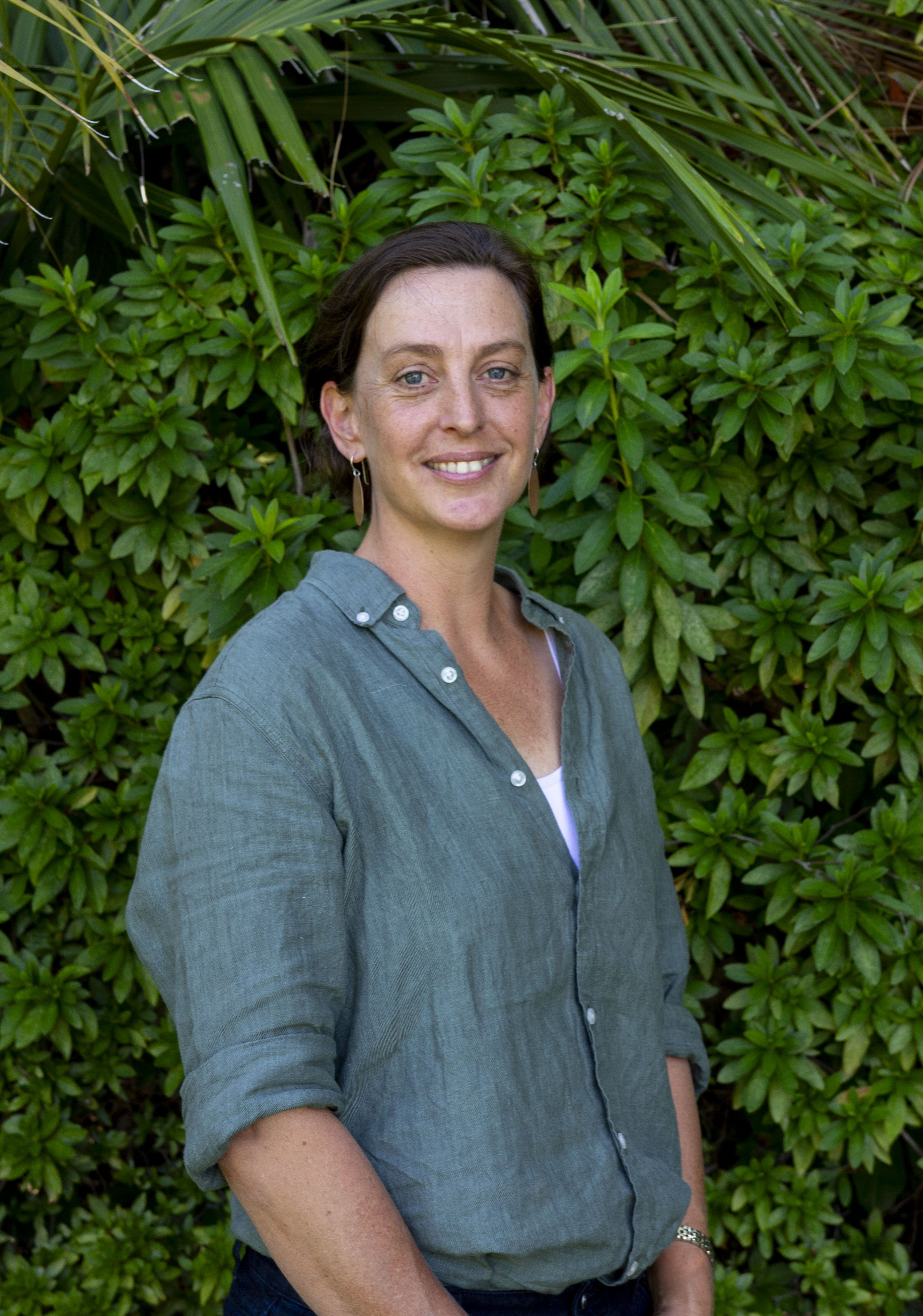
Noongar woman Stacey Thorne was 34 when she was found murdered in her Boddington home in 2007. An education assistant pregnant with her first child, she had been looking forward to becoming a mother.
Police quickly focused on one suspect, Scott Austic, the father of her unborn baby.
He was charged and later convicted of murder, in a case that drew significant public attention.
The prosecution relied on alleged motive and a series of forensic exhibits.
In 2020, Mr Austic's conviction was overturned after a Supreme Court jury found key evidence from the first trial had been planted.
Two Corruption and Crime Commission inquiries — in 2013 and again in 2023 — examined aspects of the case, with neither making findings of misconduct.
The 2013 CCC report was not released publicly until after Austic's acquittal, despite sustained media interest and criticism from the Thorne family about how Stacey had been portrayed.
In 2023, the government announced a $1 million reward for new information.
No new leads followed.
Today, more than 17 years after her death, Stacey Thorne's family say they have seen no progress toward accountability.
Despite Mr Austic's acquittal, no new murder investigation has begun. Her relatives fear it never will.
Austic will now receive an ex-gratia payment of $1.35 million for the 12 years he spent in jail.
Ms Beckerling told Parliament that Ms Thorne's family had been delivered no justice.
"Despite Austic being acquitted, a new murder investigation has not commenced. And they suspect it never will, because there was only ever one suspect in this case," she said.
The case of Jody Gore
Ms Gore was convicted in 2015 of murdering her former partner in Kununurra.
The court heard the pair had been in a relationship for about 20 years, during which Ms Gore experienced ongoing physical abuse.
A jury rejected her claim of self-defence and she was sentenced to 12 years in prison.
Justice Lindy Jenkins noted high rates of alcohol-related violence in the Kimberley when delivering the sentence.
Gore served four years at Bandyup Women's Prison. She was receiving dialysis at the time and was subject to regular strip searches associated with that medical treatment.
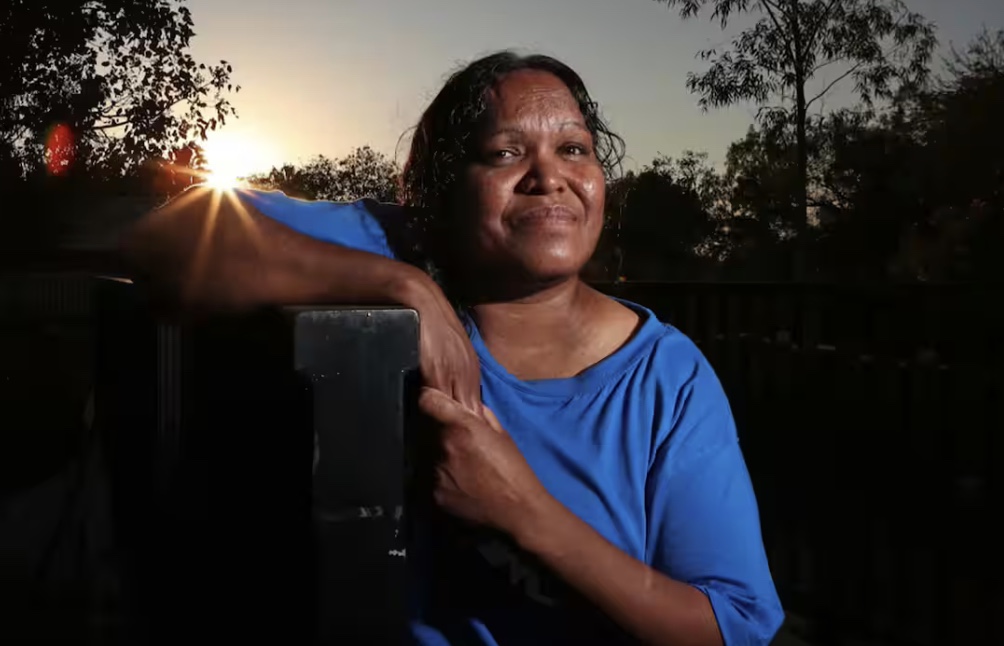
In 2019, after a public campaign and a series of newspaper reports, the WA Government exercised its mercy powers and cancelled the remaining eight years of her sentence.
Following her release, the government introduced legislative changes allowing courts to hear expert evidence on family and domestic violence and how it may influence a defendant's actions.
Ms Gore's conviction was not overturned and remains on her record. She did not receive compensation for the time she spent in custody.
Ms Beckerling said that despite the reforms prompted by Gore's case, Aboriginal women continue to be charged and convicted in circumstances shaped by family and domestic violence.
She urged members of the Legislative Council to read more about the issue in the work of Indigenous legal and human rights expert Dr Hannah McGlade and her team, who have been examining seven West Australian cases involving missing, murdered and incarcerated Aboriginal women.
The cases are being taken to the UN Committee on the Elimination of Discrimination against Women as part of the Seven Sisters project, supported by research from ANROWS.



