



Proud Dharawal and Wiradjuri woman Dr Tatum Maybir has helped create a powerful family legacy in medicine, with two of her sons graduating as doctors last year and her daughter now beginning her own medical studies.
The family's achievement comes as Aboriginal and Torres Strait Islander doctors remain significantly under-represented across Australia.
According to the Australian Health Practitioner Regulation Agency's Medical Board of Australia registrant data, there were 969 medical practitioners who identified as First Nations as of December 31, 2025.
Aboriginal and Torres Strait Islander medical practitioners make up 0.6 per cent of all registered medical practitioners in Australia.
Dr Maybir said the family's journey showed the impact education could have across generations.
"What began as a dream for our family has become an extraordinary and humbling reality," she said.
"Education has the power to change not just one life, but an entire family's trajectory. Watching that unfold across generations has been incredibly moving.
"One of the proudest moments of my life has been watching my two sons follow in my footsteps and graduate as doctors. Seeing them emerge as strong, capable Indigenous doctors is an honour that is difficult to put into words.
"Knowing that my daughter's dream of becoming an Indigenous doctor is within reach fills me with immense pride and hope for the future."
Dr Maybir was the first in her family to pursue higher education and said university had once felt out of reach.
"Before me, no one in my family had walked that path, and for a long time, it didn't even feel like a world that was accessible to me."
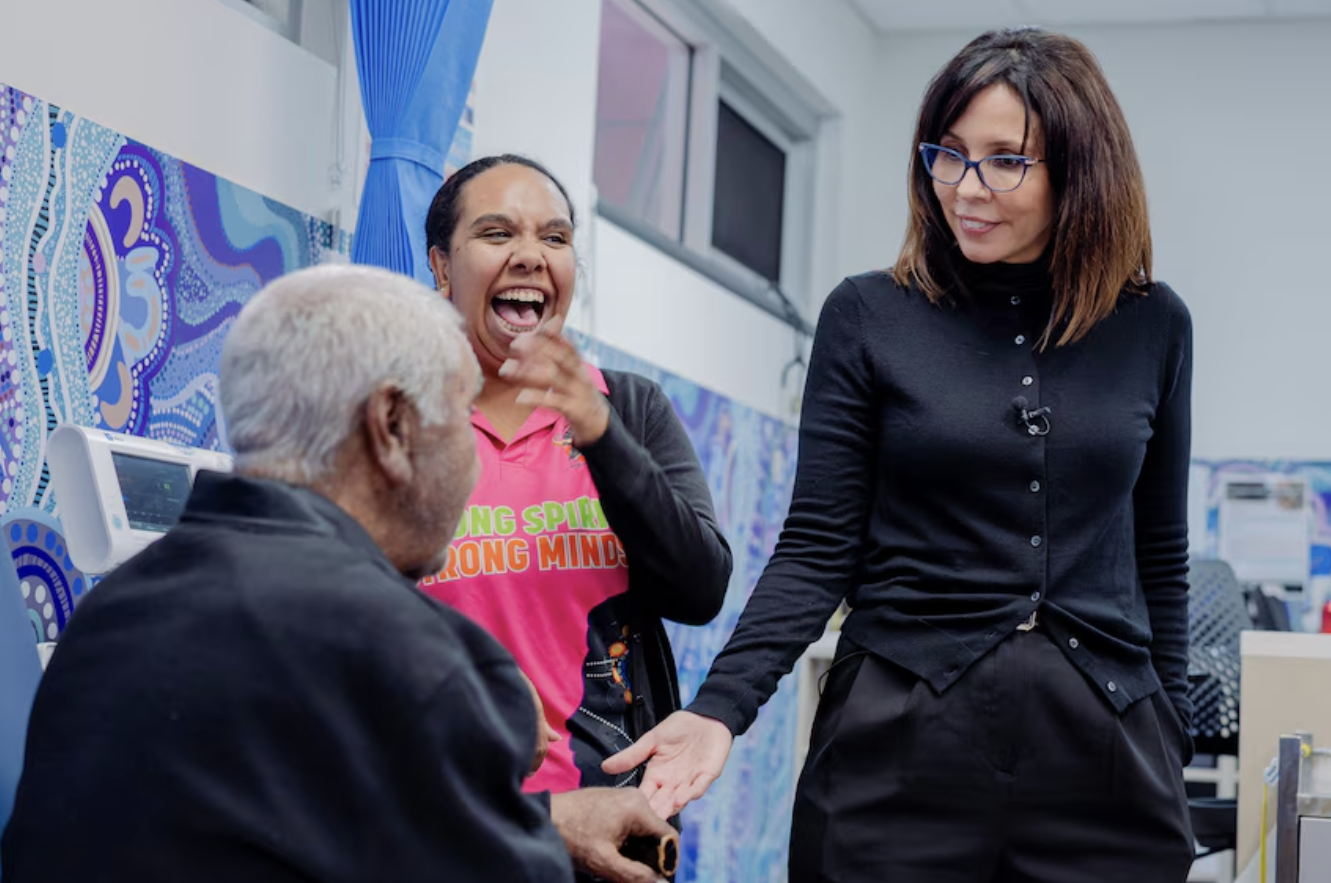
She now works at an Aboriginal Medical Service, where she said providing culturally safe care and building long-term, trusting relationships with patients was a privilege.
For Ieesha Maybir, seeing her mother study medicine while raising six children helped shape her own belief in what was possible.
"Watching her raise six children while completing a medical degree showed me, from a young age, that having a family doesn't mean women have to put their dreams on hold," she said.
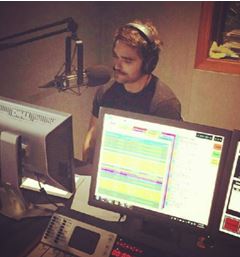
For her brothers Jamaal and Abdul, their mother's example helped make medicine feel possible.
Jamaal said he grew up seeing the discipline and sacrifice required to pursue medicine, as well as the purpose his mother carried in her work.
Abdul said following his mother's path felt "surreal" and taught him the importance of perseverance, faith and care.
The brothers are now working as junior doctors in the public hospital system.
Dr Maybir said support from Western Sydney University, including the Badanami Centre for Indigenous Education and the Tutoring for Success Program, had helped her through her studies.
She said she hoped the family's story would encourage other Indigenous students to believe they belonged in medicine and higher education.
"If there's one thing we've learned, it's that where you begin does not determine where you can go," she said.



