




The federal government department responsible for administering funding for Indigenous programs continues to direct millions of dollars to major sporting organisations, including bodies and clubs backed by significant commercial revenue streams and wealthy owners.
The National Indigenous Australians Agency (NIAA), which oversees funding for Indigenous programs across Australia, has faced criticism from some quarters over grants awarded to professional sporting organisations which deliver programs for First Nations people while also generating substantial profits.
Among the recipients are the NRL, the AFL and clubs competing in both competitions.
During Senate estimates last month, Independent Senator Lidia Thorpe criticised the money being given to organisations with significant revenue streams. She asked officials from the NIAA to consider what similar funding could achieve if directed to First Nations communities and organisations.
"It's like black comedy, honestly," she said. "This is an absolute joke."
An NIAA spokesperson told National Indigenous Times the Department provides funding for "activities that support First Nations young people to achieve positive education and employment outcomes".
Rugby League
Funding directed to rugby league-related organisations and programs accounts for a significant portion of the grants awarded through the agency.
The NIAA's Tailored Assistance Employment Grants program is helping to fund the NRL's School to Work initiative, with $10.71 million allocated over three years between September 2024 and December 2027.
This funding includes a three-year grant, approved in January, worth $8,210,382 under the NIAA's Jobs, Land and the Economy program for the Australian Rugby League Commission.
According to the NIAA, the grants fund "strategic activities" focused on getting "Indigenous Australians into work, fostering Indigenous business and assisting Indigenous people to generate economic and social benefits from effective use of their land, particularly in remote areas".
The NRL Cowboys House has also received $7.7 million in grants since 2019 for initiatives aimed at improving educational and cultural outcomes.
In July, 2024, National Indigenous Times reported the NIAA had committed more than $25 million dollars to the NRL and two of its clubs.
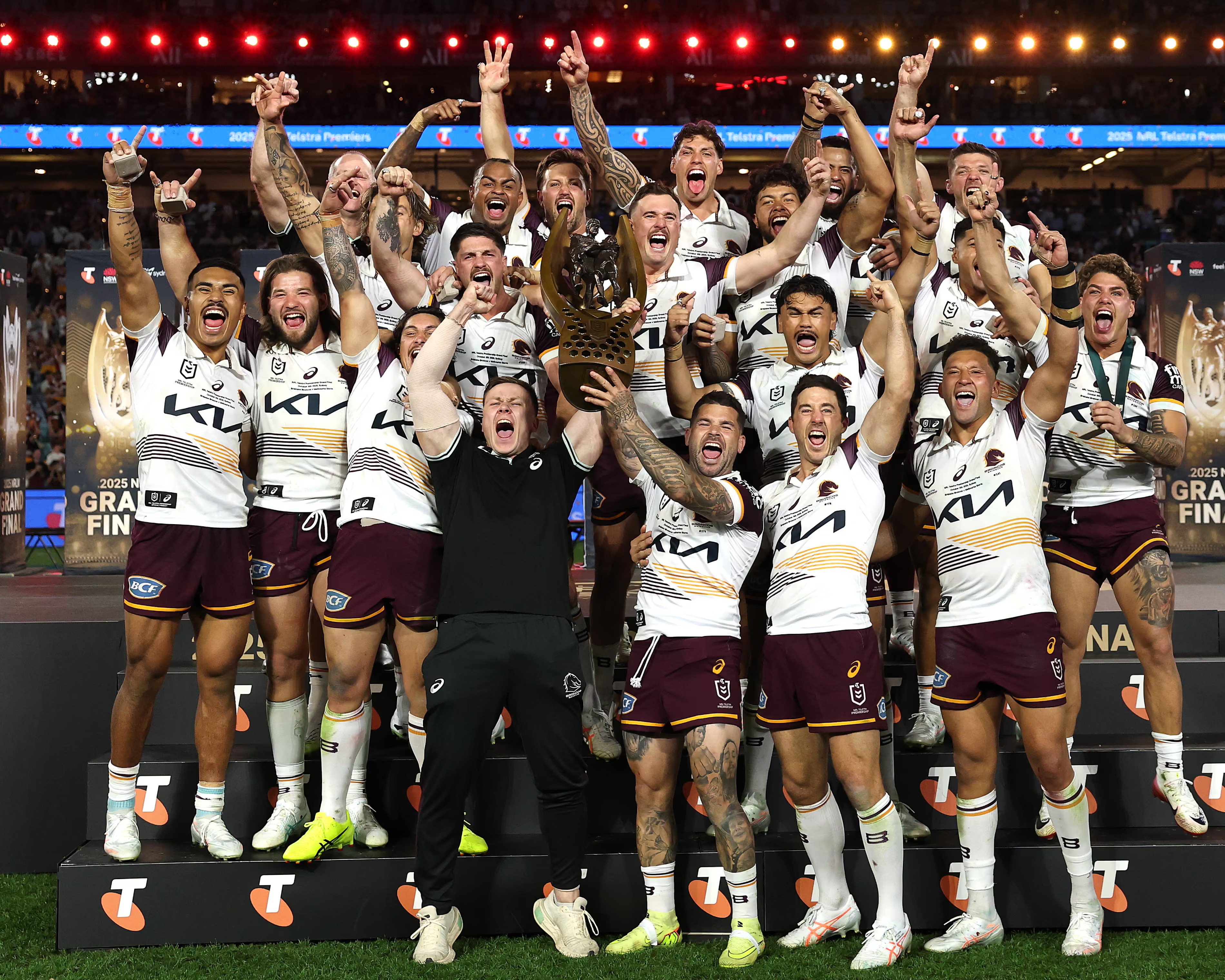
Significant funding has also been directed to the Brisbane Broncos and organisations linked directly or indirectly to the club.
Since 2019, the Broncos have received almost $56 million in NIAA funding. The club reported a net profit of $7.78 million at the end of 2025.
That funding includes $48,594,862 for the Beyond the Broncos Girls Academy across two grants focused on "getting children to school" and "improving education outcomes", between September 2019 and December 2027.
A further $7,337,725 has been allocated through two grants supporting the Beyond Broncos Mentoring Program.
The Broncos are majority owned by News Corp, one of Australia's largest media companies.
The organisation has been criticised by some First Nations leaders and advocates for its coverage of Indigenous issues and its role in public debates surrounding the Voice to Parliament referendum.
AFL
The AFL — Australia's richest sporting code — has also been the beneficiary of NIAA funding.
Since 2019, the NIAA has awarded 36 grants worth more than $48 million to organisations linked directly or indirectly to the code.
The funding supports a range of initiatives, including AFL Cape York House for Girls, Indigenous Boarding Providers and the Western Sydney Indigenous AFL Academy Programme.
The Western Sydney Indigenous AFL Academy Programme supports a minimum of 200 Indigenous secondary students across Western Sydney schools, whilst the AFL Cape York Boarding and Positive Pathways Engagement Project supports more than 90 students annually in 24-hour culturally appropriate and supported boarding accommodation for 40 weeks a year.
National Indigenous Times does not suggest any of the funding has been misappropriated by recipient organisations.
.jpg)
A NIAA spokesperson said funding delivered by organisations associated with the AFL and the NRL supports over "2,000 First Nations young people".
"They work with young people to strengthen school attendance and Year 12 attainment, provide boarding student accommodation and support students to transition into further education or employment post-Year 12," the spokesperson said.
"Progress is monitored through regular reporting, with payments linked to satisfactory performance or submission of evidence demonstrating that agreed outcomes have been achieved."
During Senate estimates, Senator Thorpe questioned whether sporting organisations were effectively using government funding to meet corporate social responsibility objectives, a characterisation rejected by the department.
In response, NIAA official Ben O'Sullivan defended the funding arrangement.
"It's not — as you've touched on — about supporting the general meeting of corporate social responsibility; it's about delivering specific supports under an outcome-based payment model," he said.
"When those outcomes are delivered with those students, then those outcomes are paid to the NRL."
Mr O'Sullivan highlighted the outcomes achieved under the previous School to Work agreement, which concluded at the end of 2024.
"They've supported around 1,575 students to complete year 12 [at a] 100 per cent conversion rate; 545 students into employment — a 98 per cent conversion rate based on commencements; and 383 students into training post year 12 — a 93 per cent conversion rate," he said.
"So what we're funding under that specific School to Work project is to support students to finish year 12 and then into employment or further training."
This article was amended on June 12. The AFL has not received funding directly from the NIAA since 2019, whilst funding under the Jobs, Land and the Economy grant is included in the funding for the NRL's School to Work initiative, not separately.



