




More than 40 Indigenous groups and individuals have signed a joint statement calling on government and business to engage Aboriginal and Torres Strait Islander people on all "nature positive" decision-making.
Gathering on Gadigal land this week during the inaugural Global Nature Positive Summit hosted by the Albanese government, First Nations people from across the country issued the statement co-written by First Nations advisers at ACF and WWF-Australia.
"Indigenous voices are vital to the success of nature positive initiatives in Australia and globally," the joint statement reads.
"We must all commit to First Peoples being engaged in the nature-positive agenda and nature law reforms right from the start. The right decisions about nature-positive and Country are made when we are part of the process."
The joint statement said the importance of Indigenous engagement is made clear both when it is present and when it is absent.
"We must move towards a nature-positive future, and First Peoples play a key role in shaping this. There is no journey without us, and we are proud to reach out our hand for yours and lead everyone towards a brighter future for nature together," the statement concluded.
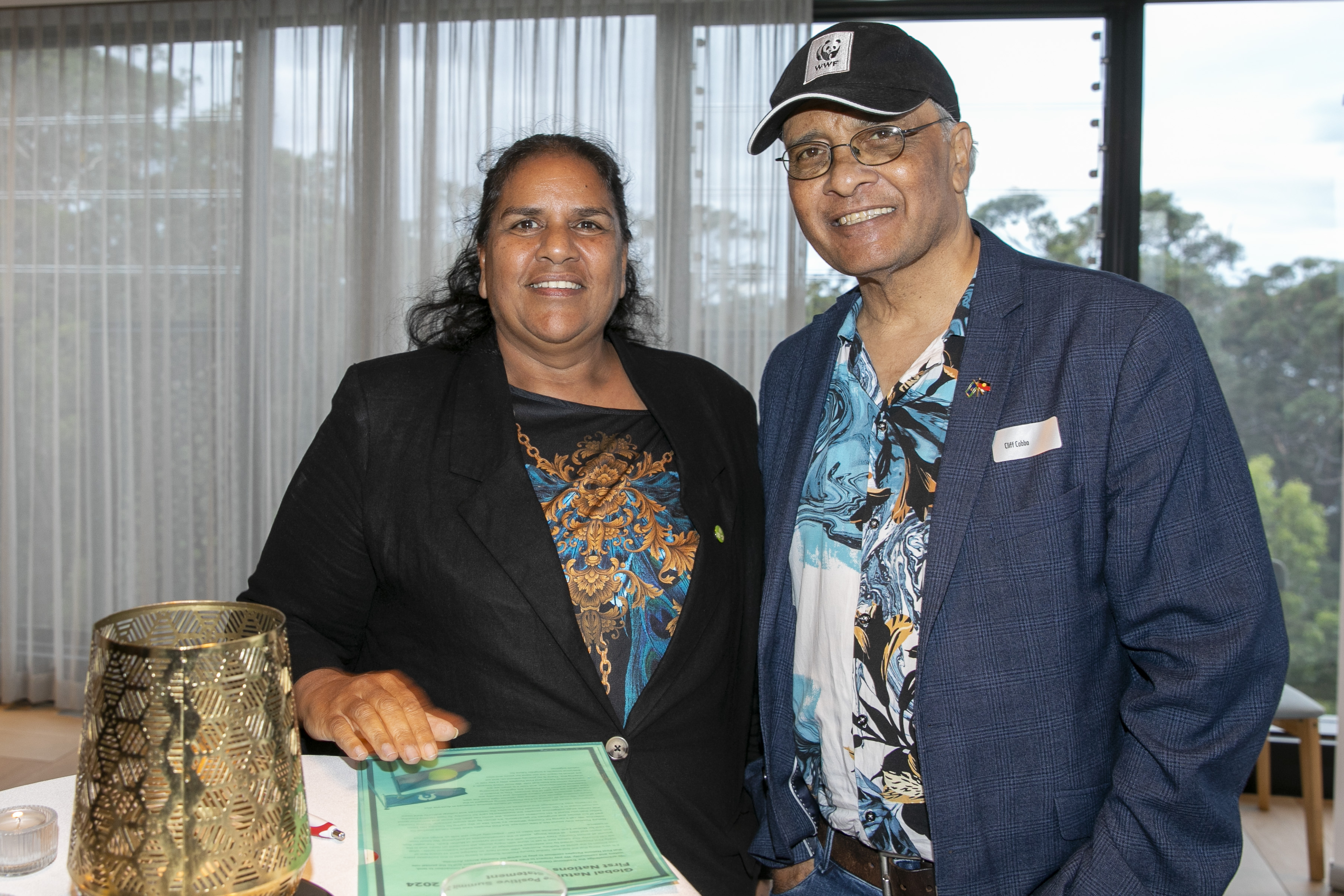
Kuruma Marthudunera woman and Australian Conservation Foundation's First Nations lead, Josie Alec, said First Nations voices need to be at the forefront of the federal government's nature law reform, as well as the approvals process and environmental planning for the future.
"This has to be done through meaningful, respectful and transparent dialogue... no more reckless approvals for coal and gas that destroy our lands and waterways," she said.
"First Nations people have knowledge passed down through our stories and ancestors for over millennia.
"The Albanese government has a responsibility to the people of this country to start protecting the land and sea from destructive industries and business by utilising and implementing traditional knowledge into its environmental laws. We are crisis point. It's about sustainability and longevity of all life on earth."
During her speech at the forum, Federal Environment Minister Tanya Plibersek acknowledged Indigenous people had a deep connection with their lands and waters, which had been maintained despite colonisation.
She said the government was establishing a dozen Aboriginal protected areas - equivalent in size to Tasmania - and working to double the number of Indigenous rangers.
Previously entrenched systems had adapted to society's needs as values changed and it could happen again to halt biodiversity loss if people worked together, Ms Plibersek added.
WWF-Australia's First Nations Principal Adviser Cliff Cobo said nature positive as a construct wasn't a new concept for First Nations people.
"It's in our DNA," the Wakka Wakka man said.
First Peoples' have spiritual and physical connections to nature, and an inherent right and responsibility to look after the Country they have been on for thousands of years, Mr Cobo added.
Highlighting the climate crisis, he said First Nations communities bear the disproportionate brunt of climate change, arguing governments, Traditional Owners, and civil society, all working together, is the best way forward.
"A nature positive future is our cultural authority and Knowledge being recognised and valued as a vital part of nature-based solutions to the climate crisis. It always was, and always will be," Mr Cobo said.



