




The peak body for Aboriginal and Torres Strait Islander Legal Services says they are bracing for a crisis of child incarceration as a number of jurisdictions across the country embrace punitive policies which they say will fail to close the gap.
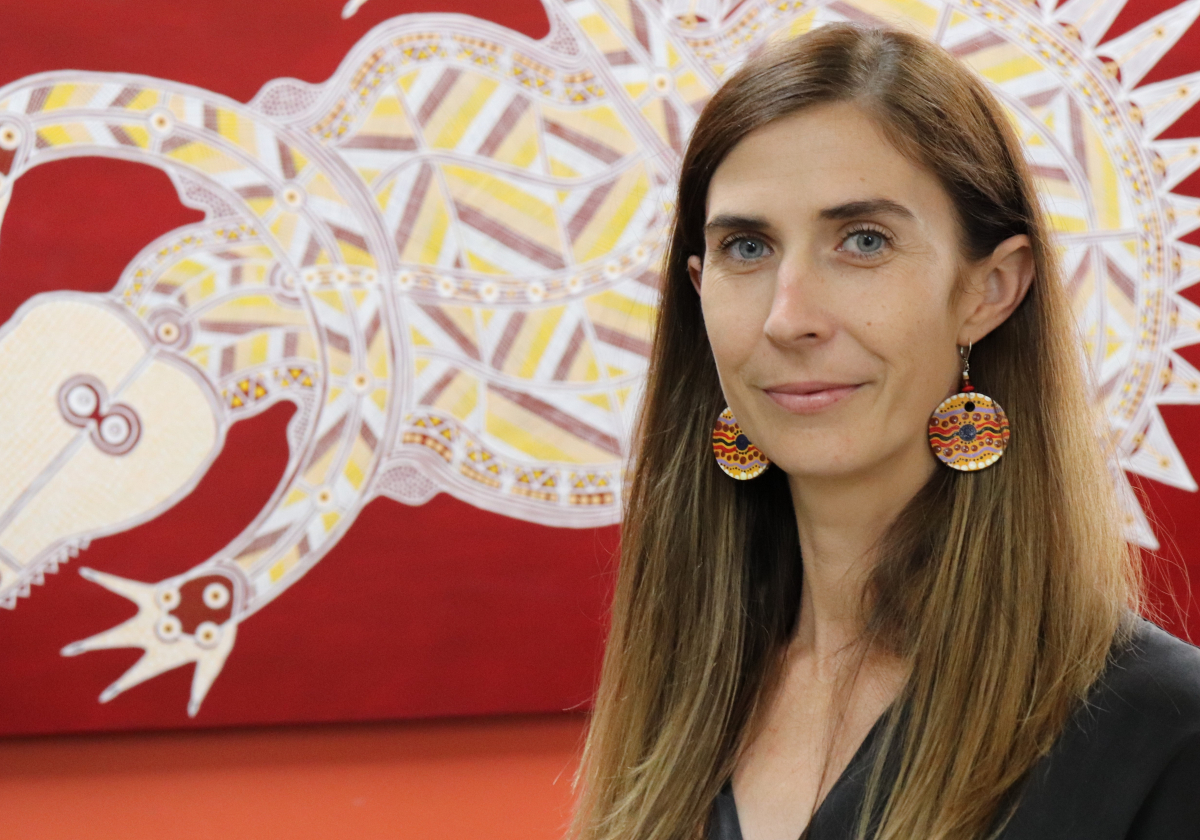
In the wake of the new Northern Territory government's promise to lower the age of criminal responsibility to 10-years-of-age - against medical, legal and human rights advice - chair of National Aboriginal and Torres Strait Islander Legal Services (NATSILS), Karly Warner, said the "tragic shift" to more punitive responses from a number of governments across the country will "lead to a lot more children in jail and more dangerous communities".
"We fear the worst when it comes to children in custody. We are already seeing an increase, and recent history tells us that the outcomes will be unimaginable and tragic," Ms Warner said.
"Putting 10-year-old children in jail and increasing incarceration won't reduce crime. It will perpetuate the cycles of trauma, violence and government neglect that led us here in the first place. We need to support young people, families, and communities, not harm them."
The CLP in the NT ran on a policy of "tough on crime," but Ms Warner said "posturing" about punishment when it came to law and order had never worked and wouldn't in the future.
"The responsibility of governments is to do everything possible to prevent crime, not to look tough in response," she said.
"We are extremely concerned that the proven programs that actually work to prevent crime –which have never been properly supported or funded – will now be even further deprioritised."
Along with the NT, other states have also established plans which legal organisations say will cause more children - disproportionately Indigenous children - to be incarcerated.
Last month, the Victorian government, long championed as the most 'progressive' in the country, abandoned plans to raise (in 2027) the age of criminal responsibility to 14 - the age many medical experts argue is the bare minimum - after an intense media campaign against the proposal.
Earlier this year, the NSW government introduced stricter bail laws, which were criticised by members of the government, and which Labor admitted would lead to more youth incarceration, whilst last year, Queensland twice suspended the Human Rights Act to enable children to be housed in adult watch houses and to make breach of bail for young people a criminal offence.
"State and territory governments around Australia are ignoring the evidence on what prevents crime," Ms Warner said.
"That means more and more Aboriginal and Torres Strait Islander children are going to be locked up in circumstances that other children wouldn't be [in], compounding generations of structural racism and discrimination."
Ms Warner said the new legislative decisions were compounded by a lack of funding for Aboriginal and Torres Strait Islander Legal Services around the country, arguing currently, they are only able to support a "fraction" of the vulnerable people needing help.
Last week, the federal government announced a five-year, $3.9b national legal assistance partnership, $800m more than the previous agreement.
It came after receiving an independent review into the funding of legal services in March by Dr Warren Mundy, which found current funding levels are drastically insufficient to meet the needs of Australia's population, especially for marginalised groups like Aboriginal and Torres Strait Islanders.
However, many legal organisations - whilst welcoming the increased funding - were critical of the amount, which amounts to roughly $500m, just $100m a year more than the previous agreement, once the $300m for pay parity and indexation is factored in.
The Aboriginal and Torres Strait Islander Legal Services (ATSILS), for example, had called for a $229 million injection at the last budget to ensure they would be able to deliver their "critical services".
Ms Warner, who is understood to be going to Canberra this week to lobby the federal government, said she hoped they would "fund our services properly to ensure children are not locked up when others wouldn't be".
"Our sincere hope is that the looming child jail crisis can be avoided if governments agree to listen to us and focus on what can be done to prevent crime rather than on what makes them look tough," she said.



