



Ashfield Uniting Church has unveiled a new Indigenous Stations of the Cross, offering one of Christianity's longstanding traditions through a First Nations lens.
The installation features work by the late Christian Kukatja artist Matthew Tjupurrula Gill, who reimagined the final journey of Jesus through Indigenous artwork and visual symbolism.
The drawings depict Jesus as an emu spirit and invite reflection on suffering, hope, healing, Country and reconciliation.
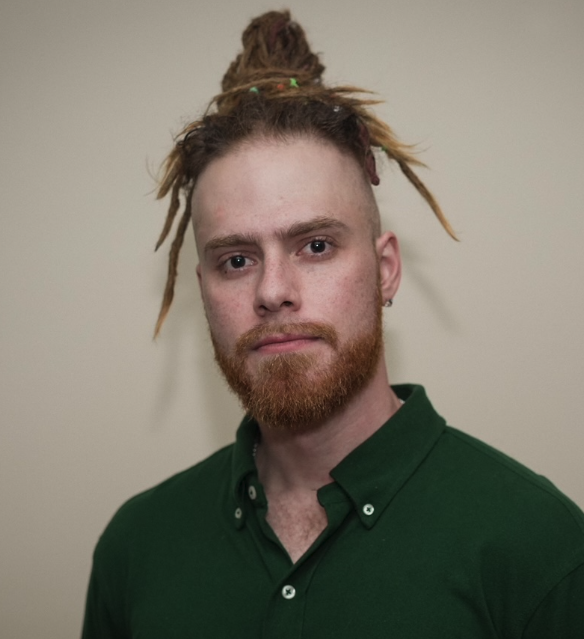
Gomeroi and Wakka Wakka Elder and church parishioner Aunty Shirley Lomas unveiled the work with Reverend Bill Crews on Sunday to mark the start of NAIDOC Week.
For Ms Lomas, the installation showed how First Nations spirituality and Christianity could sit together.
"To me, it meant a great deal because it meant that our spirituality and Christianity walked hand in hand," Ms Lomas said.
"Matthew Gill was a devout Christian.
"He was able to put two and two together."
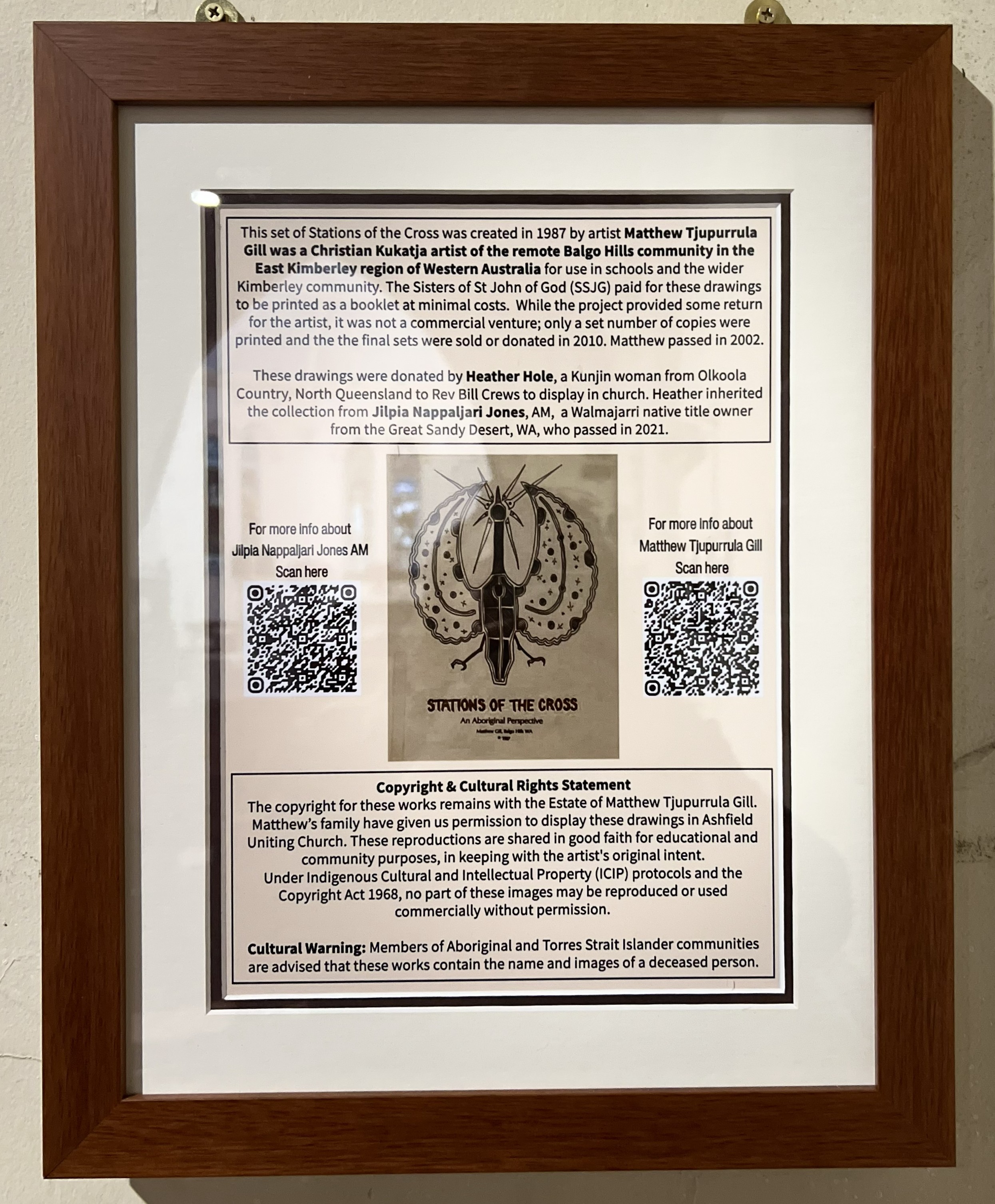
The Stations of the Cross were created by Gill in 1987 for use in schools and the local community around Balgo Hills, in Western Australia's East Kimberley region.
Kunjin woman Heather Hole, from Olkoola Country in North Queensland, inherited the collection from Walmajarri native title Traditional Owner Jilpia Nappaljari Jones AM, who died in 2021.
Ms Hole has loaned the drawings to Crews for display at the church, where they are intended for worshippers and the wider community.
The placement of the work inside the church gave parishioners a way to engage with Aboriginal spirituality through a Christian setting.
"It gave the parishioners a chance for Aboriginal spirituality to become a part of what they perhaps practice in church," Ms Lomas said.
"That's what I found was really, really important with the stations of the cross.
"It was the fact that spirituality and Christianity came together."
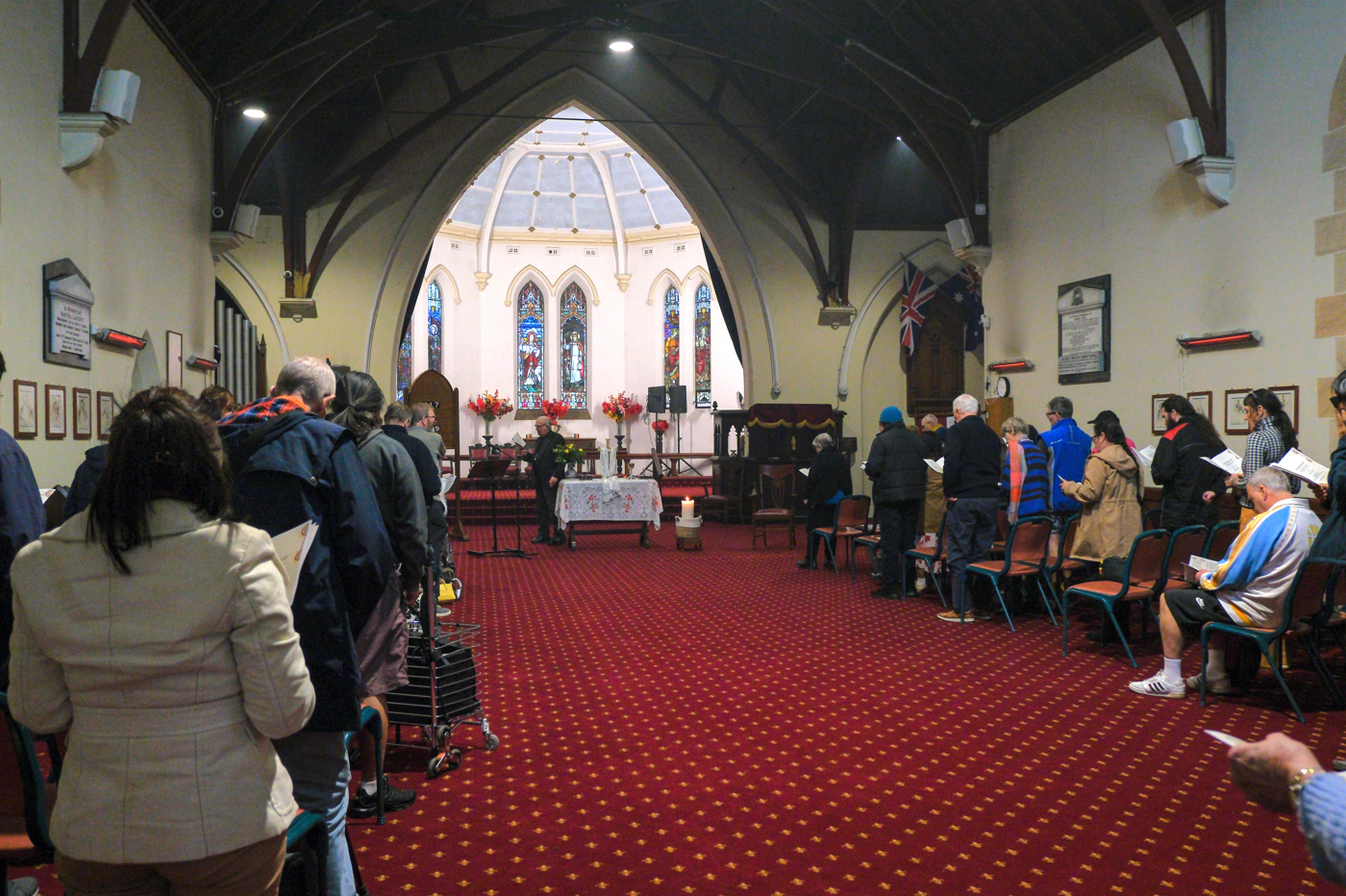
Community members gather for a NAIDOC Week service at Ashfield Uniting Church. (Image: Supplied)
The unveiling formed part of a wider NAIDOC Week program at Ashfield Uniting Church, which includes cultural events, performers, bush tucker and dancers.
The display also carried a broader message for the church community and people who use services run on site.
"It's reconciliation on display and our time to shine," Ms Lomas said.
"It's about celebrating the world's oldest living culture."
Ms Lomas also credited Rev Crews for giving space to the work and to Aboriginal community members connected to the church.
The installation is intended to ensure Mr Gill's artwork can be seen in a place of worship and not separated from the Christian faith that helped shape it.
The work will remain on display at Ashfield Uniting Church.



