




Waipapa Taumata Rau (University of Auckland), has launched its first Pacific Strategy, Ala o le Moana (2025–2030), marking a historic milestone in the institution's 142-year journey.
The strategy, unveiled on Monday at Fale Pasifika, sets out a framework to strengthen Pacific learners, academic and professional staff, and communities, supporting the University's Taumata Teitei, Vision 2030 and Strategic Plan 2025.
Ala o le Moana, meaning "pathways of the ocean", references the long histories and navigational expertise of Pacific peoples and their journeys across oceanic spaces.
Led by Pro Vice-Chancellor Pacific Professor Jemaima Tiatia-Siau, the strategy was developed over 15 months through a University-wide process that involved Pacific communities in Aotearoa and the region, alongside non-Pacific stakeholders.
Professor Tiatia-Siau said the strategy is intended to drive transformation.
"This strategy is more than a document - it's a directed flightpath for transformation," she said.
"It's about creating a future where Pacific learners and leaders can thrive, with an approach that recognises and celebrates their identities, values and languages, while also honouring their invaluable and unique contributions and excellence."
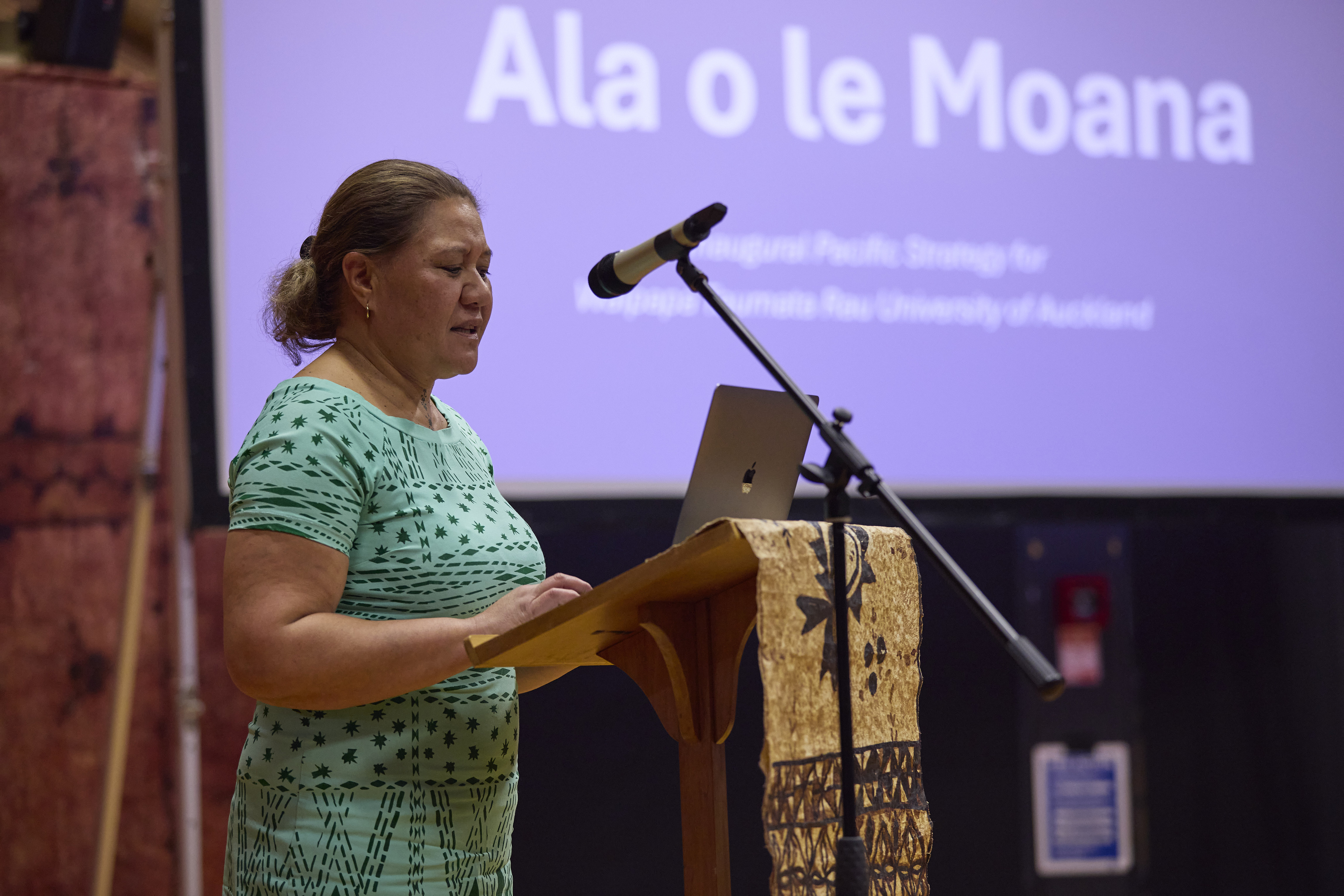
In unveiling the strategy, Professor Tiatia-Siau acknowledged the input of many people and communities.
"I wish to express my heartfelt thanks and gratitude to everyone who contributed to this strategy – without your voice, leadership, knowledge and efforts, Ala o le Moana would not have come into being," she said.
"This reemphasises our university's commitment, in that, we all desire a common goal, and that is to continue building, nurturing and sustaining a thriving environment for our Pacific communities."
Vice-Chancellor Professor Dawn Freshwater said the launch is a major moment for the University.
"Many hands and hearts have shaped this important document – we are absolutely thrilled that, after 142 years, Ala o le Moana has been realised," Professor Freshwater said.
Dignitaries, staff and guests from across Aotearoa attended the event, including Ministry for Pacific Peoples Secretary, Geraldine Clifford-Lidstone.
The development of the strategy included talanoa with church leaders, Elders, youth and business leaders to ensure it reflected Pacific realities and aspirations.
The University's connection to Pacific excellence began in 1936 with Olive Malienafau Nelson, the first Pacific female graduate.
In 2022, the Sir Michael Jones Foundation launched the Olive Malienafau Nelson Pasifika Scholarship for Excellence to honour her legacy in the field of law.
The University's 2023 data records more than 40,000 students, with approximately 4,000 Pacific students and nearly 400 Pacific staff.
Ala o le Moana outlines five priorities focused on Pacific excellence in research, innovation and entrepreneurship, teaching and learning, service, and leadership.
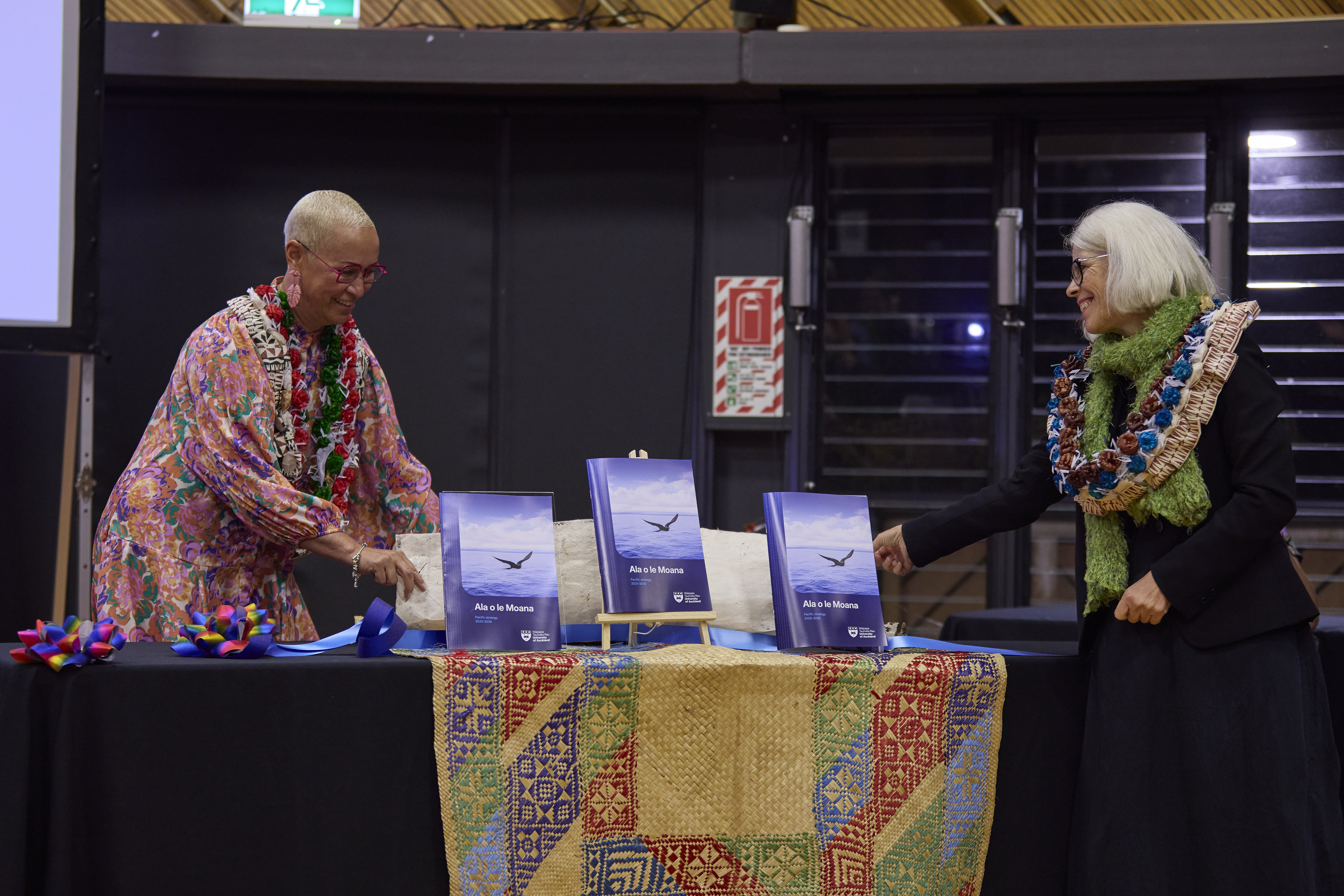
Professor Tiatia-Siau said the timing follows recent Māori initiatives.
"The launch of the Pacific strategy was timely, following on from Kawea Ake, the University's Māori strategy, and Toitū Waipapa, the University's Māori framework," Professor Tiatia-Siau said.
"The strategy strongly positions Pacific peoples in solidarity with tangata whenua, recognising the shared aspirations for tino rangatiratanga, equity, and transformation."
Professor Tiatia-Siau acknowledged the guidance provided by Māori leadership throughout the process.
"We have been fortunate to have the guidance and support from tangata whenua and mana whenua, under the leadership of Pro Vice-Chancellor Māori Professor Te Kawehau Hoskins and her office, as well as the taonga of insights from our Māori whānaunga from across our institution," she said.
Acting Deputy Pro Vice-Chancellor Pacific, Sili-Mireta Ropati, played a central role in finalising the strategy.
She said its release marks further progress for Pacific peoples.
"This is a proud moment for our University and our Pacific communities," she said.
"It's about amplifying Pacific voices and ensuring our tauira (students) are equipped to lead with confidence and cultural pride."



