




Warning: The following article contains references to suicide, which may be distressing to some readers
A suicide prevention priorities paper — described as the first of its kind, developed entirely through a First Nations lived-experience lens — has been released.
Emerging from the in-person National Indigenous Lived Experience Group (NILEG) gathering on Waiben (Thursday Island) last year, and launched by the Indigenous Australian Lived Experience Centre (IALEC), Priorities for Suicide Prevention: A First Nations Lived Experience Collective Statement (2026) comes as the latest data shows Indigenous suicide rates nationwide are three times higher than those of non-Indigenous people.
"The voices of lived experience — those who have journeyed through distress, survived an attempt, supported a loved one, grieved a loss, or carried community healing responsibilities — remain our most powerful guides for change," the paper states in its introduction.
IALEC — an Indigenous-led organisation advancing suicide prevention through lived experience leadership — recently transitioned from operating within the Black Dog Institute to become fully self-determined.
The organisation said this is the first time a priorities paper of this kind has been developed in this way, grounded in culturally safe engagement and collective authorship through the NILEG.
One contributor wrote: "We continue to lose our loved ones — your way isn't working. It's time to try a different approach... that's lived experience."
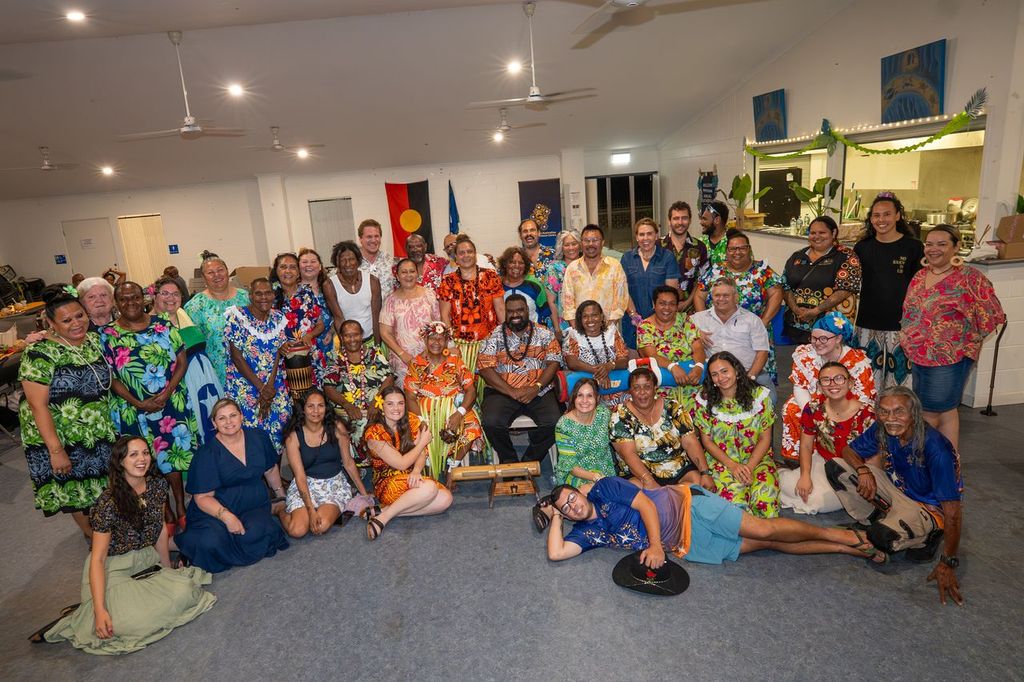
The paper — co-authored by more than 30 Aboriginal and Torres Strait Islander people with lived experience of suicide and distress — outlines 10 priority areas for action, centred on a First Nations-led approach to suicide prevention which places culture at the heart of wellbeing.
Key measures include investing in culture as essential prevention infrastructure, supporting healing from both individual and collective trauma, and building a properly resourced First Nations peer workforce.
It also calls for intersectional, culturally responsive services, recognises social justice issues such as housing, racism and poverty as central drivers of suicide risk, and emphasises returning ownership of stories and lived experiences to First Nations people.
In a statement, IALEC said the message is clear: "Culture saves lives. Community saves lives. Lived experience leadership must shape the future."
"For too long, suicide prevention policy and service design has been driven by Western frameworks, often excluding the very voices that hold the deepest knowledge of what works — those on-the-ground, in Community, who have lived and breathed the hurt, loss and healing," they said.
"This paper responds directly to that gap."
The NILEG called on governments, services, researchers and sector partners to "walk alongside First Nations lived experience leaders and invest in these priorities with urgency, respect and accountability".
"Please honour the courage of mob who continue to advocate for change despite relentless loss," they wrote.
1800 RESPECT (1800 737 732)
Lifeline 13 11 14
Men's Referral Service 1300 766 491
13YARN 13 92 76



