



The Place Names Melville project is much more than an exploration of language and history, it is a powerful journey of reconciliation, healing, and cultural revival.
Guided by Noongar Elders and supported by organisations such as Community Arts Network (CAN) and Moodjar Consultancy, the initiative continues to build on work that began in 1997 to research and honour significant Indigenous sites in the area.
In 2023, the project entered its second phase following the success of the initial phase in 2022. Phase II includes workshops led by Dr Len Collard, where a dedicated advisory group worked to uncover and interpret the meanings behind Noongar place names throughout the City of Melville.
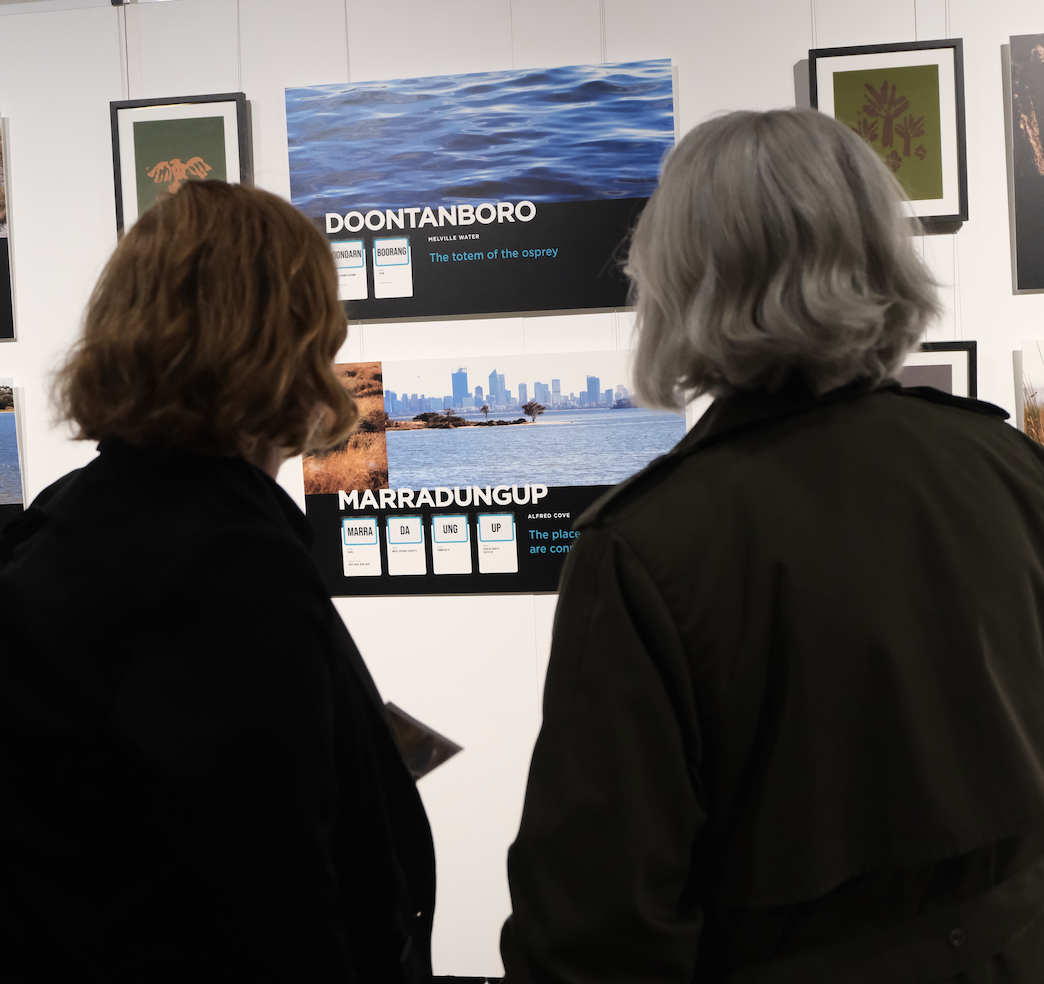
Sixteen Noongar place names were initially selected from research by Dr Dave Palmer, and by the end of the workshops, 14 names were fully decoded and translated.
These include Doontabroro (Melville Water), Yagan Mia/Yagan Geninny (Wireless Hill), Dyoondalup (Point Walter), Marradungup (Alfred Cove), Wagoorjup (Canning Bridge), and others, revealing the rich cultural layers within the land.
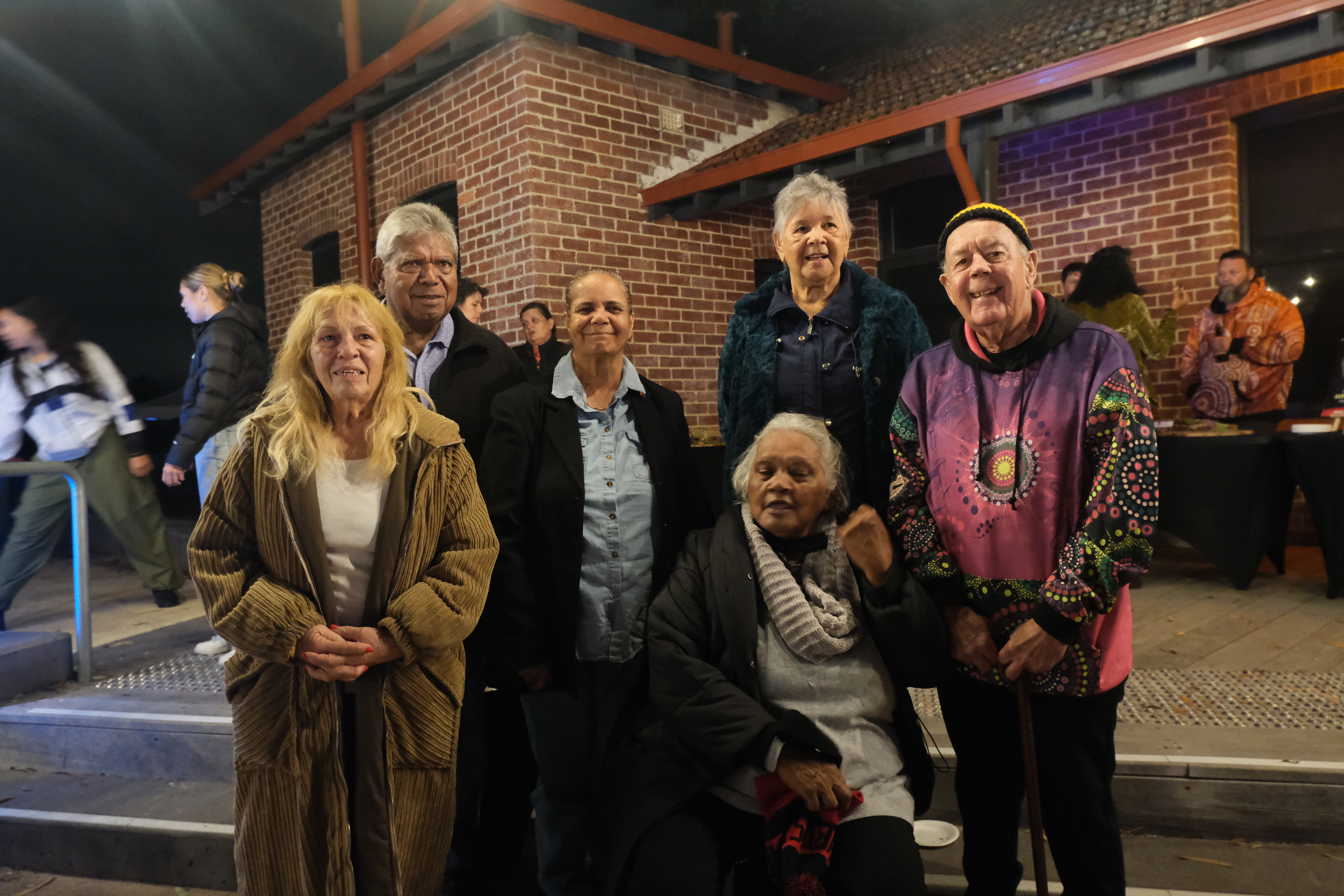
One of the central figures in the project Chairperson of the CAN, Geri Hayden, reflected on the project as she emphasised its role in both community-building and education.
"We wanted to share our language and our culture, not just with the wider community, but with our own people too," she said.
Dr Gerrard Shaw, connected to Balladong country and a member of the Stolen Generations, spoke on the personal healing he experienced through the project.
"For much of my life, I was lost, not knowing who I was or where I came from. Through this project, I've reconnected with my roots and my culture," said Dr Shaw.
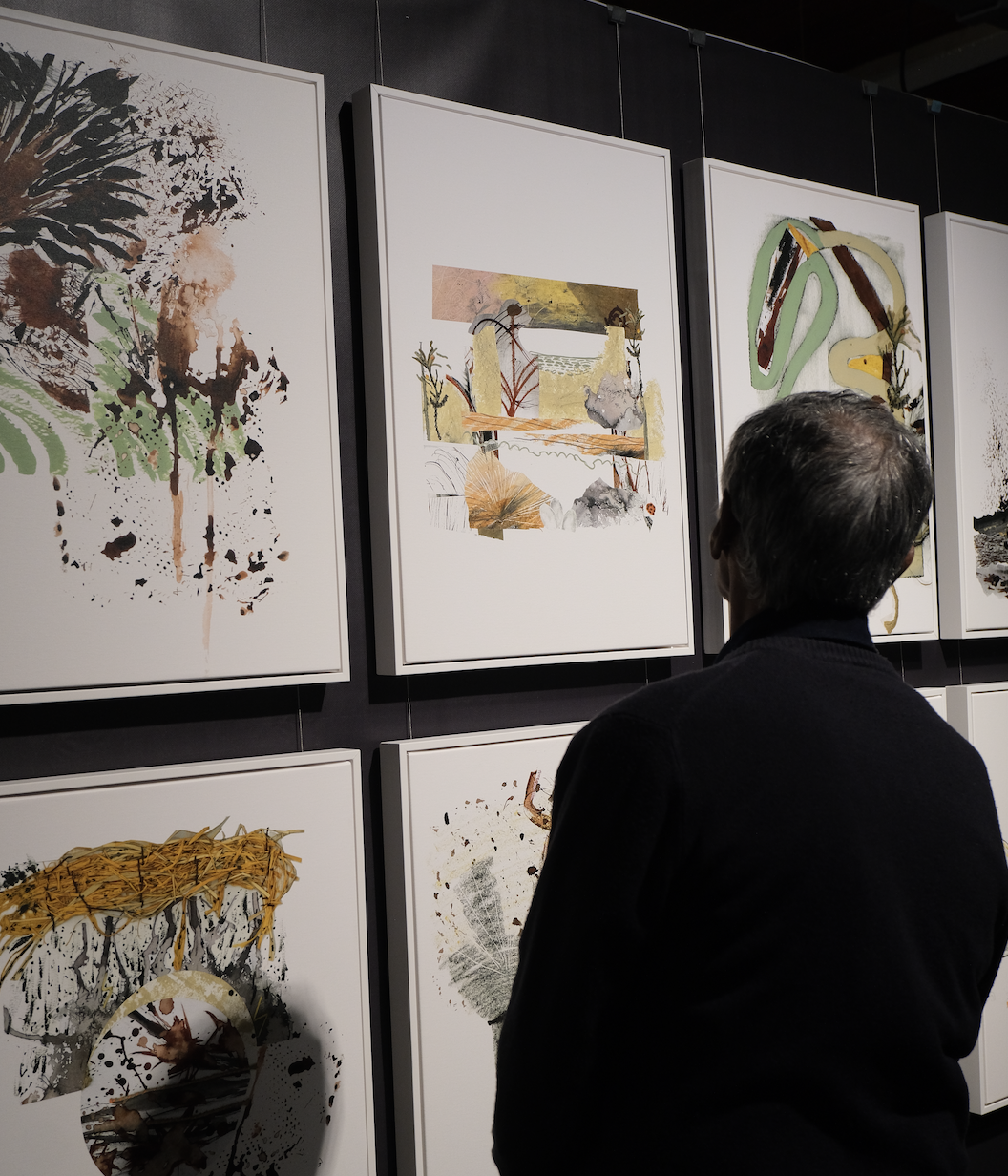
At the heart of the project is the exhibition Doontanboro Kura, which features large-scale handmade maps, traditional Noongar iconography, soundscapes, and animated projections, which was a collaboration between artists and community members.
One of the highlights, the large-scale map of the Melville area, features the locations of 17 ancient Noongar place names, each adorned with traditional iconography referencing the animals, plants, and rituals of Noongar boodja.
Visitors were also treated to an awe-inspiring projection of the ancient Noongar creation story of Wagoorjup, where the two rivers meet at Canning Bridge.
This massive animated projection illuminates Wireless Hill four times during the exhibition, symbolising the deep cultural significance of the land and the ongoing impact of colonisation on the Noongar people.
"When they drove the pylons into the earth, they were hurting Mother Earth," Dr Shaw said.
"That land is sacred, and through this project, we are bringing its stories back to life."
For those involved, Place Names Melville has been as much about education as it has been about cultural revival. Ms Hayden and Dr Shaw both spoke warmly of the younger generations who participated in the project, eager to learn about their heritage.
"Many young people didn't know the meanings behind these names," said Ms Hayden.
"But this project has given them a chance to connect with their heritage and culture."
In workshops, young people sat with Elders and artists, creating their own interpretations of the ancient place names through visual art.
"At first, many said, 'We're not artists,' but when they started, they created incredible works," said Ms Hayden.
"It was a beautiful process, watching them connect with their own country and history."
One special moment was the participation of Brentwood Primary School students, who created artwork as part of the project.
"Those little kids were the most engaged I've ever seen, they were so eager to be involved, and their work blew me away," she said.
As the project continues, the focus remains on building connections, fostering understanding, and sharing the richness of Noongar language and culture.
Through these efforts, Place Names Melville stands as a beacon of reconciliation, a shared dream of healing and unity that continues to inspire.
"Together, we are making reconciliation a reality here and now," said Dr Shaw.



