




The New South Wales Government's announcement that police will be given stronger tools to disrupt organised crime networks, and children will face stronger penalties, has been criticised by legal experts as ineffective and punishing young people who have been exploited.
This week, the Minns Government announced legislation was in the works, including interim Serious Crime Prevention Orders and new offences targeting the use of online platforms to arrange serious criminal activity.
They will also expand serious children's indictable offences (SCIOs) to cover conduct linked to organised crime. SCIOs are heard in higher courts, and children will face adult penalties.
"Organised crime doesn't stand still, and neither can the laws and powers we give police to fight it," Premier Chris Minns said.
"We want to hit these criminal networks at every point — the people who organise the violence, the people who facilitate it online and the people who ultimately carry it out."
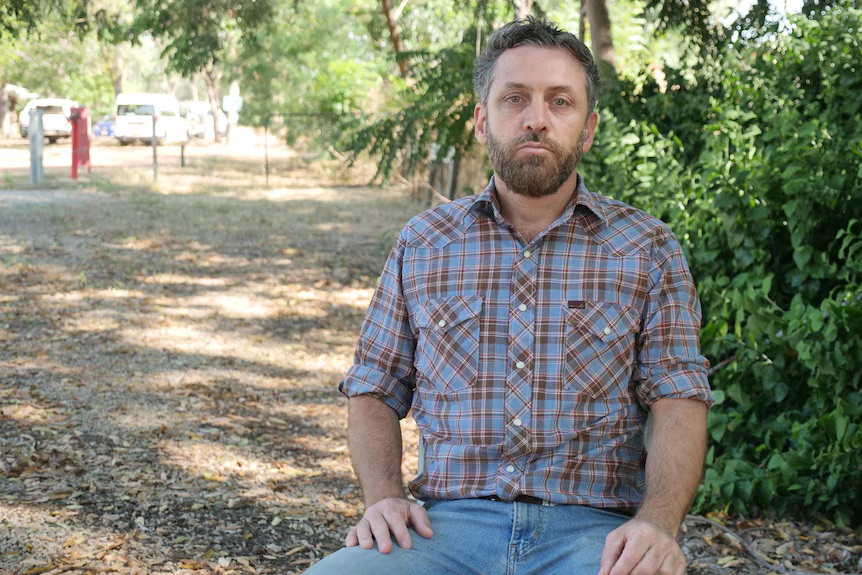
The National Aboriginal and Torres Strait Islander Legal Services (NATSILS) said the proposed laws are damaging, ineffective and certain to perpetuate cycles of crime.
NATSILS General Manager Nick Espie said while it is clear organised crime networks need to be dismantled, punishing exploited children is a solution that will perpetuate further crime.
"The Premier himself acknowledged that children are being increasingly recruited by sophisticated criminal organisations to commit offences for payment," he said. "These laws fail to address the root cause of crime and instead punish children who have themselves been exploited."
He argued Mr Minns should consider how NSW has allowed organised crime syndicates to "take advantage of teenagers in the first place", rather than introducing more legislation targeting children and young people.
Legal groups have criticised the NSW Government for what they describe as punitive responses to youth crime, which has seen an increase in Indigenous young people in custody. Mr Espie said the proposed legislation was the latest in a line of new laws introduced across the country under the guise of being 'tough on crime'.
Children are being cycled through the prison system nationwide, experiencing trauma without being rehabilitated, he said.
"Jail is no place for children, and incarcerating them does not keep the community safe — it does the opposite," Mr Espie argued. "States and territories continue to show they cannot be trusted to address youth justice, and NSW is continuing to lead this shameful trend."
Police given greater powers
The legislation also gives NSW Police — which has been heavily criticised for a perceived heavy-handed response to protesters and minority, including First Nations, communities — more funding for technology capabilities to access, download and analyse encrypted devices linked to organised crime investigations.
"The significant investment in digital forensic capabilities will give police the ability to crack encrypted devices and uncover evidence organised criminals rely on to hide their activities," Police Commissioner Mal Lanyon said.
"Alongside an increased police presence on the ground and in the air, these changes and investment mean we have the capability and resources to dismantle organised criminal networks and continue to protect the community."
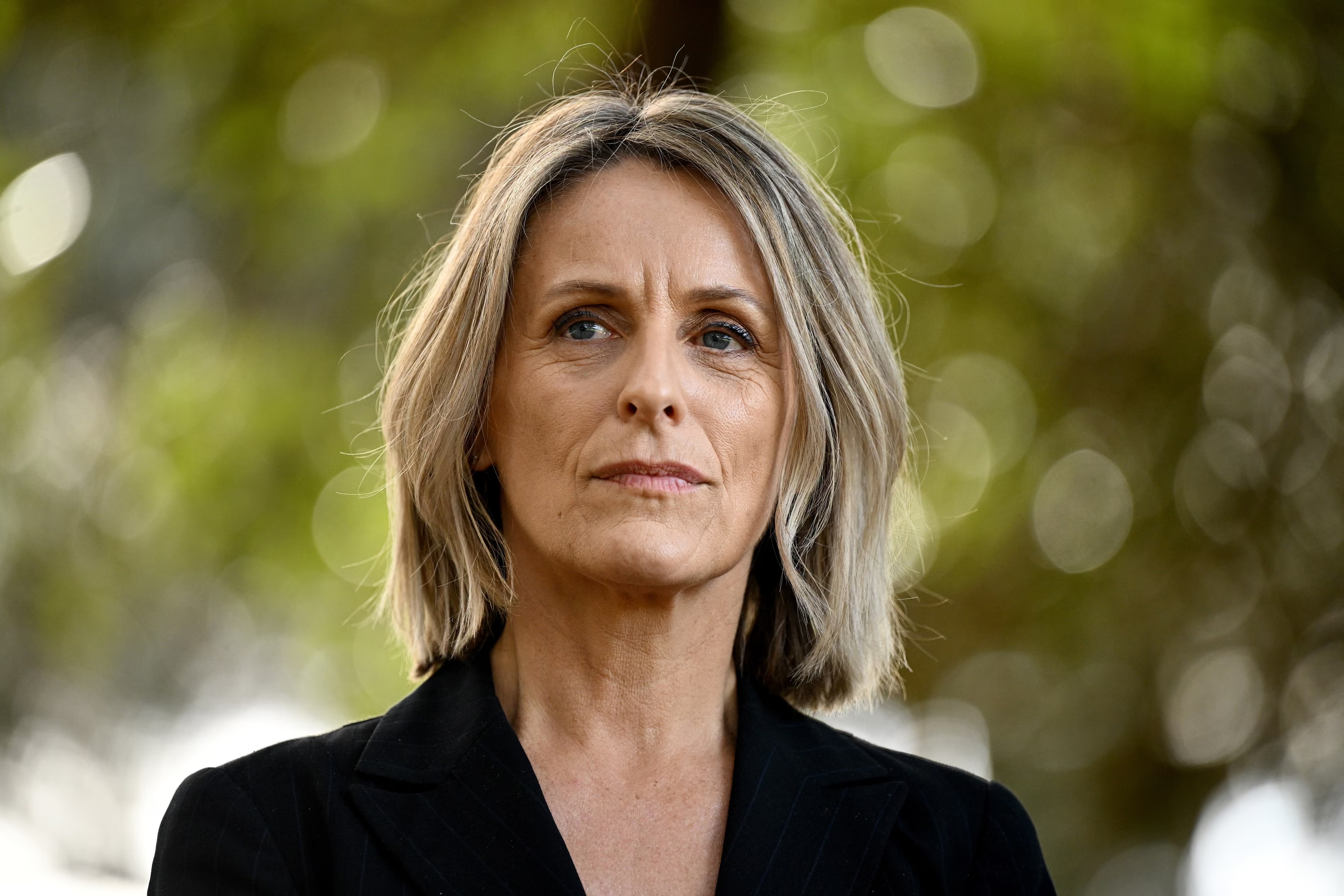
In response, Greens Justice Spokesperson and lawyer Sue Higginson argued the government's only response to "horrific" crimes was to "erode civil liberties, increase police powers and lock up more children and young people".
"Under the Minns Labor Government police have been given increased powers, the number of kids and young people in prison has increased at record rates, and more people are being arrested and incarcerated than ever before," she said.
"This approach has failed to stop recent criminal murders or address the causes of organised crime, and the exact same law-and-order approach will simply keep failing.'
Principal Solicitor of Criminal Law at the Aboriginal Legal Service NSW/ACT, James Clifford, said the latest legislation only proves the point of legal services across the country: "State and Territory leaders are racing to the bottom to appear tough on crime, at the expense of children and actual safety."
"It's time for the PM to lead a national response to the youth justice crisis," he said.
The Prime Minister has previously ruled out intervening in state and territory justice systems, arguing they have the right to make their own laws.



