
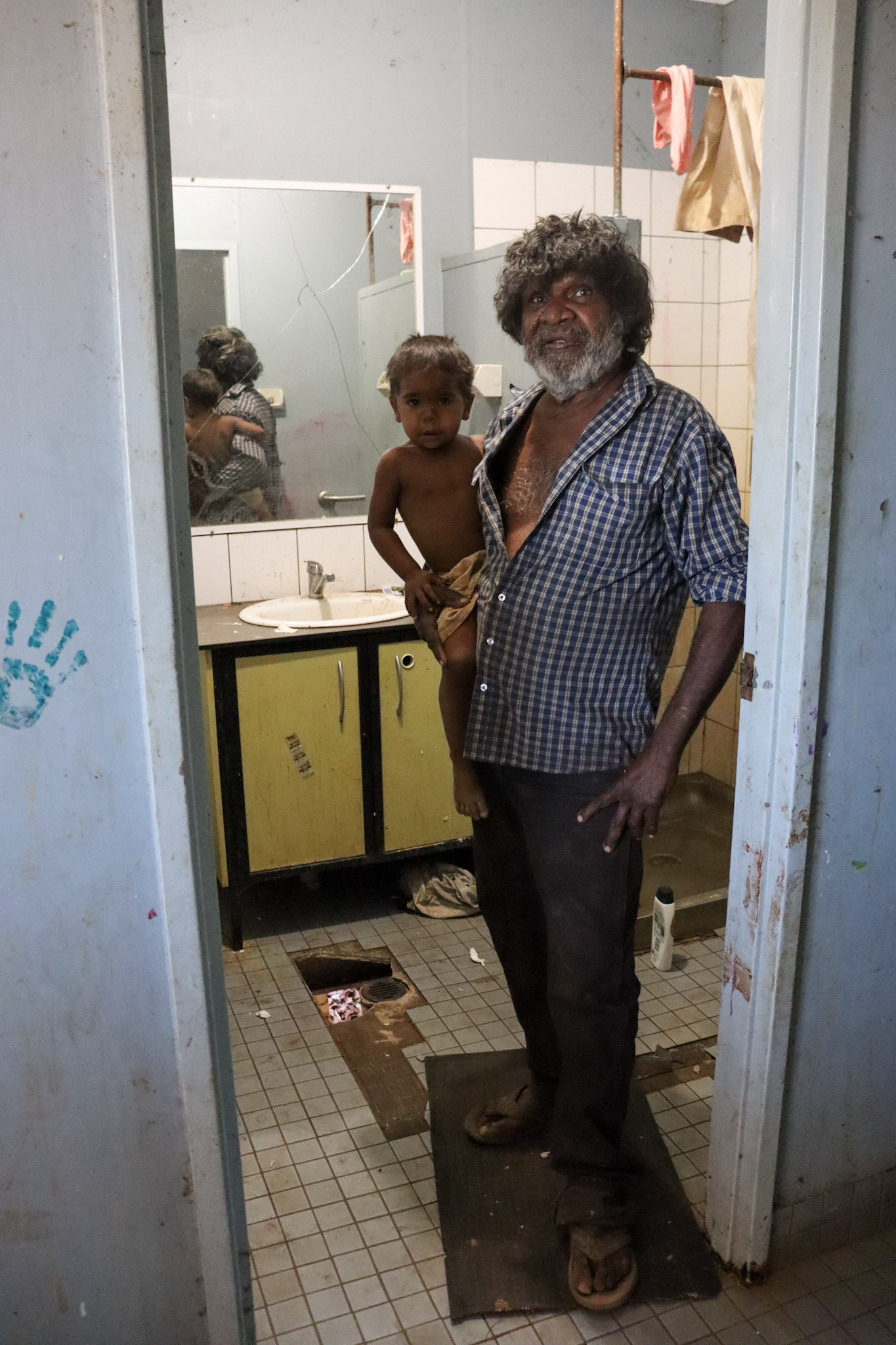
Walmajarri man Robert Lee lifts the iron mat from his bathroom floor, revealing a gaping hole that drops to the earth below.
In Ngurtuwarta, a small Aboriginal community 12 kilometres east of Fitzroy Crossing in Western Australia's Kimberley region, Mr Lee rents one of eight local properties managed by the Department of Housing and Works under an agreement with the community.
.jpg)
When his toddler grandson wanders into the room, he scoops him up to stop him from falling through the opening.
"I just worry about the kids, you know," he said.
Mr Lee said he reported the damage to the Marra Worra Worra Aboriginal Corporation (MWWAC) shortly after the December 2022-January 2023 Fitzroy Crossing floods.
Under the arrangement, tenants can report maintenance issues to MWWAC, which manages tenancies locally, before requests are handled through the Department of Housing and Works' (DHW) maintenance system.
MWWAC's head of housing, Brenton Makisi, told National Indigenous Times the request was passed to the Department of Communities, which then managed housing maintenance.
But no tradesmen ever came, according to Mr Lee.
The DHW did not directly respond to Mr Lee's claim that no tradesmen had attended the property, but said 66 work orders had been issued for the property identified as House 8 since September 2019, with none currently outstanding.
Mr Lee's case is not unusual.
A recent review by the WA Auditor General found the state's housing maintenance system plagued by delays, high costs and weak oversight.
Since 2015, maintenance in the Kimberley has been outsourced under a single contract to a privately owned housing maintenance company, Lake Maintenance.
Instead of calling a local tradie, tenants — or their community organisations — must report problems to Housing Direct, a government hotline.
Staff then log the fault, assign a priority rating, and issue a work order that sets the repair timeframe, the Auditor General said.
In theory, urgent repairs should be completed within a day or two.
But the review found "performance is below targets against priority 2 (urgent) at 74 per cent, priority 3 (priority) at 77 per cent and priority 4 (routine) at 72 per cent".
That means leaks, broken fittings or cracked floors often drag on well past deadlines.
Mr Makisi says the rigid approach allows small issues to grow into major ones.
"Because repairs aren't prioritised or completed to a high standard, you get a build-up of major issues ... now we're seeing floors falling apart," he said.
Tenants can face steep charges for simple repairs.
A tenant in Aboriginal housing in Fitzroy Crossing was recently charged $480 to change one lock, according to Mr Makisi.
"A local tradie could have done that in half an hour and charged $50," he said.
The Auditor General said the system is dominated by one-off callouts, with "up to 85 per cent of the cost of housing maintenance unplanned".
It warned, "Reactive maintenance is more expensive and less timely than planned maintenance".
Distance inflates bills further.
In Halls Creek, Mr Makisi says Lakes Maintenance has brought workers in from Broome, with travel costs charged back to tenants.
The audit found contractors were paid "from $1.50 to nearly $8 per kilometre" in regional travel rates.
That means the 685km journey from Broome to Halls Creek could cost up to $5480 just in travel.
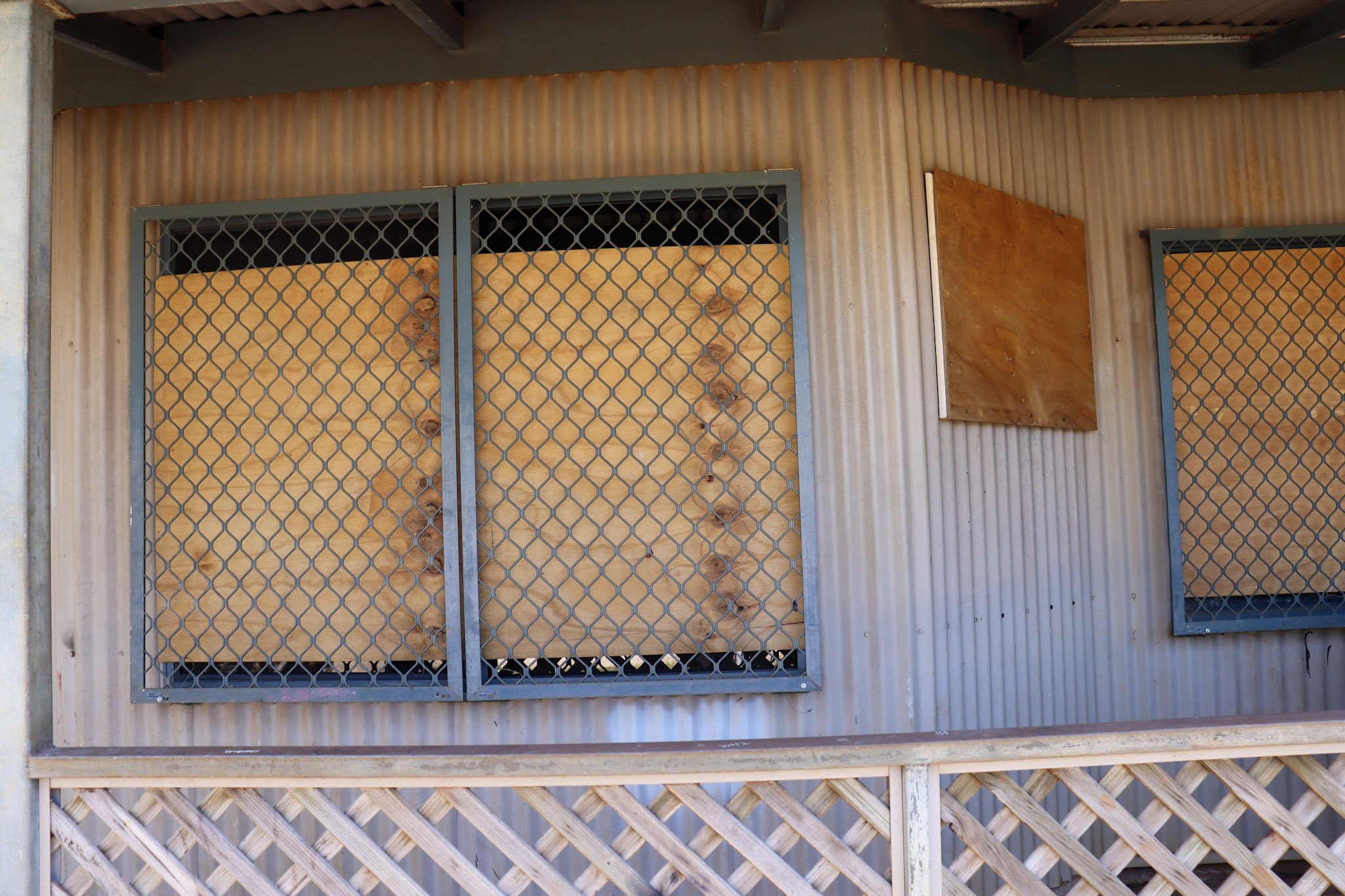
Oversight of subcontractors is minimal, leaving the government with little visibility over how maintenance is done, the Auditor General found.
It relies almost entirely on data supplied by the head contractors themselves, a system the Auditor General warned: "creates potential safety risks and contributes to delays".
Nearly a third of jobs checked were also billed above the agreed-upon rates.
Even when tenants move out, houses can sit empty for weeks.
The review found "only 51 per cent of vacant work orders" met the 14-day target, and it now takes about two weeks just to issue the first job after a tenant leaves.
Mr Makisi says poor workmanship compounds the problem.
"Massive issue across the whole region — you'll find taps still leaking because they just weren't tightened properly," he said.
The WA government says the challenges extend beyond the contract model.
Housing Minister John Carey acknowledged the difficulties, saying it remained hard to source skilled trades for remote areas, while rising construction costs since 2019 had hit both public and private rentals.
The DHW said it had identified improvements for future maintenance contracts, including stronger performance management, asset condition assessments, travel rationalisation and quality assurance.
But in Ngurtuwarta Community, Walmajarri Elder Josephine Forrest says it is tenants who pay the price.
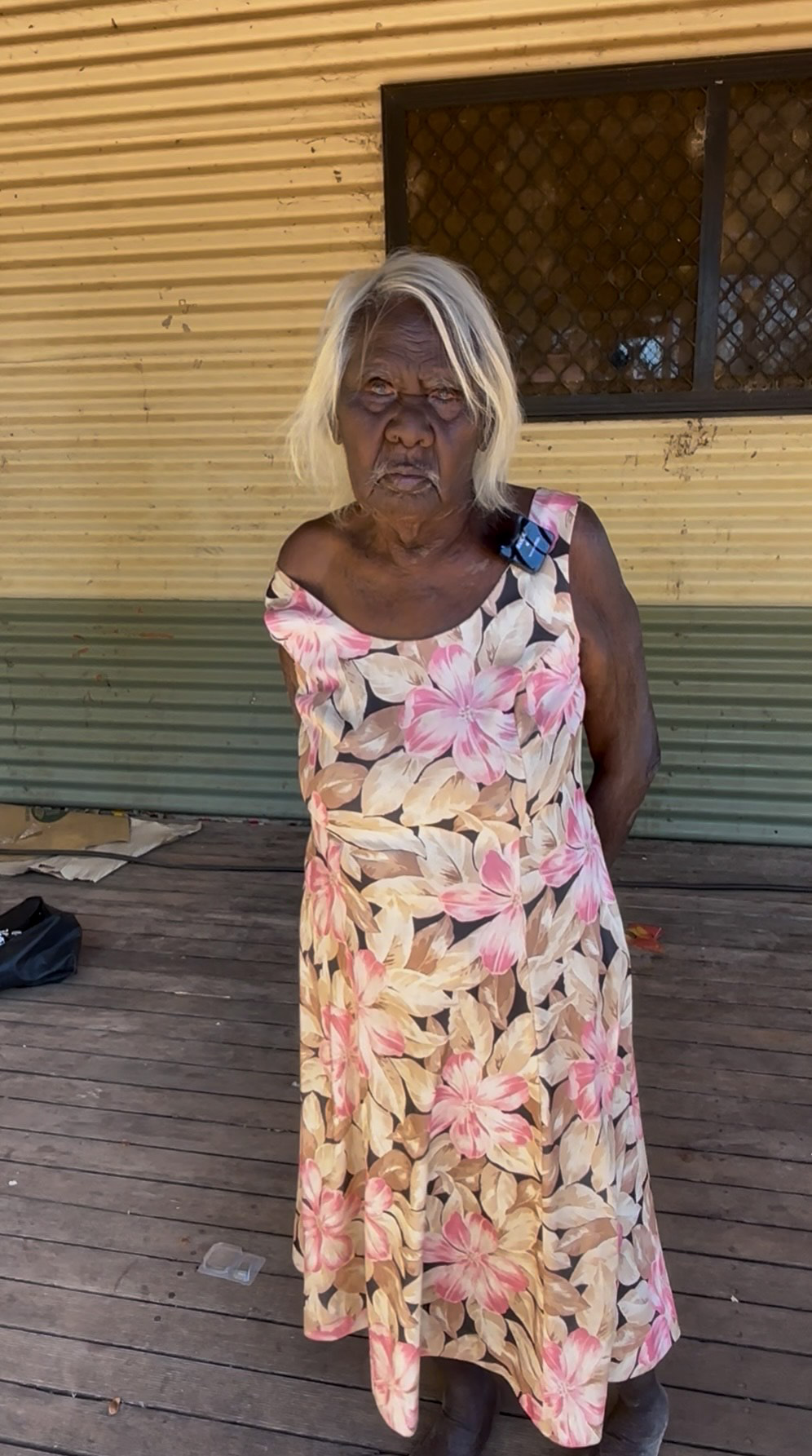
She points out cracks along the verandah of the home she has lived in since 1992.
Last month she was forced to leave because of its poor condition.
"It was a beautiful house," she said.
"But an outside leak caused mould."
MWWAC confirmed Ms Forrest had reported the leak, but she says no one came.
She is now staying with relatives.
In response, a Department of Housing and Works spokesperson said that 34 work orders had been issued for the property identified as House 3 since November 2019, with none currently outstanding.
Ms Forrest's housing situation exemplifies concerns raised by the Auditor General, who warned delays in maintenance can reduce available housing stock and "contribute to overcrowding".
Bunuba leader Patrick Green says the problems stem from the one-contract model itself.
"The one-contractor model took away our livelihood, ability to maintain our homes, and devalued Fitzroy Crossing's housing stock," he told National Indigenous Times.
Mr Green recalls a time before the model, when Aboriginal community-controlled organisations managed housing across the Fitzroy Valley and "when outsiders were not making money from our suffering".
"We used to have the power to create our own maintenance companies, with local people training to be workers," he said.
"That power is gone, and we are made to feel like welfare recipients again."
Until 2004, housing in the Kimberley was overseen by the Aboriginal and Torres Strait Islander Commission (ATSIC), which employed local tradesmen through Aboriginal organisations.
Liberal Prime Minister John Howard dismantled ATSIC, shifting responsibility back to state governments.
At the time he said, "the experiment in separate representation for Indigenous people has been a failure".
Patrick Davies, a former environmental health officer at Nindilingarri Cultural Health Service, says the effects are still felt.
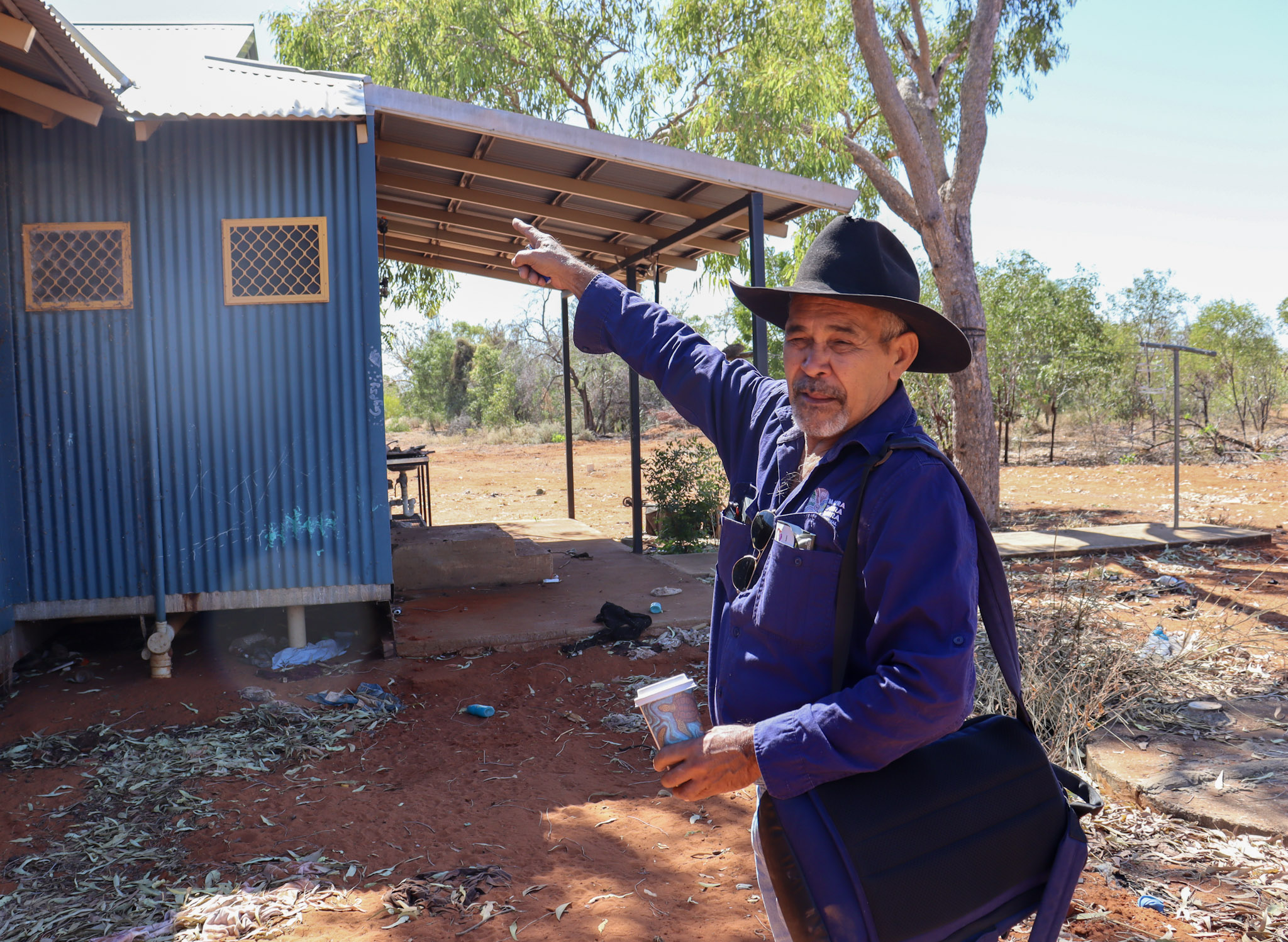
"Everything is interconnected, and it all starts with the home," Mr Davies said.
"I'm a grandfather, and I know the importance of a young girl having her own room. There are too many children across the valley who don't know what it's like to have their own bedroom," he said.
For Mr. Green, it is clear that housing should be transferred back to Aboriginal community control.
"Give us the chance to maintain our own houses and run our community, rather than feeding the fat cats outside of our communities," he said.