




Housing in the Northern Territory is about more than roofs over people's heads; It is about dignity, justice, culture, health and the right for Aboriginal people to remain connected to Country.
Those conversations will take centre stage next week as leaders from across the country gather on Larrakia Country for the 2026 Aboriginal Housing and Homelands Conference in Darwin.
Hosted by Aboriginal Housing NT, the two-day conference will bring together Aboriginal organisations, housing providers, community leaders, legal experts, researchers and government representatives under the theme "Aboriginal housing in Aboriginal hands".
Leading the conversation is Leeanne Caton, a proud Kalkadoon and Waanyi woman raised on Larrakia Country who has spent more than four decades working across Aboriginal affairs, housing advocacy and grassroots leadership.
Ms Caton's work has long focused on the social determinants of health, grounded in the belief that stable housing creates the foundation for stronger life outcomes, stronger families and stronger communities.
The conference program reflects those priorities, with sessions tackling homelessness, remote housing delivery, climate resilience, homelands policy, overcrowding and Aboriginal led housing solutions.
One of the most anticipated speakers is Dan Kelly, who will deliver a keynote examining the Remote Rental Framework and the findings of the Coronial Inquiry.
Mr Kelly's inclusion highlights the growing recognition that housing is deeply connected to justice outcomes across the Northern Territory. Overcrowding, poor living conditions and unstable housing continue to impact incarceration rates, family safety, health outcomes and community wellbeing, particularly in remote communities.
The intersection between housing and justice will also be explored by John B. Lawrence, who will present on the relationship between justice and housing during the second day of the conference.
The discussion comes at a time when many Aboriginal organisations are calling for a shift away from short term policy responses toward long term Aboriginal led solutions that place decision making and accountability back into local hands.
Also speaking at the conference is Ben Grimes, one of the Northern Territory's most respected advocates for culturally informed systems reform.
Mr Grimes has built a strong reputation nationally through his work in legal advocacy, language and communication, particularly around ensuring Aboriginal people are properly understood within legal and institutional systems. His presence at the conference reinforces the message that housing cannot be viewed in isolation from broader structural inequity.
The conference program also includes presentations on climate resilience in housing design, homelands development, Māori housing models, healthy homes, thermal comfort and the future of Aboriginal housing organisations.
Importantly, the gathering creates space for Aboriginal organisations themselves to lead those conversations.
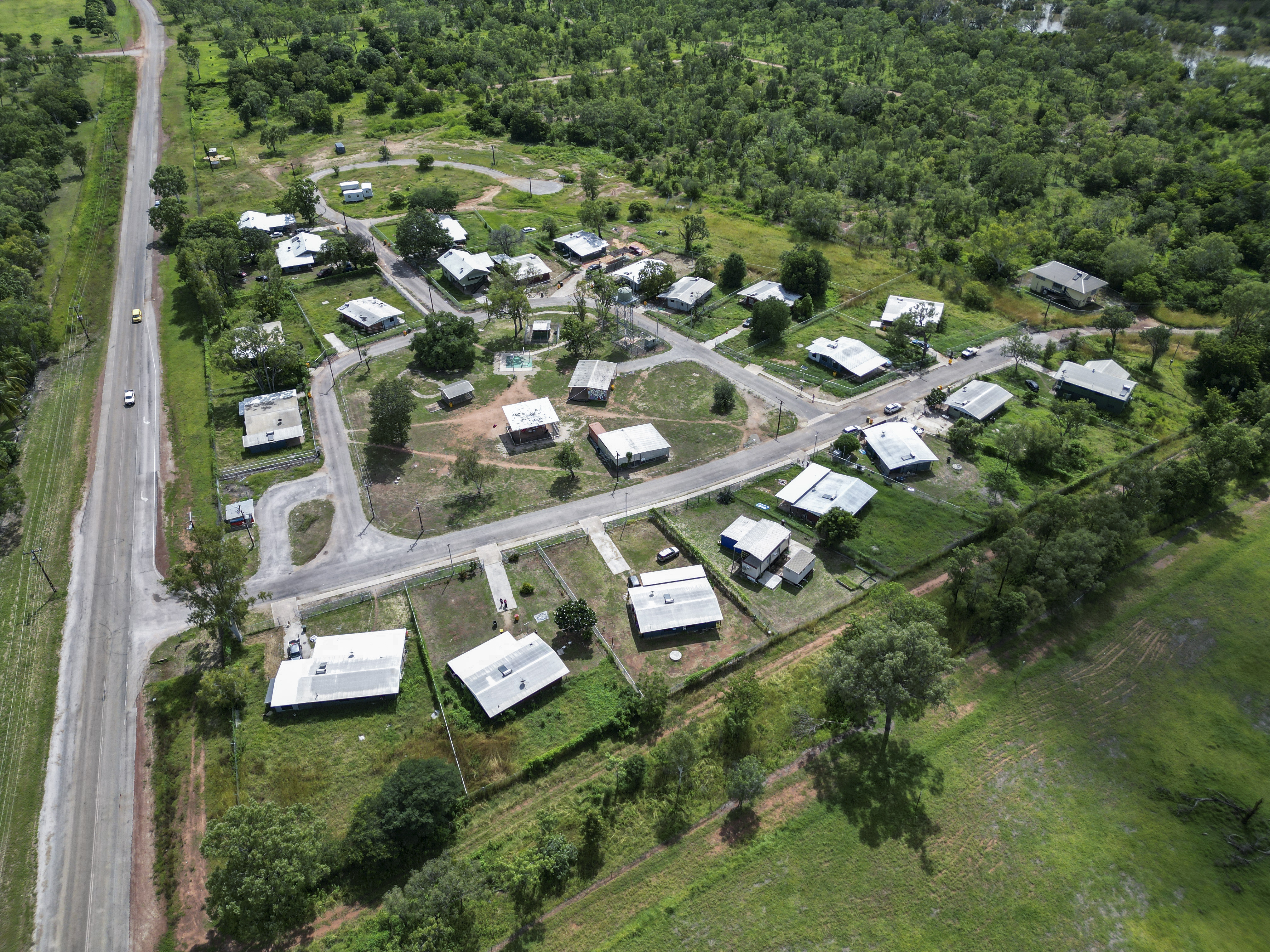
Across the Northern Territory, housing remains one of the most pressing social and economic issues facing communities. Remote construction costs, workforce shortages, ageing infrastructure and overcrowding continue to create significant challenges, while many homelands remain under resourced despite strong cultural and community importance.
For many delegates attending, the conference is about ensuring Aboriginal voices are not simply consulted but trusted to lead. That is reflected strongly through the conference theme and through AHNT's ongoing advocacy work pushing for greater investment into Aboriginal housing organisations and locally driven solutions.
Sessions exploring philanthropic investment, climate retreat planning, cultural hubs and homelands governance also point toward a broader conversation happening across the Territory about local authority, cultural knowledge and place based leadership.
As delegates gather on Larrakia Country next week, the message coming out of this conference is expected to be loud and clear.
Aboriginal people are no longer asking for a seat at the table when it comes to housing policy.
They are demanding the power to design it, lead it and deliver it themselves.
Because the future of housing in the Northern Territory will not be solved through another report sitting on a shelf in Canberra.
It will be shaped by people on the ground, by Aboriginal leadership, and by governments finally being willing to invest in solutions built with communities, not for them.



