




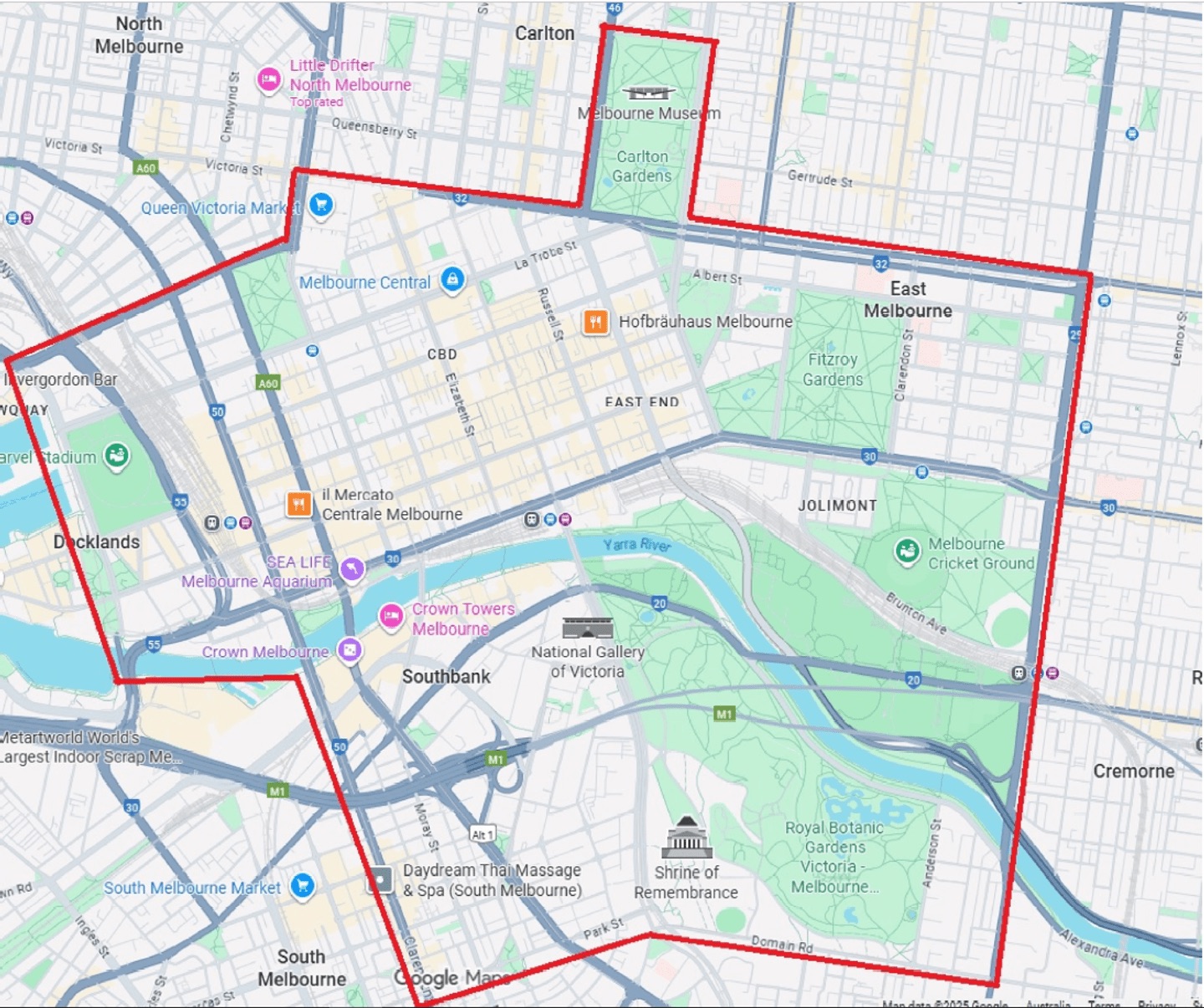
A legal and constitutional challenge has been filed in the Federal Court against Victoria Police's decision to declare Melbourne's CBD and surrounding suburbs a "designated area" for six months, with the two Victorians behind the case arguing the declaration raises serious concerns about "basic human rights and safety in our city".
Victoria Police announced the six-month designation last month, enabling officers to conduct warrantless pat-down searches across the entire CBD, and making it an offence to refuse a search.
Tarneen Onus Browne and Benny Zable have launched the challenge, arguing the declaration — criticised by legal groups and Independent Senator Lidia Thorpe — is invalid because it is not "necessary" to address any legitimate risk of weapons offences in the area.
They argue the declaration breaches the Victorian Charter of Human Rights and Responsibilities, including the rights to peaceful assembly, privacy, freedom of expression, and protection from arbitrary arrest and detention. They have called for the Federal Court hearing to be held before January 26.
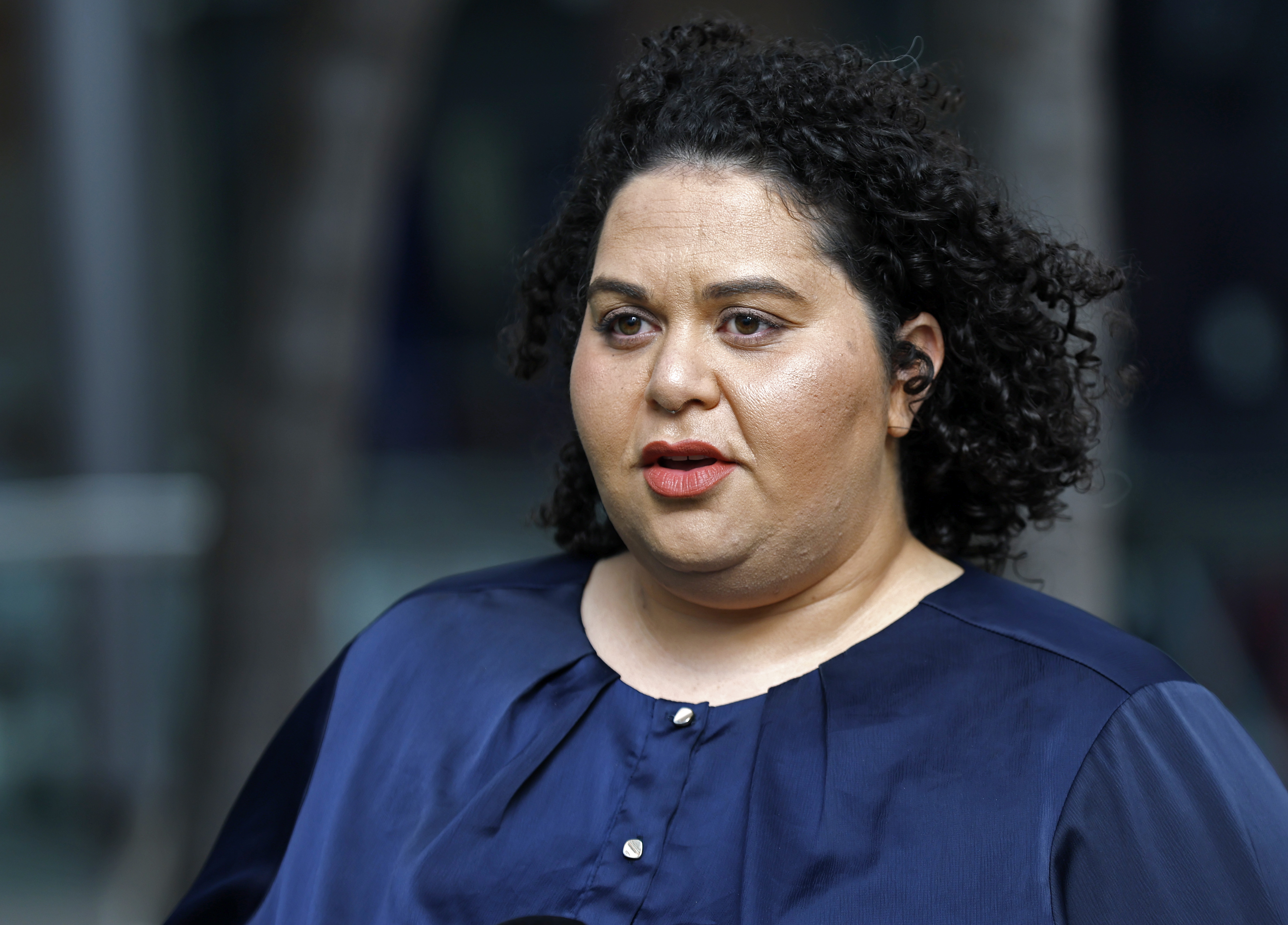
Onus Browne, a Gunditjmara, Yorta Yorta, Bindal and Meriam community organiser who regularly helps coordinate the annual Naarm protest on January 26, said they fear the new powers will affect "not just on Blackfullas, but on anyone who comes into the CBD".
"I've been organising the Invasion Day rallies for the last 10 years, and see this as our national day of protest, marking the stealing of our land and our ongoing resistance and survival," they said.
"What does it say that Victoria has just signed a Treaty but are now expanding the powers for police to harm us and stop us from speaking up about our history and resistance?"
Under the legislation, police may require a person to remove a face covering if they reasonably believe it is worn primarily to conceal identity or to "protect from the effects of crowd-controlling substances".
"A police officer may also exercise their power under the Act to direct you to leave the designated area if you refuse to remove a face covering," Victoria Police said last month.
Onus Browne said the powers will "supercharge the harassment and targeting of our community on this important day, and deter First Nations people and allies from showing up and exercising their right to protest".
"Every year we tell people to wear facemasks at Invasion Day to protect all of us from spreadable illnesses like COVID-19, especially disabled people and our Elders," they said.
"Empowering police to order protesters to remove their facemasks endangers us all."
Zable, 80, whose Greedozer costumes are held in the National Museum of Australia and Sydney's Powerhouse Museum, said he fears "police will now have more powers to use more violence against me, as well as other people who wear masks for all sorts of reasons, including vulnerable people".
"Police need to be trained in de-escalation and keeping people safe, not escalating and committing violence against protesters," he said.
"Victoria has a history of nonviolent actions for promoting peace. We should be showing an example to the world about how important it is to protect our human rights, protecting people and to heal trauma and the planet."
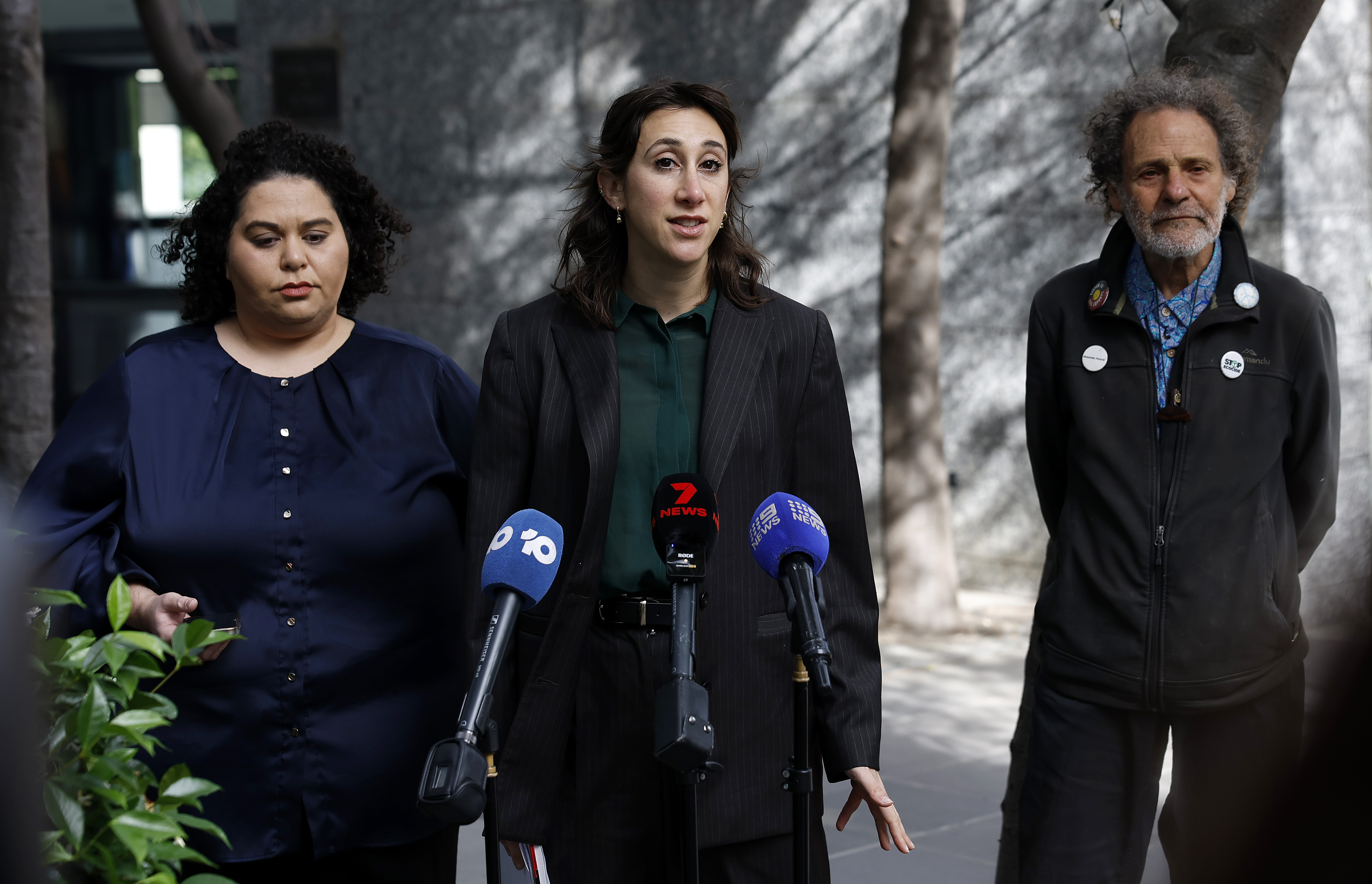
Their lawyer, Sarah Schwartz from the Human Rights Law Centre, said they are "proud" to represent both Onus Browne and Zable, arguing the case is about "pushing back against ever-expanding police powers in Victoria which make all of us less safe in our own city".
"The powers provided to Victoria Police within designated areas are extraordinary and ripe for abuses of power," she said.
Victoria Police said last month that the CBD is the first area to "receive this declaration for this length of time under the recent changes to the Control of Weapons Act".
"These operations are an invaluable tool in assisting police with removing weapons from the streets, as knife crime in Victoria has risen," a spokesperson said.
Last month, National Indigenous Times reported new data showing Aboriginal people are 15 times more likely to be searched by Victoria Police than Caucasian people, with First Nations groups arguing they are being racially profiled.
Victoria Police has emphatically rejected the accusation.



