


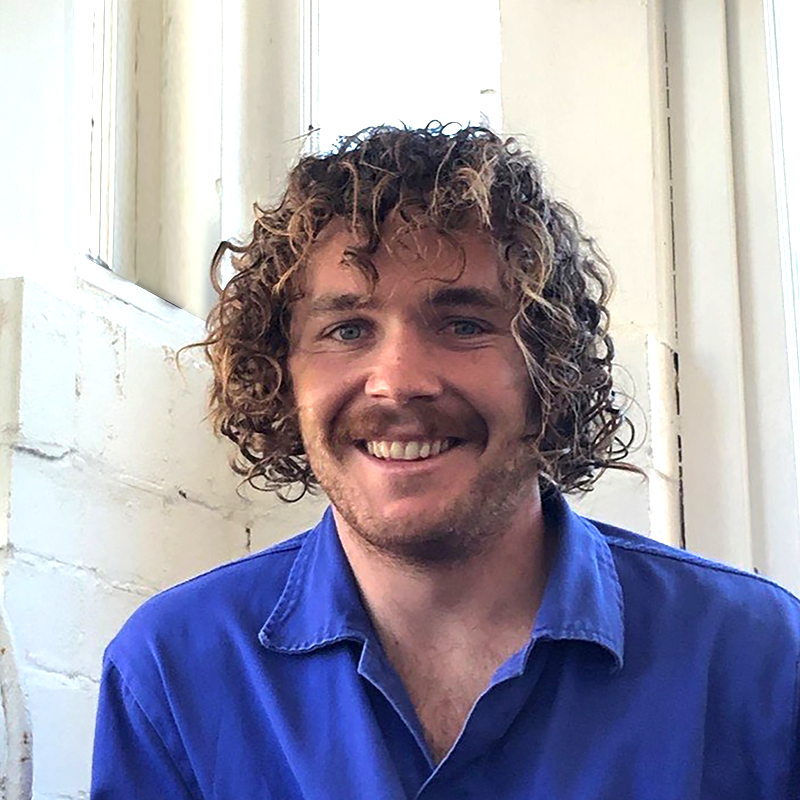

Amy Thompson was under 40, didn't smoke or drink and walked five kilometres a day when she suffered a stroke.
It was during her shift in the early hours of the morning when, mid-way through delivery procedures, she became the main attention of doctors at Macksville Hospital on the NSW mid-north coast in 2022.
When Ms Thompson woke up in a separate part of the hospital being monitored, her first thought was getting back to the job at hand.
Very quickly, she was transferred to Coff Harbour for a CT scan, then airlifted hours south to John Hunter Hospital in Newcastle for surgery after the blood clot in her brian was identified.
It required "quick thinking" by a doctor she had known for years, Ms Thompson recounted October 29, World Stroke Day.
"He just went white, like he'd seen a ghost, and he knew that I was having a stroke," she told National Indigenous Times.
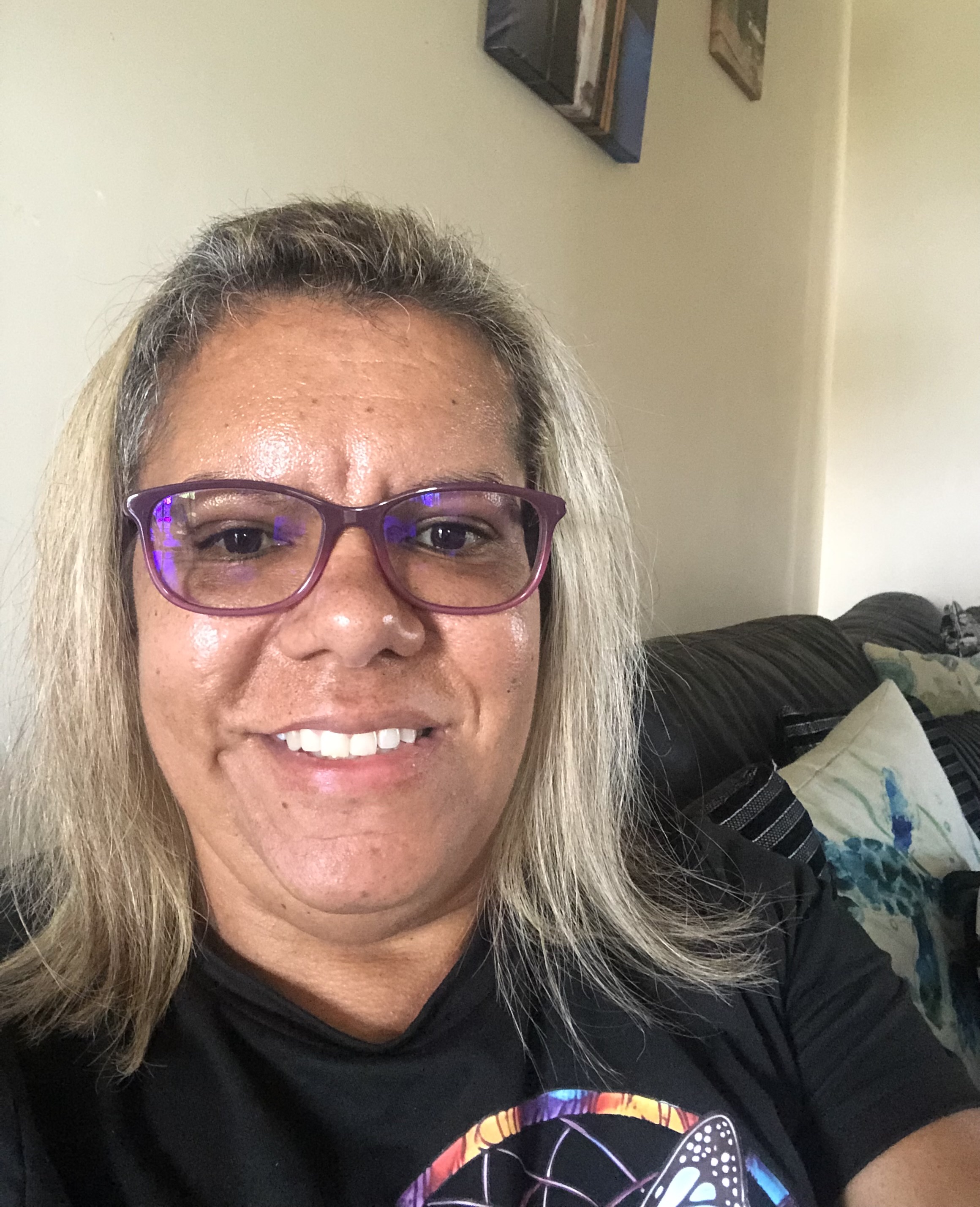
The emergency came out of nowhere, with no warning signs or family history, she said.
Ms Thompson currently works one day a week as a registered nurse with the local Durri Aboriginal Corporation Medical Service in Kempsey and said she engages in research with national charity the Stroke Foundation and Newcastle University.
She is otherwise fit and healthy now, she said.
In Australia, Aboriginal and Torre Strait Islander people are not only more likely to have a stroke, but also more likely to have one much younger.
Dr Angela Dos Santos is Australia's first Indigenous neurologist with specialities in the area.
"The risk factors for stroke include atrial fibrillation, hypertension, high cholesterol, diabetes. Prevalence of these conditions is typically much higher for Aboriginal and Torres Strait Islander Australians. If the risk factors are higher, the chance of stroke is higher" she told National Indigenous Times.
"And we know that the incidence is two-to-three times that of non-Indigenous Australians."
Dr Dos Santos, a proud Kwiamble and Gumbaynggirr woman, has completed research across regional and remote communities in a number of states and territories - where she says the disparities are more present.
For Aboriginal and Torres Strait Islander people under the age of 55 the stroke incidence rate is six to nine-fold higher compared to non-Indigenous people, Dr Dos Santos explained, as well as a 20-year difference - 50 years old compared to 70, in the average age of first stroke experience.
Current statistics referred to by the federal government's Australian Institute of Health and Welfare refers to a range of studies identifying significantly higher incidence rates among First Nations Australians, while acknowledging 'limited national information on the occurrence of stroke is available for the Indigenous population, with under-identification in hospital and death data and small case numbers often hampering accurate estimates'.
Despite the figures, Dr Dos Santos clarified "the causes of stroke don't vary. It's just the identification and treatment" also adding "the biggest barrier, probably, is the lack of knowledge of stroke signs and symptoms".
"We know that Aboriginal and Torres Strait Islander peoples might not be treated the same as non-Indigenous people, so they might not have their blood pressure checked when they see the GP, they might not get tested for high cholesterol or diabetes, and the reason they're not is probably because they're much younger," Dr Dos Santos said.
In general, the same various factors associated with the health gap - including living standards and access to health care, apply to stroke, she added.
She also makes note of concerning deficit narratives around stoke for First Nations Australians, and previous lack of appropriate ethics in research - which has largely been undertaken by non-Indigenous people.
"It's really clear that there are significant health inequities relating to stroke in Aboriginal and Torres Strait Islander peoples in Australia," Stroke Foundation National Manager, Inclusion and Priority Communities Simone Russell told this masthead.
"We would say in general, that the inequities are widespread across First Nations communities", said in reference to urban compared to remote living, despite some factors "in terms of access to life saving treatment, the access to hospital care and some of the challenges that come".
Ms Russell said 80 per cent of strokes are avoidable.
She and Ms Thompson expressed how crucial identifying the signs of stroke responding quickly are - pointing to a common tool for detention and action; FAST
F - Face drooping
A - Arm weakness
S - Speech slurred or effected
T - Time, call 000
Ms Thompson wants to see more education around her community, and for people to have their blood pressure and cholesterol checks.
"Strokes don't discriminate…It can happen to anyone," she said.
Dr Dos Santos sees community-led action as key to positive steps forward, as both a means of collecting data, education and prevention.
"It really needs to be community driven, and there needs to be people on the ground that are Aboriginal and or Torres Strait Islander, from those communities, that are asking the questions of community, what data they wish to share, and what do they want to see change, from a stroke perspective within their community," she said.
"That work is being undertaken, but that research is some years away."



