




A national outage which affected thousands of people's ability to access mobile services "fell short of what Australians rightly expect from us", Telstra's chief executive said last week, but for some in Indigenous and remote communities, similar outages are business as usual.
Last week, Telstra released Technology Audit Partners' (TAP) independent report into the telco's July 8 outage.
Detailed in the 10-page report, TAP found several technical and organisational reasons behind the outage, prompted by a failed network timings upgrade, including lack of expertise and oversight.
Thousands of Australians were left unable to make calls or access data during the national outage, with reports over 600 emergency calls failing to connect, businesses' ability to trade impacted, and some train services not able to function for a period.
After 12 hours, issues were "mostly resolved" Telstra said in a statement, with the telco also conducting its own welfare checks on its customers who were unable to make Triple 0 calls.
Separate interruptions earlier this year in one of the largest remote First Nations communities in the Northern Territory extended into months.
Telstra says a series of significant weather-related events between February and April, including flooding, in the NT's Daly River region created prolonged interruptions for Wadeye.
The community and surrounding areas experienced rolling outages over the period.
Historic flooding saw significant evacuations of communities across the top part of the NT, as well as disaster assistance packages.
Last month, the federal government announced more than $1 million in support for the recovery of Nauiyu/Daly River.
"The scale of damage experienced by the community has been immense. Homes, essential services and important community facilities were severely impacted, and recovery will take time," federal Minister for Indigenous Australians Malarndirri McCarthy said.
"These investments will support community-led recovery efforts, helping to restore critical community facilities, strengthen local services and rebuild places that bring people together."
For Wadeye, whose telecommunications coverage was impacted, NT Parliament member for Daly and Yaegl man Dheran Young told National Indigenous Times, an interruption like these "cripples the whole community".
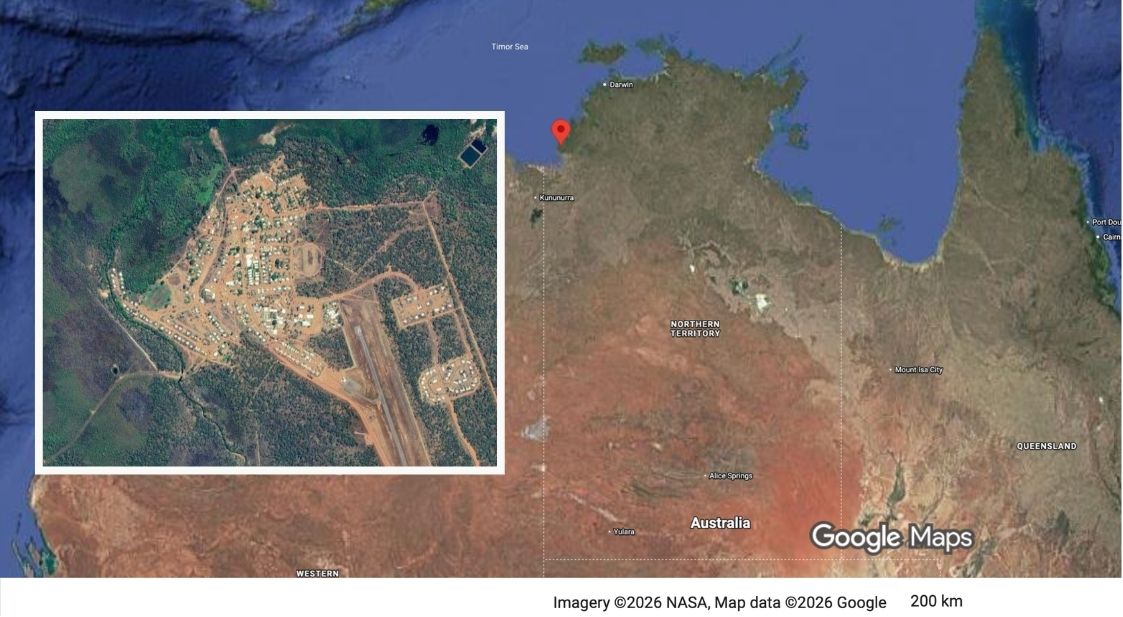
Extended telecommunications outages have also been experienced in other remote communities.
In 2024, the ABC reported Galiwin'ku, in East Arnhem Land, was losing reception overnight each night for around two weeks.
In parts of the Thamarrurr region earlier this year, including Wadeye, Peppimenarti, Nganmarriyanga (Palumpa) and surrounding homelands, people's lives were interrupted for weeks on end, Mr Young said.
Mr Young explained in Wadeye, during outages, people were unable to contact medical clinics during emergencies, or police when needed assistance, as aside from calls, welfare payments and other "day-to-day essential services that that communities rely on" were impacted.
Impact felt at the time extended to power connections, causing food security risks.
Mr Young feels if the same outages happened in a larger town or city, the response to fix it would have been completely different.
What happened in Wadeye was "completely unacceptable" and the lack of access to stable telecommunications was, he believes, "a breach of basic human rights".
Contingency plans or backup protections in place for Wadeye were not adequate, Mr Young said, and the community hasn't seen enough to give them any great confidence about contingency plans "to ensure that families are not left without power, food security, or access to medical care during these long outages" in future.
NT Minister for Corporate and Digital Development Joshua Burgoyne says instead of entering a "political blame game", the CLP Government, acknowledging the impact of interruptions in Wadeye and surrounds, if focused on seeing communities better prepared for similar circumstances.
He added action was taken to fast-track repairs among efforts made at the time.
Another Wadeye resident told National Indigenous Times practically the whole town transitioned to Starlink during the extended period of interruptions.
Mr Young called on Telstra, the NT Government and Federal Government to sit with Wadeye community members to hear what went wrong and understand the impact of the outages.
"We know how important reliable connectivity is for people in remote communities and understand the impact that extended disruptions can have on individuals, families, businesses and essential services," a Telstra spokesperson told National Indigenous Times.
"In this case, the prolonged disruptions were not the result of a single fault, but a series of significant weather-related events across the Daly River region between February and April.
"Extreme flooding caused fibre damage, power outages and storm-related impacts, while community evacuations in areas including Palumpa and Daly River led to the local power grid being shut down, affecting the transmission path servicing Wadeye.
"The flooding created extraordinary challenges for restoration efforts, with critical network infrastructure submerged and some sites inaccessible by road or air for extended periods due to floodwaters, damaged access routes and hazardous conditions."
Telstra deployed specialist crews and restoration resources, including some by helicopter, as soon as safe to do so, the spokesperson said, and the telco worked with government agencies, power authorities and infrastructure partners in their service restoration efforts.
Satellite services were available during the interruptions, and Telstra activated disaster assistance measures to support affected customers, the spokesperson added.
"While no network can be completely immune to extreme weather events of this scale, we are focused on continuing to strengthen the resilience of our network and improving how we respond when issues occur.
"Since the event, we have been reviewing a range of measures to further strengthen connectivity in the region, including a direct fibre path into Wadeye that would bypass equipment at Palumpa, satellite transmission backup options and broader infrastructure resilience improvements."
This publication understands a community town hall meeting was held with attendees from Telstra, the local council, emergency and healthcare services personnel and public to give updates during the outages.
Minister Burgoyne told National Indigenous Times: "We recognise the impact these outages had on Wadeye and surrounding communities during one of the Northern Territory's largest and most unprecedented wet seasons on record".
"We are not interested in looking backwards or turning this into a political blame game - our focus is on making sure communities are better prepared and better supported if an incident of this scale happens again," he said.
"Action was taken to address the issue - drones were used to monitor the site and assess flood levels and damage, we worked with Telstra to fast-track repairs when it was safe to do so, and deployed Starlink devices to Wadeye to help keep residents connected while restoration work continued.
"We will continue working with the Federal Government, Telstra, and affected communities to strengthen telecommunications resilience and contingency planning to reduce the risk of extended outages in the future, while advocating for the telecommunications services our remote and regional Territorians need and deserve."

Telecommunications sits in the jurisdiction of Federal Government.
A spokesperson for the Federal Department of Infrastructure, Transport, Regional Development, Communications, Sport and the Arts said the Federa Government is progressing the Universal Outdoor Mobile Obligation (UOMO) to boost communications connectivity across the country.
UOMO will require Telstra, Optus and TPG "to make baseline outdoor mobile coverage (SMS and voice calling) reasonably available on a national basis", the spokesperson said, with framework legislation currently before Parliament.
"The Australian Government recognises how vital communications services are to remote communities, whether in everyday life or during an emergency," they said.
"Communications outages cause significant disruptions to residents and businesses, and we expect telcos to work with communities to restore service as quickly as they can.
"While no infrastructure is completely immune to outages, especially when natural disasters are involved, the Government is continuing to invest to ensure that communities can stay connected when they need it most.
"Through the Strengthening Telecommunications Against Natural Disasters initiative, we've funded NBN Sky Muster services at a number of community evacuation and emergency gathering sites in Wadeye, Peppimenarti and Nganmarriyanga, providing free Wi-Fi to communities affected by natural disasters, so they can stay connected and informed."



