


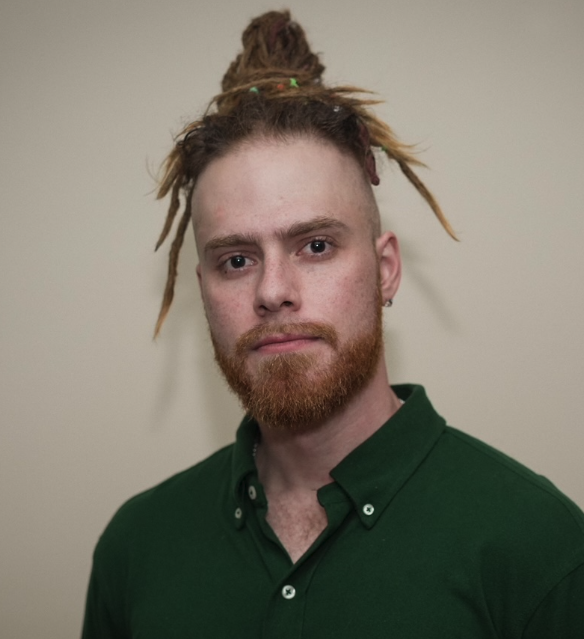

Women in Wadeye, Northern Territory, are calling for the Port Keats Road to be sealed, noting year-round access would improve health care, freight, food supply, essential services and the ability for families to return to Country.
The call is being led through the Wadeye Women's Centre and the Thamarrurr Aboriginal Women's Council, where women have been raising concerns about isolation, overcrowding and limited access to services.
Annunciata Wilson, from neighbouring Peppimenarti community, said sealing the road was one of the most urgent needs for the region.
"We have many urgent priorities, but sealing the Port Keats Road would make the biggest difference right now to all our communities," Ms Wilson said.
The Port Keats Road is the main road connecting Wadeye to the outside region.
During the wet season, it can close for months, limiting movement and disrupting services.
Christine Tchemjiri said sealing the road would create practical change for the community.
"It is achievable," Ms Tchemjiri said.
"And it would unlock many opportunities for our communities."
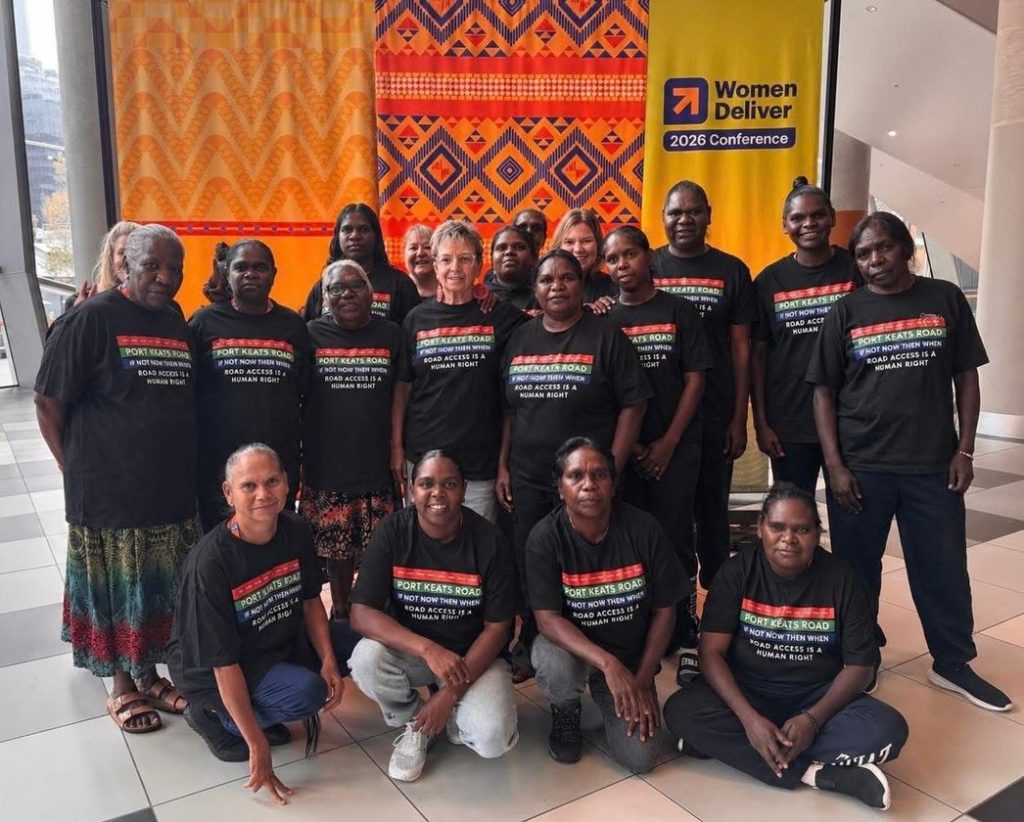
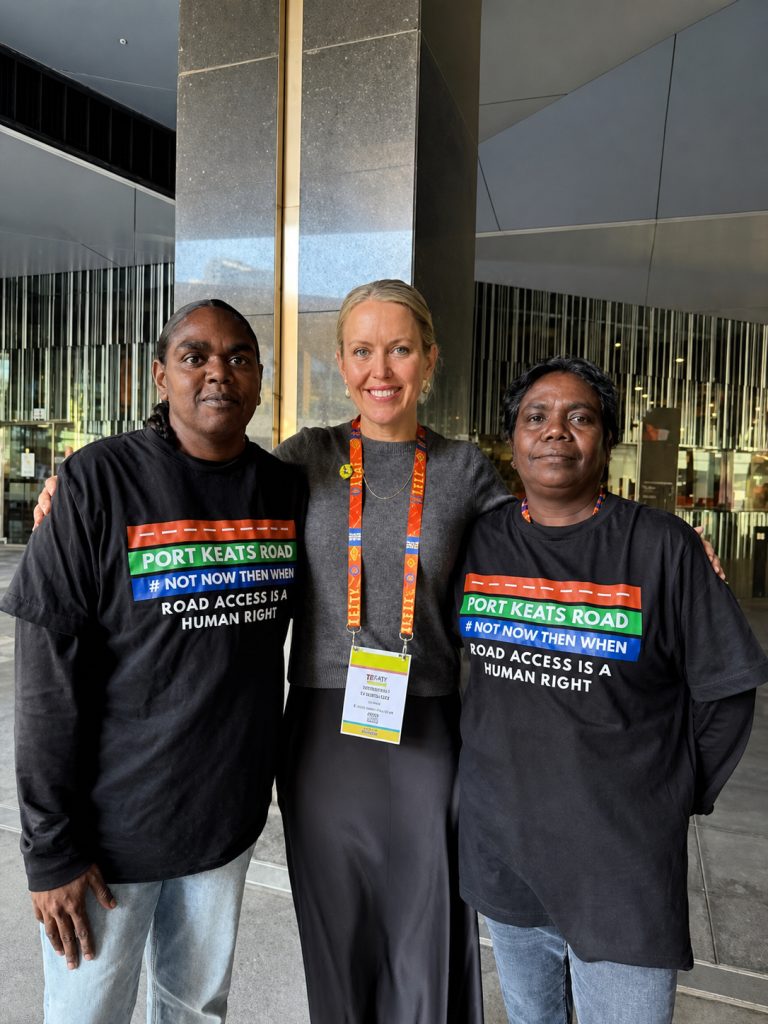
The women recently travelled to Melbourne for the Women Deliver Conference, where they met human rights lawyer Jennifer Robinson and continued their advocacy outside Wadeye.
Their message is that the road is not only about transport but access to health care, food, supplies, trade services, family and Country.
Ms Tchemjiri said year-round access would reduce pressure on the community.
"Year-round access would allow trades and essential services to come in more easily," Ms Tchemjiri said.
"It would reduce the high cost of freight and improve access to food, health care, and supplies."
The women say housing must also be addressed, with about 200 new homes needed to reduce overcrowding in Wadeye.
They say sealing the road would support freight, construction, essential services and movement between communities and homelands.
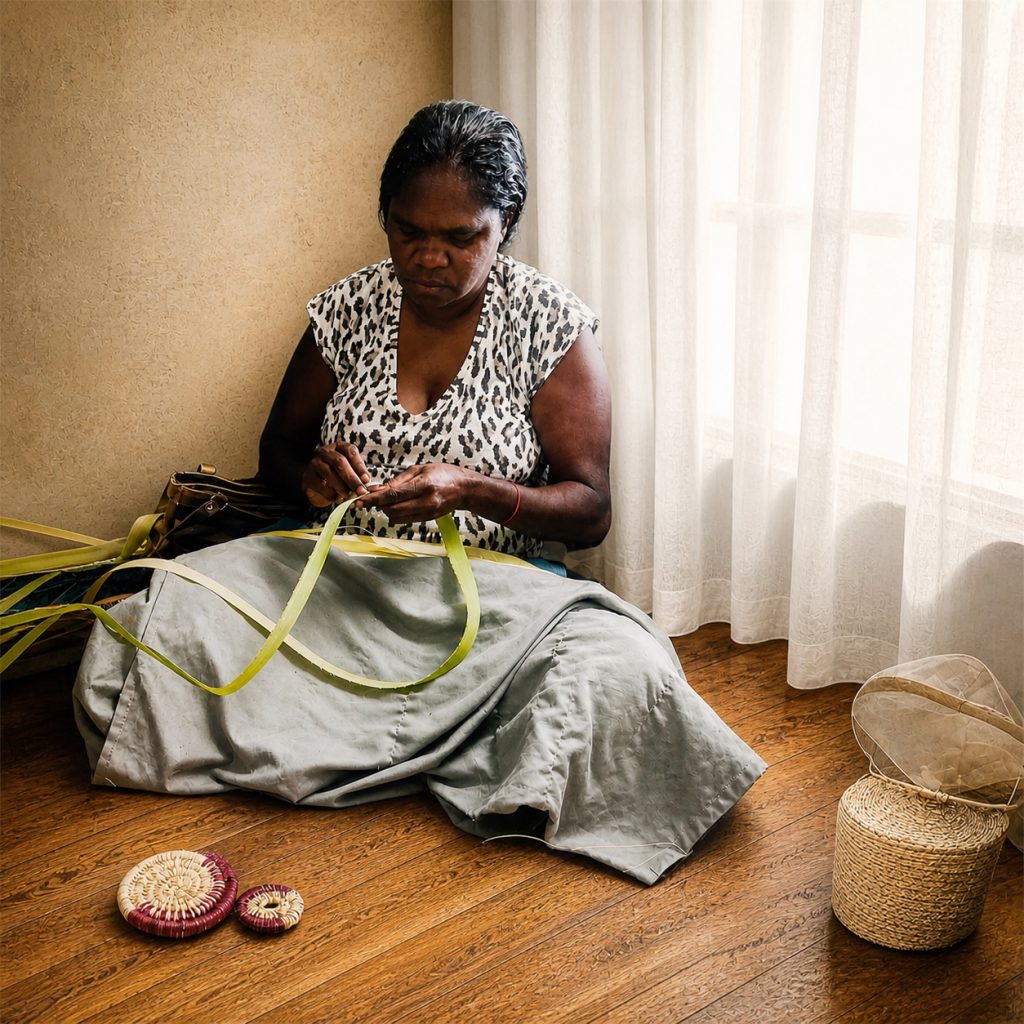
Alice Kungiung, who runs weaving workshops at the Wadeye Women's Centre and works as Activity Coordinator, said overcrowding was affecting families every day.
"Everything builds up," Ms Kungiung said.
"People don't get proper sleep. When you are tired, it is hard to go to school, hard to focus, hard to keep a job."
Ms Tchemjiri said those pressures can flow into wider social issues.
"It creates stress, frustration and tension," Ms Tchemjiri said.
"That pressure can lead to conflict and violence."
Wadeye has experienced periods of unrest in recent years, but women in the community say those incidents are connected to deeper pressures including overcrowding, limited opportunities and lack of infrastructure.
Ms Kungiung said women, children and young people were often most affected.
"Women and children feel this most," Ms Kungiung said.
"Young people grow up seeing these challenges, and without change, the cycle continues."
The women say the solution must be shaped by culture, local leadership and the ability for families to live on Country.
Ms Wilson said culture remained central to the way forward.
"Our culture is our foundation," Ms Wilson said.
"It keeps us connected to Country, which we see as our mother."
The Thamarrurr region includes more than 20 clans across four main ceremonial groups, Wangga, Lirrga, Wulthirri and Tharnpa.
The land is held under the Daly River Port Keats Aboriginal Land Trust on behalf of Traditional Owners.
Thamarrurr, from the Murrinhpatha language, means "coming together to work as one people".
The women say Elders have long called for families to be supported to live on their own Country rather than being concentrated in one place.
Ms Wilson said those concerns had been raised for decades.
"For more than 20 years, our Elders have said that building suburbs and overcrowding people would not work," Ms Wilson said.
"They wanted families to live on their own Country."
Ms Kungiung said technology had changed what was possible for services on Country.
"The technology exists today," Ms Kungiung said.
"Health care and education can reach people on Country. What is missing is the political will to listen and act."
According to them, no minister has visited Wadeye since the current government was elected.
Ms Wilson said partnership required direct engagement with the community.
"Real partnership means sitting with us, listening to us, and taking action on what we are asking for," Ms Wilson said.
"It is not just consultation. It is respect, trust and follow-through."
Thamarrurr Development Corporation Deputy CEO Tracy Leo said the Women's Council had shown strong leadership in pushing for change.
"I'm incredibly proud of the Women's Council and the strength they show every day," Ms Leo said.
"They are standing up for their community, for their families, and for future generations. This is not just about a road, it's about connection. It's about giving people a safe way home, back to Country and Kin."
The women say their priorities are clear: a sealed road, safer housing and support for families to return to Country.
"A road is not a pathway away," they said.
"It is a pathway home."
Original Reporting by Tom Hearn.



