




A focus on bringing down the number of children being removed from their homes and families, and stronger leadership on helping close the gap are among the expectations for Indigenous people after Saturday's election.
In the wake of Labor's clear electoral victory, Indigenous organisations and experts have urged the government to do more, as the rates of Indigenous incarceration, both adult and children, suicide, and children in out-of-home care (OOHC) continue to rise.
While Labor's acknowledgment of the need for Indigenous-led responses in closing the gap was broadly welcomed by peak bodies during its first term in government, no jurisdiction across the country made serious strides in closing the gap via legislative changes.
Lead convenor of the Coalition of Peaks, Pat Turner, said there was an expectation for "stronger leadership from the second term of the Labor Government when it comes to the National Agreement on Closing the Gap".
"Juvenile justice is going backwards. Adult incarceration is going backwards. Housing is going backwards," the Gudanji-Arrernte woman said.
In many instances, states and territories implemented laws experts said would actively contribute to the gap widening.
Queensland, the Northern Territory, Victoria and NSW all introduced laws within the last 12 months that will likely see more First Nations people - especially children - incarcerated. Despite outrage, calls for the Commonwealth to do more to put pressure on these jurisdictions seemingly fell on deaf ears.
Furthermore, the decision earlier this year by the Labor government in Victoria to strengthen bail laws - despite a lack of evidence it will increase community safety - was seemingly welcomed by the Prime Minister, even after Premier Jacinta Allan admitted the laws would see more people spend time in prison on remand.
It highlighted a startling disconnect between an often-genuine desire to close the gap and the political reality, whereby governments regularly make decisions based on focus groups and media sentiment rather than expert opinion.
Ms Turner said a large-scale change is needed.
"What the Coalition of Peaks want is structural change within government," she told National Indigenous Times.
"In terms of the way they work with our communities at the regional level, the local level, the state level and national level in shared decision-making partnerships, and to transform their own institutions so that they are safe places for Aboriginal and Torres Strait Islander people to interact with, and respectful of our culture."
No more is this evident than in the continual removal of Indigenous children from their homes. The latest data shows nearly 24,000 First Nations children were in at least one OOHC placement in 2023-24—over 43 per cent of all children Australia-wide.
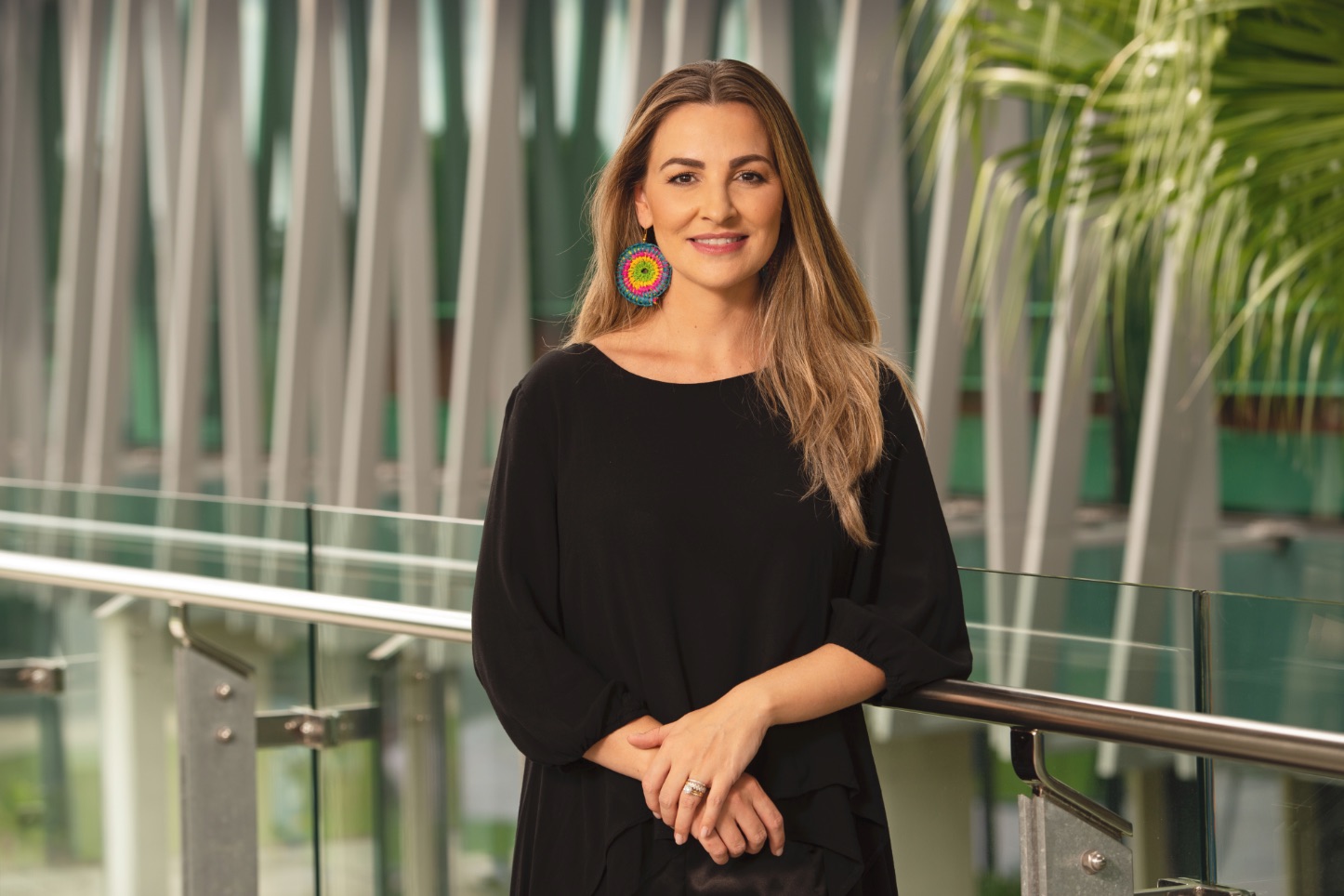
For Wiradjuri woman and Associate Professor of Indigenous Education at the University of Melbourne, Jessa Rogers, the high rates of Indigenous children in OOHC is a "crisis that can no longer be ignored".
"The government must move beyond removing children and focus on preventative measures that support families before crises occur," she told National Indigenous Times.
"This includes providing resources to keep families together and ensuring child protection services are culturally sensitive."
While the child placement principle highlights these core requirements, it is often overlooked; in the NT, the government has even expressed a desire to give judges the ability to bypass it completely.
"When removal is unavoidable, the priority should be to place children with extended family or within their communities to maintain cultural connections," Dr Rogers said.
"Investing in community-led solutions that prioritise family support and cultural safety is key to breaking the cycle of trauma affecting Indigenous children."
While culture wars, including attacks on welcome to Country, dominated the final days of the election campaign, arguments from conservatives, including Jacinta Nampijinpa Price, that indoctrination in the education department was rife, still permeated.
Reforming the way First Nations children are taught has been advocated by Indigenous bodies, but rather than through a culture war lens, through one of cultural safety.
Dr Rogers said education and the need for "significant" changes to ensure Indigenous students have "every chance to succeed and achieve their goals and dreams" was vital.
These include reforms for boarding schools to ensure they are providing critical support for Indigenous students, and more Indigenous teachers and "culturally relevant education".
"The Australian education system must be reformed to better reflect the needs of Indigenous students," she said.
"This includes requiring teachers to demonstrate they are safe and have the knowledge and skills to create culturally safe learning environments no matter how many Indigenous students they teach."
The startling disconnect between the two major parties on Indigenous affairs was evident in their mantras during the election campaign: one through Indigenous-led reform and one through audits and a crackdown on "wasteful" spending.
While Labor's sizeable victory arguably ensures a mandate to govern the way they have advocated in the Indigenous affairs portfolio, namely through increased economic participation and supporting peak bodies to help close the gap, it remains to be seen if that rhetoric will be backed by tangible actions.
For Dr Rogers, addressing the issues of education reform and OOHC goes beyond closing the gap, but rather is about "ensuring Indigenous children can thrive, stay connected to culture, and thrive in their communities".
"This next government has a chance to make meaningful, long-lasting changes that will create a more self-determined future for Indigenous youth," she said.
Often seen as the face of Indigenous-led responses to closing the gap, Ms Turner and the Coalition of Peaks have been at the forefront of advocating for the kind of responses Labor have shown their willingness to implement.
Nevertheless, they say the role of the government this term is even more stark.
"Get rid of racism, get rid of the systemic poor treatment of our people. And that's the sole responsibility of government," Ms Turner said.



