




After the damaging impacts on the mental health of First Nations communities during the Voice referendum, Indigenous leaders and mental health experts are calling on politicians and the media to adopt "respectful, inclusive language" during the federal election campaign.
During the Voice campaign, Indigenous mental health service 13YARN reported a 108 per cent increase in callers reporting abuse, racism, and trauma between March and June 2023, with the overall number of callers dramatically increasing in the lead-up to the referendum.
Claims riddled with mis- and disinformation from media personalities helped to amplify abuse for First Nations people, which has reared its head again in the lead-up to the federal election.
Gamilaroi/Gomeroi man and Director of First Nations Strategy at Black Dog Institute, Dr Clinton Schultz, said "more than ever," it was important commentary in the media and from politicians was "accurate, respectful, and mindful of the social and emotional wellbeing of First Nations communities".
"We saw firsthand the negative impacts of the Voice debate – increased psychological distress, a growing need for support, and a heavier burden placed on mental health services," he said.
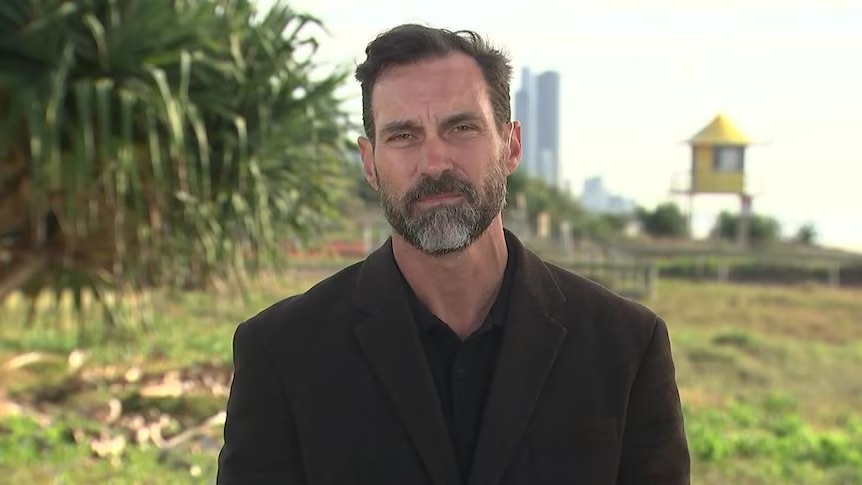
Noting the tone of public discourse matters, Dr Schultz added: "Respectful and inclusive discourse reduces harm."
"Divisive commentary fuels distress. As we enter another election cycle, leaders in politics and media must recognise the weight of their words."
Research during the referendum from the National Centre for Aboriginal and Torres Strait Islander Wellbeing Research at the Australian National University found that Indigenous people were experiencing extra sources of stress, increased racism, and "division and conflict" between some Indigenous and non-Indigenous communities.
"I go onto social media, and I see people debating … It's like who I am inside is the debate. It almost feels like entertainment for other people … It's a direct attack on who I am as a person and how I relate to my world and family which, I think, is the part that people don't really understand," one respondent said.
The Respectful Election Guidelines have been co-developed by the Australian Indigenous Psychologists Association (AIPA), Indigenous Allied Health Australia (IAHA), Gayaa Dhuwi (Proud Spirit) Australia, Thirrili and Black Dog Institute, and offer a framework to guide debates involving First Nations concerns.
The organisations are calling on all politicians to adhere to the principles throughout the election campaign to ensure the public discourse doesn't harm First Nations Social and Emotional Wellbeing (SEWB).
"Election reporting should inform, not inflame," Dr Schultz said.
The guidelines call on politicians to:
• Set the standard for respectful debate by engaging with respect, patience and remaining open to diverse viewpoints and Indigenous perspectives.
• Promoting truth and honesty by sharing accurate information, correcting misinformation, and avoiding stereotypes.
• Prioritise wellbeing by recognising the potential impact of words and actions when discussing issues related to Indigenous peoples.
• Fostering unity by encouraging conversations that bring people together.
• Lead by example by demonstrating leadership in upholding these principles.
For journalists, the Good Yarn Guidelines call for:
• A challenge to deficit narratives by avoiding framing situations that perpetuate disadvantage without acknowledging solutions.
• Using respectful and precise language by ensuring correct terminology, culturally appropriate wording, and recognising the diversity of First Nations peoples.
• Prioritise First Nations voices by seeking perspectives from a range of Indigenous experts, leaders, and community members rather than speaking on their behalf or reusing the same spokespeople.
• Be trauma-aware by recognising that divisive rhetoric can amplify distress discrimination.
• Follow ethical guidelines by adhering to best-practice reporting standards, especially in areas such as mental health, incarceration, and suicide prevention.
"There is an opportunity to either perpetuate division or drive meaningful dialogue," Dr Schultz said.
"Let's ensure First Nations' issues are covered ethically, accurately, and with cultural responsiveness this election season."
13 YARN (139276)
Brother to Brother crisis line (1800 435 799)
Kids Helpline (1800 55 1800)



