




The National RAP Conference 2024, held in Meanjin (Brisbane) this week, gathered leaders and organisations committed to advancing reconciliation under the theme Now More Than Ever.
This year's program features discussions on pressing issues like truth-telling, with a series of plenaries and breakout sessions focused on addressing Australia's historical injustices against Aboriginal and Torres Strait Islander people.
One session on truth-telling saw representatives from Telstra, the ABC, and the City of Melbourne discuss their organisations' roles in truth-telling initiatives and their commitments to acknowledging past harms.
Each speaker shared insights on their organisation's journey toward truth-telling, aiming to deepen public understanding and accountability.
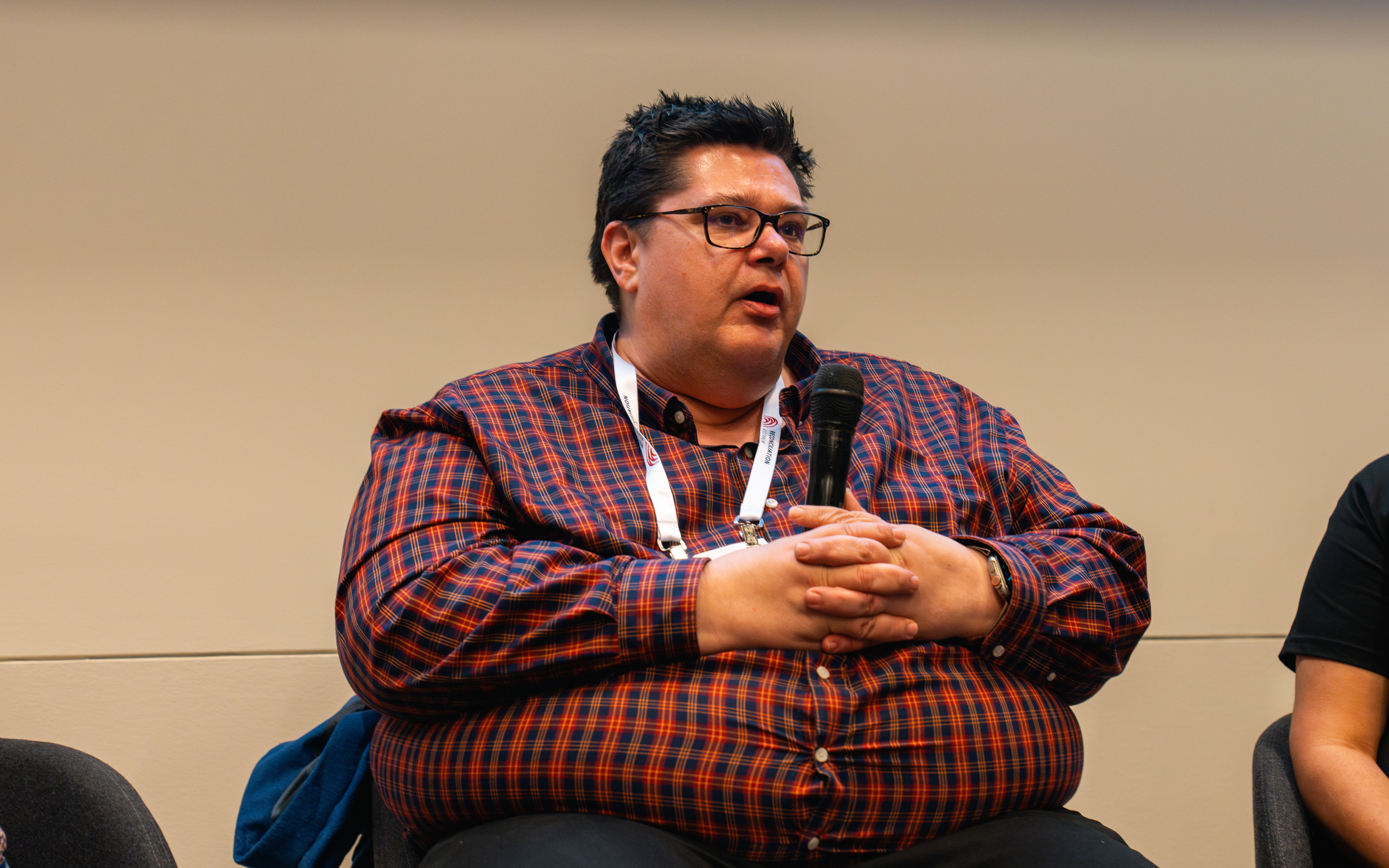
Mr Jason Eades, Director of Aboriginal Melbourne, highlighted the City of Melbourne's work to honour and acknowledge the experiences of Aboriginal Victorians, including the creation of a marker to commemorate the Stolen Generations.
"For some time now, our community has said to us, 'we want to know more about our Traditional Owners, and we want council to do more'," Mr Eades said.
Mr Eades emphasised that truth-telling has been central to Melbourne's reconciliation efforts, especially given the city's foundational role in the colonisation of Victoria.
"The city of Melbourne existed before the State of Victoria, which means we played a role in the colonisation of the state," he noted.
In 2016, community consultation led Melbourne City Council to take steps toward truth-telling and treaty advocacy.
"We want to get it right and right for the Traditional Owners," Mr Eades said.
A significant initiative from Melbourne City has been the interactive map, which allows users to explore Melbourne's Aboriginal history.
"We built this interactive map, which lets you rewind time," Mr Eades said.
"As local government, we are closest here to people within our municipalities."
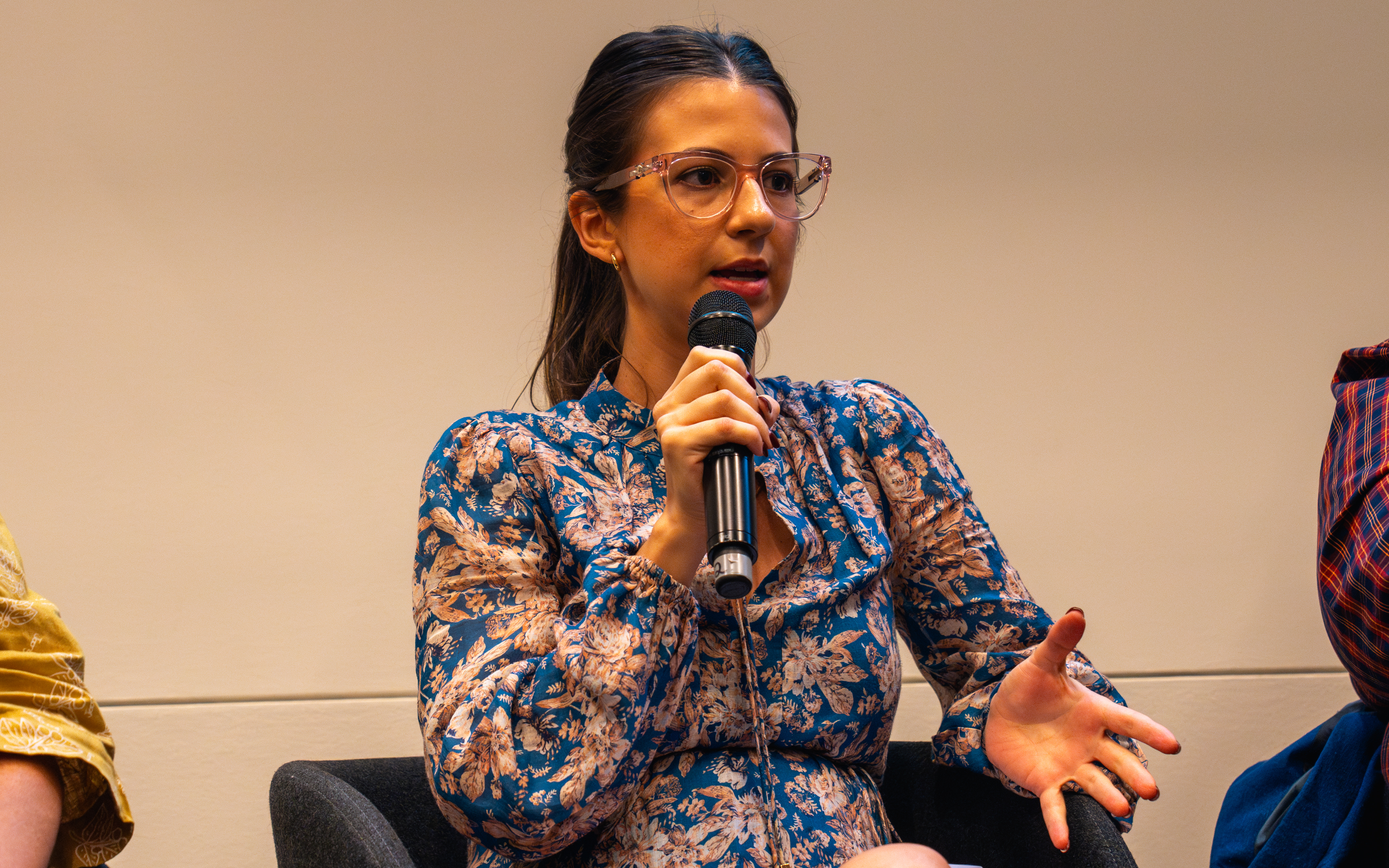
Yasmine Gill, Senior Sustainability Specialist at Telstra, discussed the telecommunications company's truth-telling journey, referencing their latest Reconciliation Action Plan, which includes efforts to uncover and share historically marginalised stories.
"We [Telstra] have truths that we had to face within ourselves," she said, describing how Telstra's projects aim to bring forward often overlooked histories.
One of Telstra's key initiatives involves the Overland Telegraph Line, a historic project Telstra acknowledges it has indirectly benefited from, despite not existing at the time.
"This story is celebrated as the greatest engineering feat of the 19th century, but there are unacknowledged stories about how this line was created," she said.
Telstra is collaborating with the National Communications Museum on a truth-telling project that uses newly uncovered archival material to explore First Nations experiences during the construction of the Overland Telegraph Line.
Led by experts from the museum and supported by Melbourne University's Professor Marcia Langton, the research aims to document the impact of this project on Indigenous communities.
"That's one project that really demonstrates the power of truth-telling," Ms Gill added.
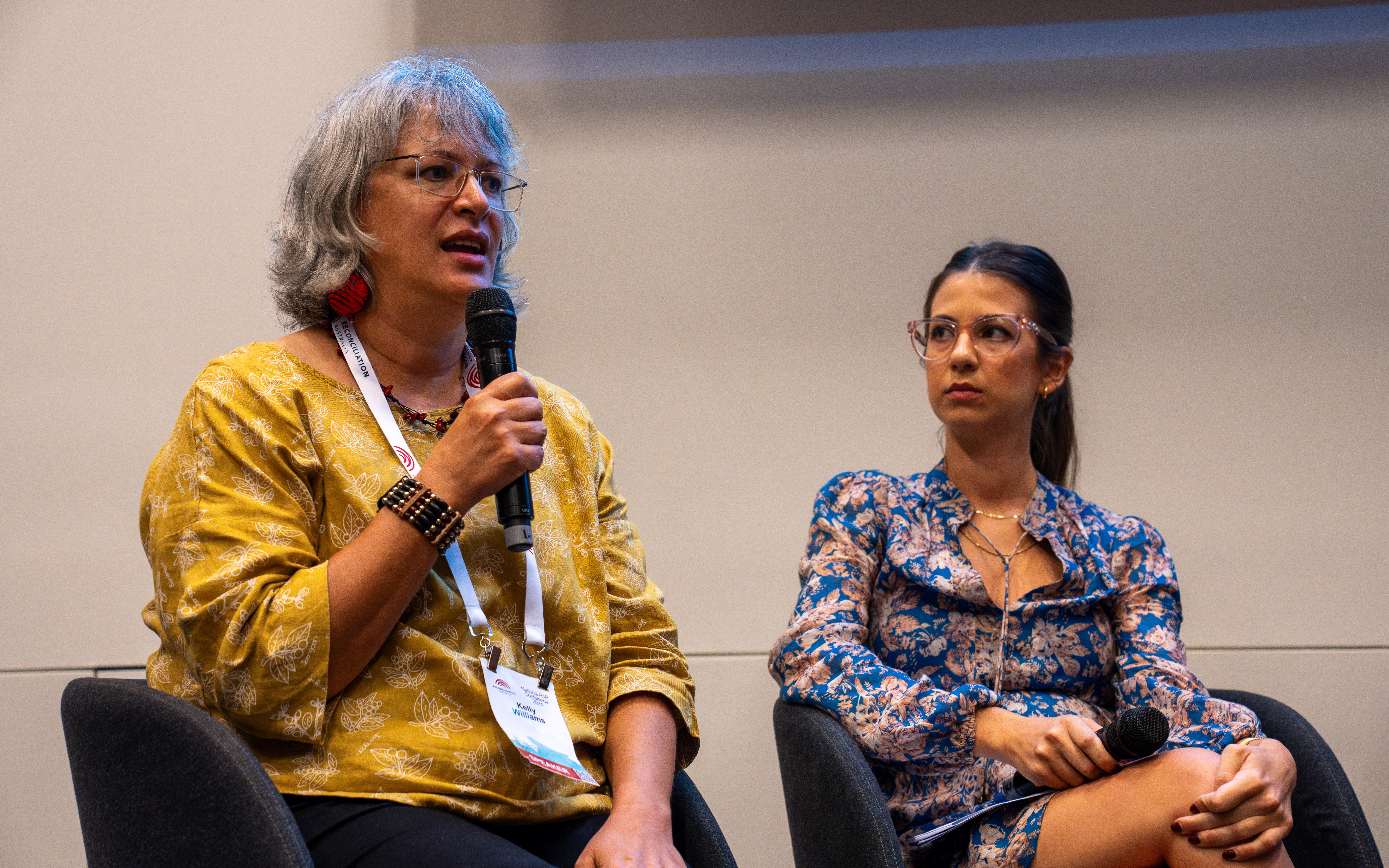
The ABC's Director of First Nations Strategy, Kelly Williams, shared insights from the organisation's recent independent review, which examined racism within the workplace.
The review, led by Wuthathi, Yadhaighana, and Meriam lawyer Dr Terri Janke, revealed systemic racism and recommended measures for change, including anti-racism training and better representation in leadership.
Ms Williams expressed pride in her role leading the implementation of these recommendations.
"I'm really pleased to be the person working with the committee… and setting the standard for mainstream media in this country," she said.
She also highlighted the ABC's Indigenous news archive, which was launched last year and is one of the largest of its kind globally.
"There's truth-telling around how that archive was acquired and what we have in there," she said, underscoring the ABC's commitment to continuous truth-telling beyond its RAP commitments.
The session highlighted how these organisations are taking steps to confront their historical roles and responsibilities, making truth-telling a cornerstone of their reconciliation efforts.
Each representative highlighted that while truth-telling is often challenging, it remains an essential step toward healing and understanding Australia's past.



