


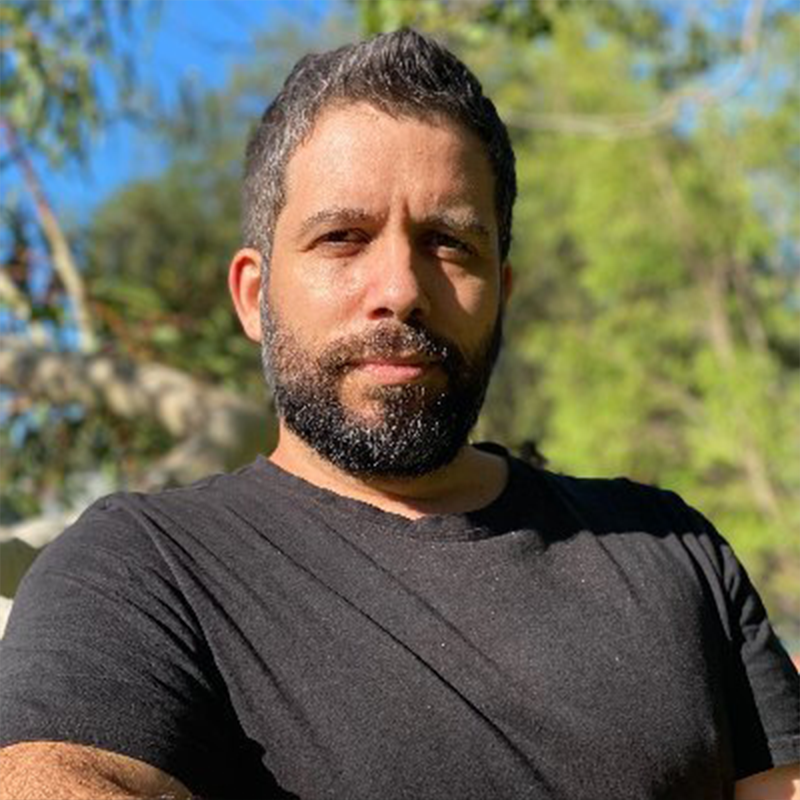

The Australian Nuclear Free Alliance recently held its national gathering on Nukunu Country in South Australia's Flinders Ranges, "strongly" reaffirming its opposition to all uranium projects nationwide.
The ANFA network connects Aboriginal and non-Aboriginal people and groups concerned about and responding to nuclear threats. The gathering in August was the 29th annual meeting of the network.
ANFA has played a role in many campaigns to stop nuclear projects across Australia. The meeting began with an acknowledgement of the leaders who started ANFA and welcomed representatives of the next generations to the meeting.
Delegates collectively paid tribute to many beloved Elders and community members who have passed.
Communities from South Australia, Northern Territory and Western Australia talked about the threats and pressure for new and expanded uranium mines, the lasting legacy and impact from operating mines and the difficult, ongoing work to rehabilitate these sites.
South Australian representatives also shared important stories about the impacts of uranium mining on water. The meeting committed to carry on Uncle Kevin Buzzacott's lifelong efforts to end unsustainable water extraction from Borefields A and B at Roxby Downs.
Adnyamathanha woman and academic Dr Jillian Marsh reminded delegates: "For hundreds of thousands of years we've known about uranium as a poison, this comes from our Yura Muda."
"Our knowledge systems refer to poison ground and poison wind; we have known about it for many generations and we have never given our free prior and informed consent for the extraction and transportation of uranium," Dr Marsh said.
The ANFA meeting also united communities concerned about impact from the proposed AUKUS nuclear-powered submarine agreement.
The Alliance noted that many places in Australia are threatened by plans for submarine construction, new ports and radioactive waste sites as part of this flawed agreement.
Delegates representing Osborne at Port Augusta in South Australia, Stirling at Meandip (Garden Island) in Western Australia and Port Kembla in New South Wales shared concerns about "the lack of information and meaningful consent, the impacts of a military build-up in those communities, and the risks of nuclear waste".
Members expressed concern the AUKUS proposal increases pressure from the federal government to find a radioactive waste storage site and for the first time there are now private companies seeking to play a role in nuclear waste management at sites in the Northern Territory and Western Australia.
The meeting resolved to support any communities being pressured to take nuclear waste and to call out "any secretive proposals such as those disguised as salt mining".
Anangu Tjuratja descendants and Maralinga survivors and descendants shared stories of survival, black mist and health impacts and forced removal from their homelands.
"Our people died from that bomb; we say no to poison land," said Yallata community member Roslyn Peters.
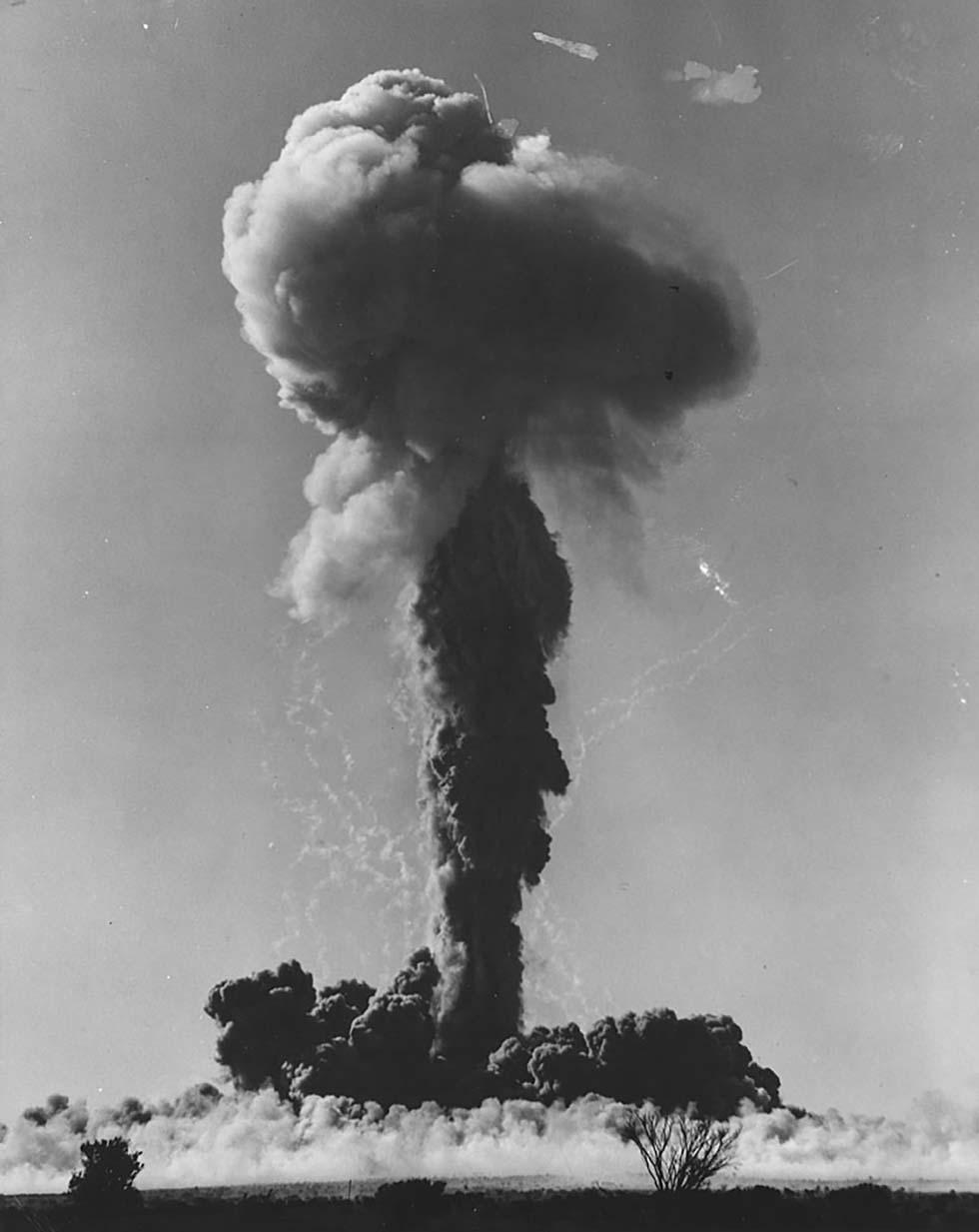
ANFA welcomed second and third generation Hiroshima hibakusha Yumi and Moeko who shared stories of the impacts they have inherited from the nuclear bombing of Hiroshima and Nagasaki.
The meeting learned about the health impacts and risks caused by radiation in all its forms and that the legacy of contamination, poison and sickness remains today.
Delegates were reminded to "Stand up, talk loud" and that "First Nations mob network with one another" and sent strong messages of solidarity to the Hayes family resisting the militarisation of their land at Pine Gap.
ANFA said it celebrated "the sustained intergenerational resistance of communities across the country as well as ongoing efforts to build a nuclear free future".
The communities represented at the Alliance gathering were: Adnyamathanha, Googatha, Ngemba, Yallata, Mirning, Kaurna, Ngarrindjeri, Arabunna, Kuyani, Pitjantjatjara, Yankunytjatjara, Walmumpa, Kaurni, Mirarr, Wongutha, Noongar.
Organisations represented were the Gundjeihmi Aboriginal Corporation, International Campaign to Abolish Nuclear Weapons, Friends of the Earth, Australian Conservation Foundation, Nuclear Truth Project, Don't Nuke the Climate, Independent and Peaceful Australia Network, Medical Association for the Prevention of War, Nuclear Free WA, and People for Nuclear Disarmament.



