



SNAICC – National Voice for our Children welcomed the federal government's release on Tuesday of the first Early Years Strategy (EYS).
The peak body for Indigenous children said the strategy reflected the government's "commitment to ensuring universal access to quality early childhood education and care".
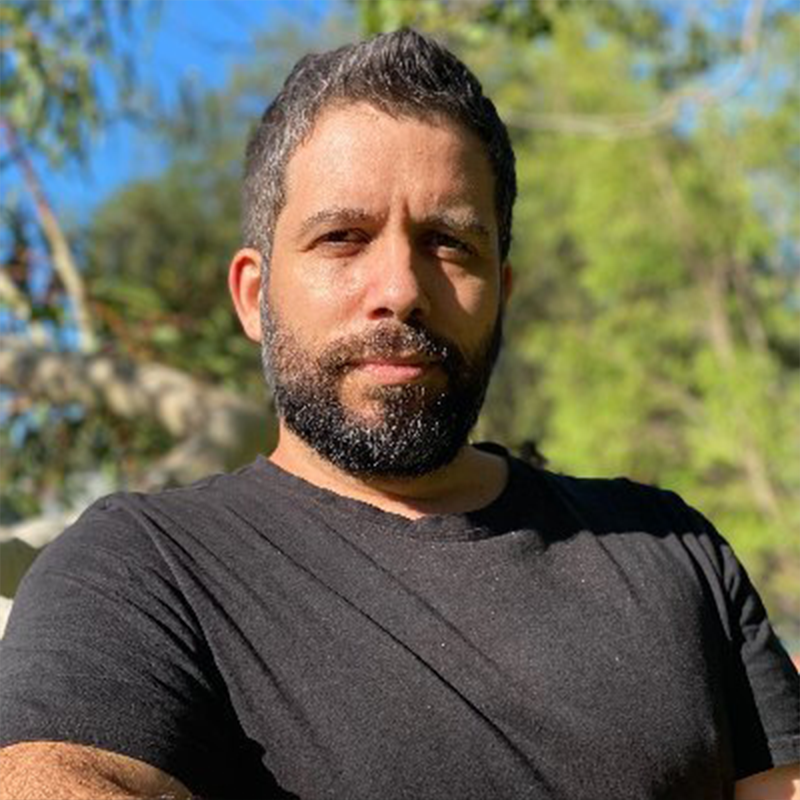
SNAICC chief executive Catherine Liddle, who was a member of the EYS Advisory Panel, said the strategy recognised the importance of Aboriginal community-controlled organisations in delivering services that ensure thriving children, families and communities.
"Aboriginal and Torres Strait Islander families and organisations now look forward to seeing fully resourced action to realise the vison of the EYS," Ms Liddle said.
"It is positive to see the EYS acknowledge the need for further changes to the Activity Test for Aboriginal and Torres Strait Islander families to make ECEC services more accessible and affordable.
"The EYS aligns with and supports important policies and commitments such as the National Agreement on Closing the Gap, the National Aboriginal and Torres Strait Islander Early Years Strategy, sector strengthening plans, and other projects."
Ms Liddle noted that SNAICC and the Aboriginal community-controlled sector have done an "enormous" amount of work over the years, informed by community, about what needs to be done and what makes the difference in setting up children and families to thrive in the early years.
"We look forward to seeing the action and commitments that will deliver on the promise of these policies and break down the barriers that face Aboriginal and Torres Strait Islander children in accessing quality ECEC and support services," she said.
"Our ACCO services play a vital role in providing wider supports to children and families, providing safe spaces, links to service provision, assistance with navigating systems and access. They provide that critical connection to family, community, and country so our children can thrive in their culture."
The SNAICC head said the Strategy's goal for all families to have access to high-quality, affordable and integrated services for maternal and child health, parenting support and early learning is "precisely the ACCO model SNAICC has been advocating for many years".
"Closing the gap starts with our children," she said.
"We must have a shared decision-making process between Government, SNAICC and other Aboriginal and Torres Strait Islander peaks to develop the EYS action plans and make the commitments a reality that will drive the change for our children and families to thrive."
In launching the strategy, the federal government said children's policy, funding and programs "should no longer be siloed", with better integration and coordination needed to "give all children in Australia the best start in life".
The government said the ten-year roadmap sets out an "overarching vision" for children in Australia, along with clear goals to ensure little children aged 0-5, and their families, "can learn, grow and thrive".
The Strategy is built on five key principles, eight outcomes and four priority focus areas where the government will direct effort to achieve its goals, including: valuing the early years; empowering parents, caregivers and families; supporting and working with communities; and strengthening accountability and coordination.
The EYS development was guided by an expert 14-member Early Years Strategy Advisory Panel including children's entertainer Emma Watkins, child health expert Professor Fiona Stanley, and Ms Liddle.
Federal Minister for Social Services Amanda Rishworth said for too long children's policy was siloed and the Strategy would help chart the direction to mobilise government to best assist families and children.
"Parents and caregivers don't see their children through one policy or departmental lens, and neither should the Government," she said.
"In the first few years of life, more than one million neural connections are formed in our brains each second – a pace never repeated again.
"Through the Strategy, we have the opportunity to create an integrated approach to these critical early years, and increase accountability to the wellbeing, education, and development of Australia's children."
Minister for Early Childhood Education Dr Anne Aly said with 90 per cent of brain development occurring in the first five years of a child's life we have an important window to get things right.
"If we get these vital early years right, we can change the trajectory of a child's life, setting them up to thrive throughout life regardless of their background or postcode," Dr Aly said.
A full version of the Early Years Strategy and the evidence on which it is based is available online.



