



Warning: The following article contains references to suicide, which may be distressing to some readers.
Recently published data indicates the need for culturally safe mental health care for Aboriginal and Torres Strait Islander peoples has never been more urgent.
The latest Closing the Gap data shows suicide rates for Indigenous Australians remain more than three times higher than for non-Indigenous people, with the highest rates recorded in regional and remote areas.
These figures reinforce what communities have long said — access to mental health services is not just about availability, it's about trust, cultural safety, communication and continuity of care.
Research recently published in First Nations Health and Wellbeing, The Lowitja Journal highlights culturally safe communication is central to improving mental health outcomes.
The study identified three core principles: Knowing Our Stories, Being With Us, and Doing Things Our Way. These principles emphasise understanding culture and history, building relationships, and working alongside communities through yarning, deep listening and shared decision-making.
At Wakai Waian Healing, these principles shape how services are designed, how clinicians are supported, and how communities are engaged.
Chief executive officer Ed Mosby said improving access begins with cultural safety.
"When Aboriginal and Torres Strait Islander people feel culturally safe, they access mental health services," Mr Mosby said."It's that simple. Cultural safety is not an optional extra, it's the foundation of engagement."
This commitment is embedded through Wakai Waian Healing's Community and Culture Mentor Group (CCMG), which provides cultural guidance and mentoring to clinicians across the organisation.
The CCMG supports both Indigenous and non-Indigenous practitioners, ensuring cultural knowledge, local context and community expectations are understood and respected.
"Our Community and Culture Mentor Group is critical to workforce sustainability," Mr Mosby said.
"It strengthens our clinicians, builds confidence, and ensures we are working in the right way with communities. When our workforce is culturally supported, communities feel safer engaging with our services."
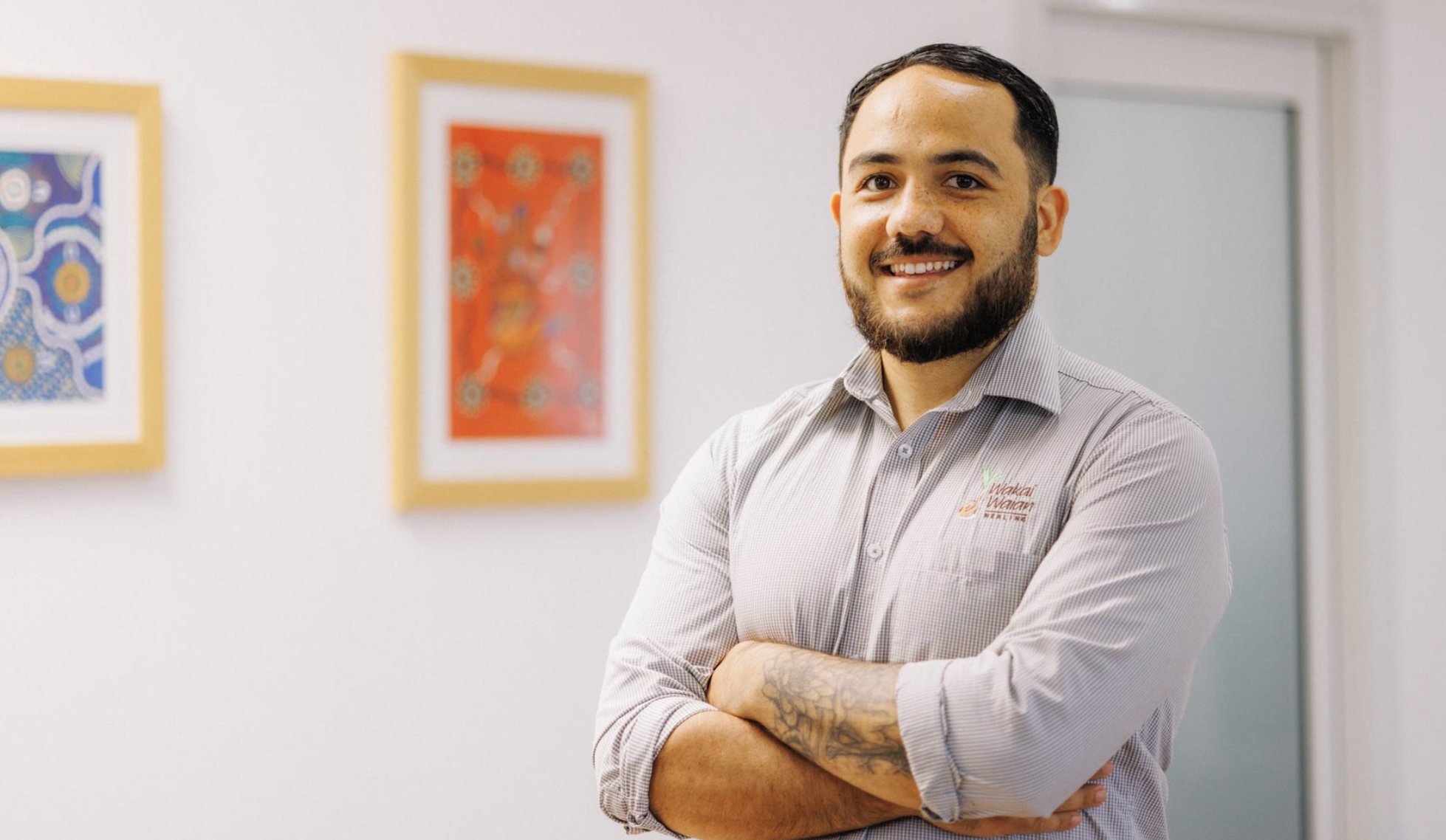
Clinical Services manager, Julyess Jarvis, says cultural safety directly improves how care is delivered and experienced.
"When clinicians understand community context and are supported culturally, conversations change," Mr Jarvis said. "Trust builds faster. People feel more comfortable sharing their experiences. Cultural safety is not separate from clinical care. It's what makes clinical care effective."
The approach has already shaped major consultation work led by Wakai Waian Healing across Zenadth Kes in the Torres Strait. The organisation designed and delivered culturally grounded aftercare consultations across the region, working closely with Elders, community members, service providers and local leaders.
Guided by a Cultural Governance Steering Committee and supported by Community Connectors and a Working Group across Zenadth Kes, the process ensured engagement was locally led, culturally safe and responsive to each island context.
The consultations identified key gaps in continuity of care, particularly between crisis response, discharge and return to community. These findings mirror national research which indicates communication and transition points within the mental health system are critical to improving engagement.
As a result of this work, Wakai Waian Healing has been asked to co-design a regional suicide prevention and aftercare framework — grounded in cultural governance and community leadership — for Zenadth Kes.
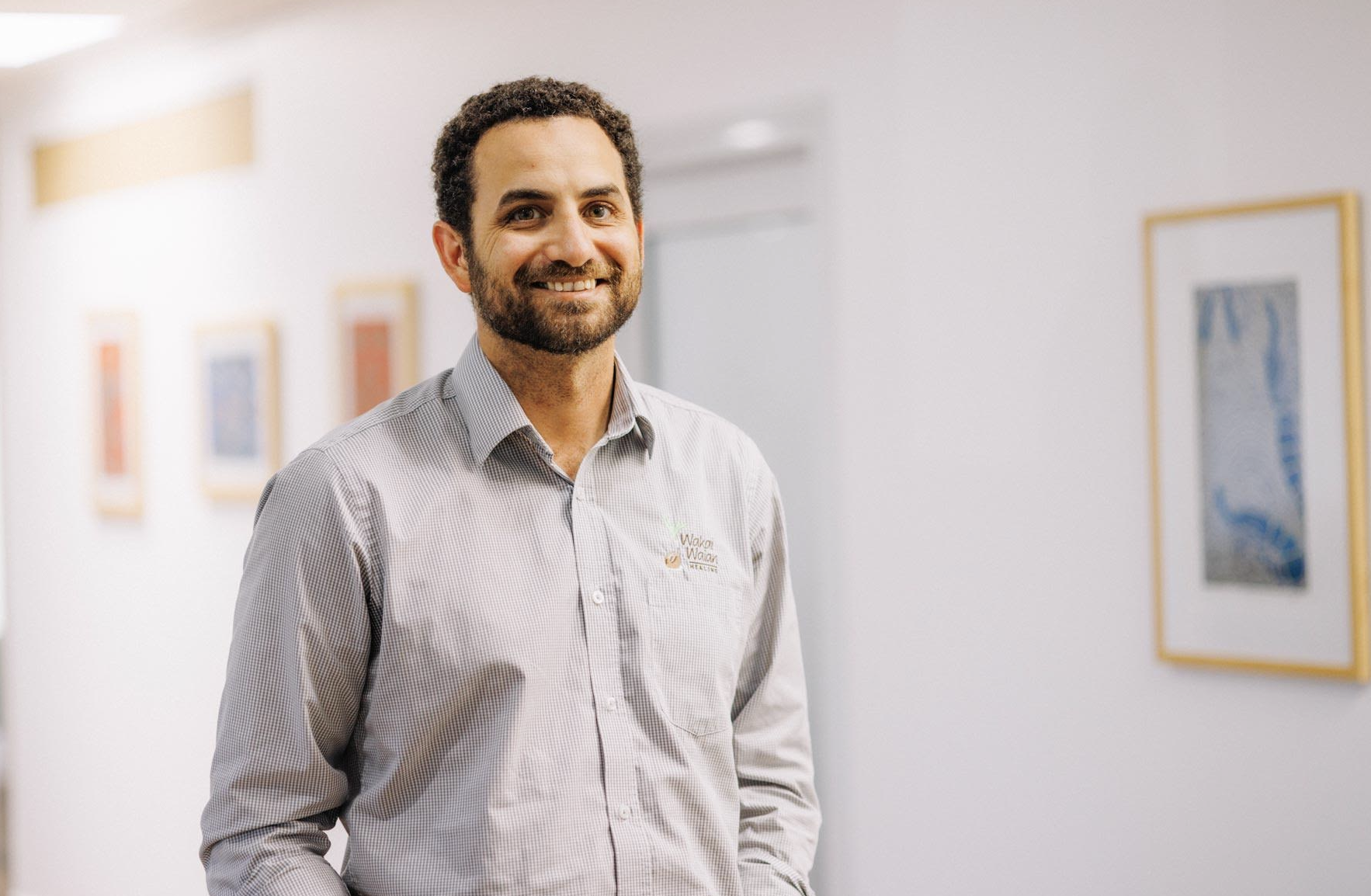
Head of Service Delivery Luke Edmund, an experienced counsellor, says listening to lived experience is central to the approach.
"When we go into communities, we don't start with solutions. We start with listening," he said. "We map how people experience the mental health system, where it breaks down, and what cultural supports already exist.
"That's where the real answers come from, and that's what shapes better aftercare."
Mr Mosby said Zenadth Kes' work demonstrates what culturally safe consultation looks like in practice.
"This work was guided by cultural governance, community connectors and local voices. It was paced properly, grounded in relationships, and built on trust," he said.
"That's why communities engaged, and why we've now been asked to co-design the suicide prevention framework."
The same principles are now informing Wakai Waian Healing's broader consultation work, including across Western Queensland. The organisation's cluster-based, place-led model recognises each region has different histories, cultural identities and relationships with services.
The process directly aligns with research highlighting the importance of understanding local stories, working with community, and doing things the right way.
Mr Jarvis said this approach also strengthens recruitment and retention of clinicians.
"When clinicians feel culturally supported and see that community voice genuinely shapes services, it creates a stronger and more meaningful workplace," he said. "That supports recruitment and long-term retention, which is critical in regional and remote areas."
Mr Mosby said Wakai Waian Healing's approach connects cultural safety, workforce sustainability and improved outcomes.
"We are not just delivering services. We are building culturally safe systems," he said.
"That means training our workforce, listening to community, strengthening governance, and designing aftercare that actually works on the ground."
As national conversations continue about improving mental health outcomes for First Nations people, Wakai Waian Healing's work demonstrates what culturally grounded care looks like in practice.
By embedding cultural safety into workforce development, consultation design and service delivery, the organisation is helping reshape how mental health care is delivered across regional and remote Australia.
"When Aboriginal and Torres Strait Islander people feel culturally safe, they access mental health services. It really is that simple," Mr Mosby said.
"When we lead with culture, listen deeply, and work alongside community, we create services people trust. That's how we improve outcomes, and that's what Wakai Waian Healing is committed to delivering."
13YARN: 13 92 76
Brother to Brother: 1800 435 799
Yarning SafeNStrong: 1800 959 563
Lifeline: Call 13 11 14



