




Warning: The following article contains references to suicide, which may be distressing to some readers
A new study has found more careful communication by healthcare professionals could help address the significant gap in mental health outcomes between Indigenous and non-Indigenous people.
The latest Closing the Gap data shows the suicide rate for Indigenous people across Australia is now more than three times higher than for non-Indigenous people, with the highest rates recorded in remote and very remote areas.
Published in First Nations Health and Wellbeing — The Lowitja Journal, Principles and practices of communicating with Aboriginal and Torres Strait Islander people accessing mental health services: A systematic review argues that while "effective communication" between healthcare professionals and First Nations people is essential to culturally safe care, recognising the problem alone is not enough.
"Although the importance of communication is well recognised, genuinely supporting culturally safe communication necessitates moving beyond challenges to identify solutions," the study notes.
Led by a team of Aboriginal and non-Aboriginal researchers, the research sets out a series of principles and practices for mental health professionals to use when working with Indigenous people accessing mental health services.
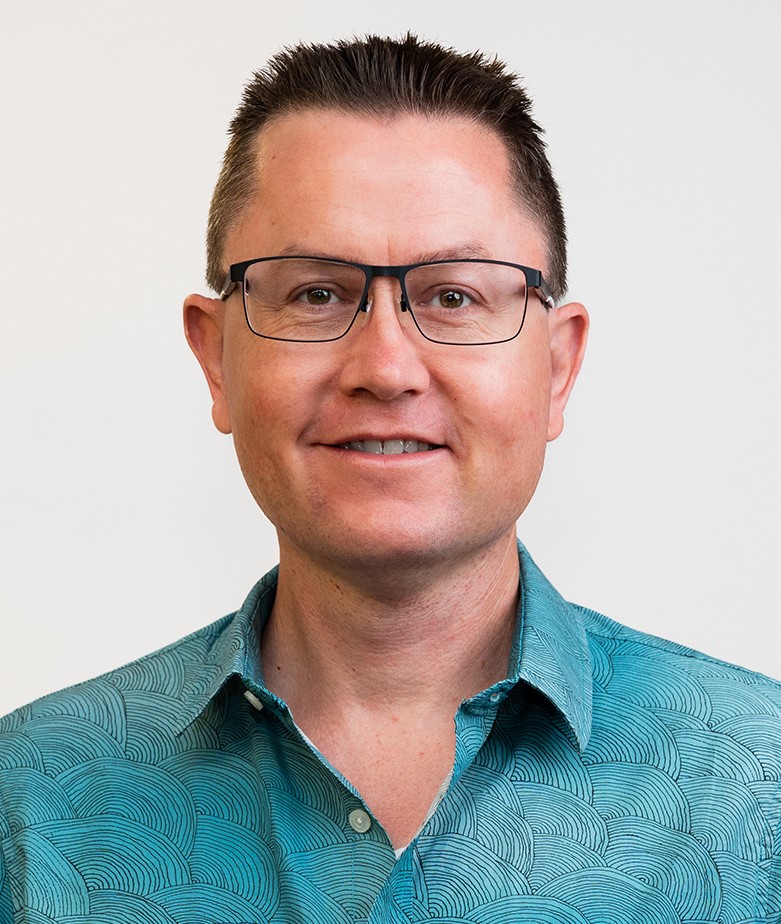
Flinders University Associate Professor Stuart Ekberg said both the research and the government data underscored the need for care that is both clinically and culturally safe.
"Because most aspects of mental health care involve communication, we have systematically reviewed available evidence that shows mental health professionals how to communicate in culturally safe ways," he said.
The research developed an evidence-based guide to culturally safe communication in mental health care for First Nations people, built around three key principles:
- "Knowing Our Stories" focuses on understanding First Nations cultures and the ongoing impacts of colonisation.
- "Being With Us" centres on preparing appropriately for communication, including choosing a suitable location, considering the involvement of family, community and Aboriginal mental health professionals, and recognising when some people should not be present.
- "Doing Things Our Way" outlines practices such as building trust through yarning and deep listening, while recognising that language differences can shape how mental health is discussed and understood.
"The cultural, historical, spiritual and social belief systems of Aboriginal and Torres Strait Islander Peoples can have important differences to the cultures of other people who live in Australia," the research said.
"Because of this, certain beliefs or practices that may be interpreted as a sign of a mental illness within Western biomedicine may not necessarily indicate mental illness for Aboriginal and Torres Strait Islander Peoples."
For this reason, the study argued mental health professionals need to "develop an understanding of a person's connection to culture and tailor their communication to the cultural context of the person with whom they are working".
Associate Professor Ekberg said any meaningful understanding must recognise the diversity across different Aboriginal and Torres Strait Islander cultures.
"Mental health professionals should employ the principles and practices highlighted in this review to promote culturally safe communication with Aboriginal and Torres Strait Islander people accessing mental health services," he said.
Professor Catherine Chamberlain, Co-Editor-in-Chief of First Nations Health and Wellbeing — The Lowitja Journal, said the research highlighted opportunities to "improve mental health outcomes for Indigenous people through appropriate communication and connection".
"This peer-reviewed article is an excellent example of The Lowitja Journal's commitment to providing an accessible, global platform for First Nations health and wellbeing perspectives," she said.
The research comes as the Royal Australian and New Zealand College of Psychiatrists (RANZCP) has called on the upcoming federal budget to expand the Rural Psychiatry Training Program, which supports the training of up to 70 additional rural psychiatrists over two years.
Without further funding, the program will end in the middle of the year.
Speaking after the release of the Closing the Gap data last month, RANZCP President Dr Astha Tomar said doctors often stay where they complete their training.
"If we want psychiatrists working long-term in regional and remote communities, we need to train them there, and we need to support Aboriginal and Torres Strait Islander doctors to enter and thrive in psychiatry," Dr Tomar said.
"When Aboriginal and Torres Strait Islander people can see psychiatrists who understand their cultural, family and community context, care is more effective, problems are identified earlier, and crises can be prevented."
13YARN: 13 92 76
Brother to Brother: 1800 435 799
Yarning SafeNStrong: 1800 959 563
Lifeline: Call 13 11 14



