



For two years, Lardil man Frank Watt was forced to live more than 800km away from his home on Mornington Island to access life-saving kidney dialysis in Townsville.
Like many Indigenous people with End Stage Kidney Disease (EKSD), Mr Watt faced long-term separation from his family and community to receive treatment.
The 54-year-old former police liaison officer said being away from home left him feeling isolated.
"When we'd been around Townsville for the whole year and a half, we were just getting lonely and heartbroken, homesick," he told National Indigenous Times.
In June 2024, Mr Watt became one of the first patients to begin treatment at the new renal dialysis unit at Mornington Island Hospital, provided by North West Hospital and Health Service.
He was joined by his family for his first session at the facility, which allows him to receive dialysis on Country, close to home.
The unit includes six chairs for patients like Mr Watt and his wife, who also relies on the service.
He said being treated at home has improved his health and helped him feel stronger.
"Ever since I've gone on dialysis, it did take a long time just to change it around, just to make me do things again," he said.
"I started walking much further without getting short-winded. That machine is saving our life."
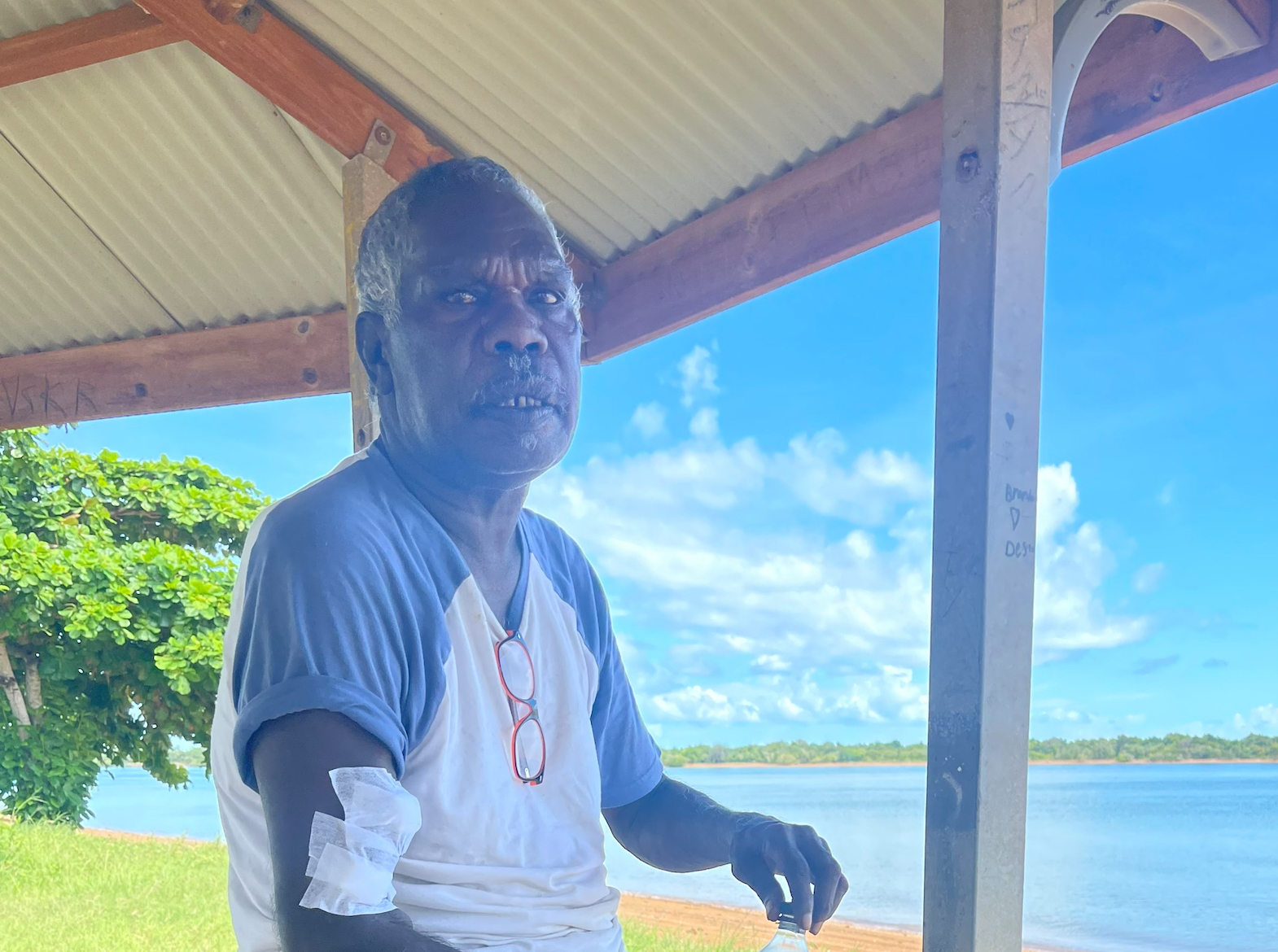
Mr Watt said keeping treatment on Country also ensures patients have family support nearby.
"If a family member gets sick, you can just go straight to the hospital here and then families will come up here," he said.
"If you get sick in a regional hospital, you've got no one there to comfort you. No family member. Nothing."
He also raised concerns about the high costs people face when returning home from dialysis treatment in other cities.
"If we want to come back home for a weekend, we've got to pay our own way out of our own pocket," he said.
"They take you down for dialysis and if you want to come home, they say you can go, but you've got to pay your own ticket."
He said more needs to be done to educate young people about kidney health and the risks of diabetes and alcohol.
"I hope they look, learn, and listen and take more interest in this thing," Mr Watt said.
"That machine saves our life every day.
"If you miss that for a week, you're a dead person."
Mr Watt hopes others will not have to go through what he did.
"They don't tell you how long you're going to stay behind it," he said.
"When you start getting worried, you get stressed out. You won't sleep at night."
The Mornington Island renal unit is part of a broader push to deliver dialysis services closer to home for Aboriginal and Torres Strait Islander people.
In remote areas, the incidence of kidney failure among First Nations Australians is up to 20 times higher than that of non-Indigenous Australians.



