


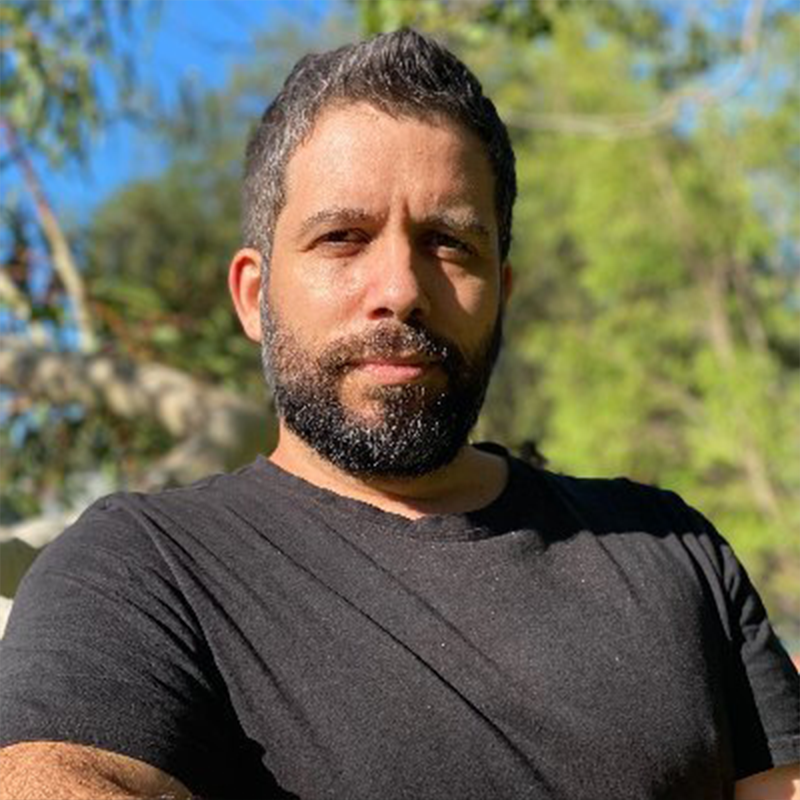

Recent Bachelor of Psychology graduate Nikki McKenzie aims to bring much-needed mental health care services to remote communities.
Ms McKenzie, who grew up in Derby, has cultural connections throughout the Kimberley region, "to a number of mob from NT/WA border all the way to Broome way", with her strongest ties to Nyikina, Jabirr Jabirr, Bardi, and Yawuru/Djugun mob.
She completed her four-year undergraduate degree last year and celebrated her graduation ceremony last month, and has gained admission to the competitive Master of Psychology (Professional) program at Curtin University.
"After this year I can then undertake an internship where I am finally working with clients as a Provisional Psychologist," she told National Indigenous times.
A Jilya Institute scholarship recipient, Ms McKenzie said she wanted to make a difference to communities like the one in which she was raised.
"My passion for wanting to work in the mental health space is from my upbringing. Coming from a place that has one of the highest rates of suicide in the world, means of course I've been impacted by the loss of someone close from suicide. I felt so frustrated with experiencing and seeing the huge lack of mental health support services to address many of the issues we have in our communities," she said.
"Remote places like Derby do not have a psychologist. We have drive in/drive out services which do not adequately address the complex issues we have as a result of intergenerational trauma.
"And also seeing a lot of our mob in despair, there are alcohol and drug problems, a lot of untreated mental health issues… There is minimal support of any kind, let alone culturally appropriate support.
"I could see the younger mob coming up behind me and I thought 'somebody has to do something about this'."
This is the moment every Jilya student cheered on from across the country!!
We are so proud of you Nikki McKenzie! Derby mob-be proud too ❤️💛🖤
You never ever gave up. And look at you now ♥️🖤💛 pic.twitter.com/yiBzb7lK8p
— Dr Tracy Westerman AM (@TracyWesterman) February 7, 2024
Ms McKenzie said the road to graduation had not been easy but she was excited about the future.
"I have had a lot of hiccups along the way, it's a four year degree and it took me seven or eight years. I am glad to be doing my Master now, I can see the light at the end of the tunnel," she said.
"My plan is to go up north and work with the younger mob up there. A lot of communities are not getting the support they require.
"So, I want to work with young people from remote areas and give them something that I didn't have growing up… someone who is able to relate to them and help validate their feelings and experiences, and support them on their journeys."
The Westerman Jilya Institute for Indigenous Mental Health - also known as The Jilya Institute or "Jilya - is an Aboriginal Community Controlled not for profit organisation, registered as a charity with the Australian Charity and Not-for-profits Commission.
Jilya was created in response to the 13 deaths of Aboriginal young people in the Kimberley, the subject of the 2019 Fogliani Coronial Inquiry. These deaths, and the continuing deaths of Aboriginal people by suicide, compelled Dr Tracy Westerman AM to act and do something to support improved access to culturally and clinically complex mental health services which could provide measurable outcomes for high risk communities.
Dr Westerman commenced the first Indigenous Psychology Scholarship Program with a personal donation of $50,000.
The organisation says that in just two years Jilya has supported forty-one Indigenous psychology students to "ensure there is more capacity on the treatment side and to ensure that never again shall a child die from want in a world of excess".
Jilya's stated vision is to "reduce Indigenous suicides, build resilience and strengthen wellbeing in Indigenous Australians", aiming to achieve this through "leading the development of culturally and clinically informed mental health and suicide prevention responses, and increasing the number of Indigenous psychologists working in Australia, in our highest risk regional and remote communities".



