



The history of the Native Mounted Police in Queensland is one of profound distress for Aboriginal people.
This state-sponsored paramilitary force, operational during the mid to late 19th century, played a pivotal role in enabling European conquest while suppressing Aboriginal resistance.
Its operations, marked by lethal dispersals and punitive raids, contributed to widespread dispossession and grief among Aboriginal people.
Today, descendants of both troopers and survivors grapple with the memory of these events, underlining the continuing resonance of this troubling era.
Origins and Purpose
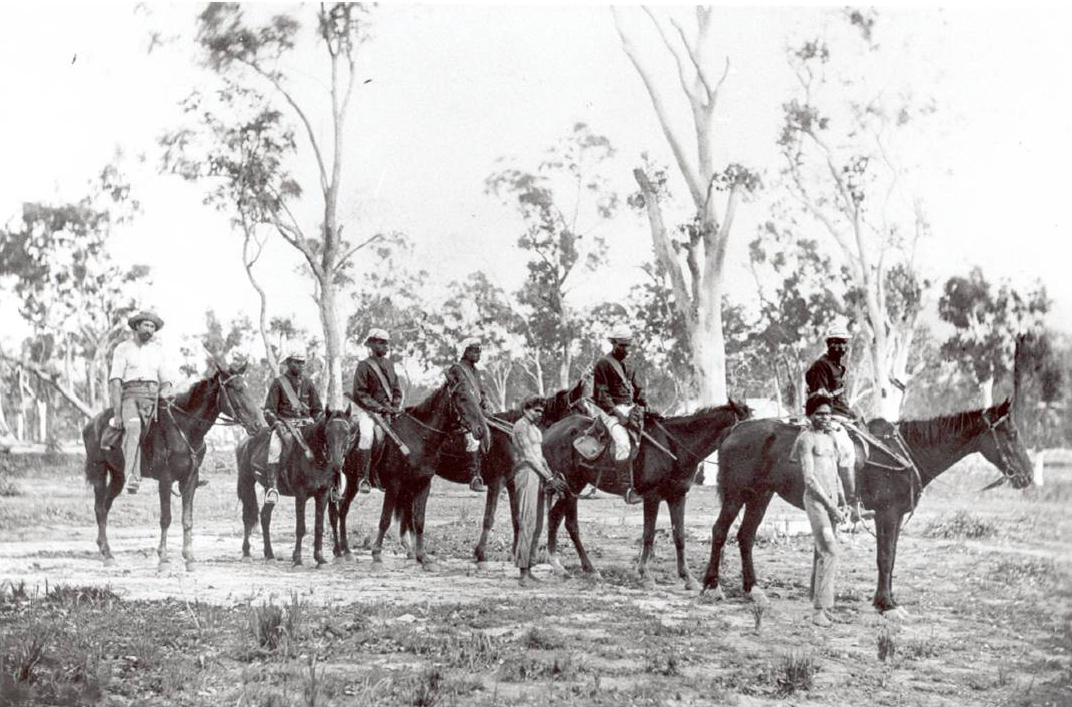
The NMP came into being in 1848, not long after Queensland formally broke away from New South Wales.
This timing aligned with increased pastoral expansion, and the government deemed it necessary to establish a mobile force to secure European interests against Aboriginal opposition.
Aboriginal men were conscripted from areas distant to the communities targeted by the NMP, thereby reducing the familial or cultural ties inhibiting their work.
Professor Bryce Barker, an archaeologist who researched the NMP, explained to the ABC that troopers were recruited from distant areas.
"They were deliberately recruited from areas far away from where they were going to be working, so they had no kin relationship with the people that they were going to be killing," he said.
"If you're that far away from country, it's going to dissuade you from running away," he said.
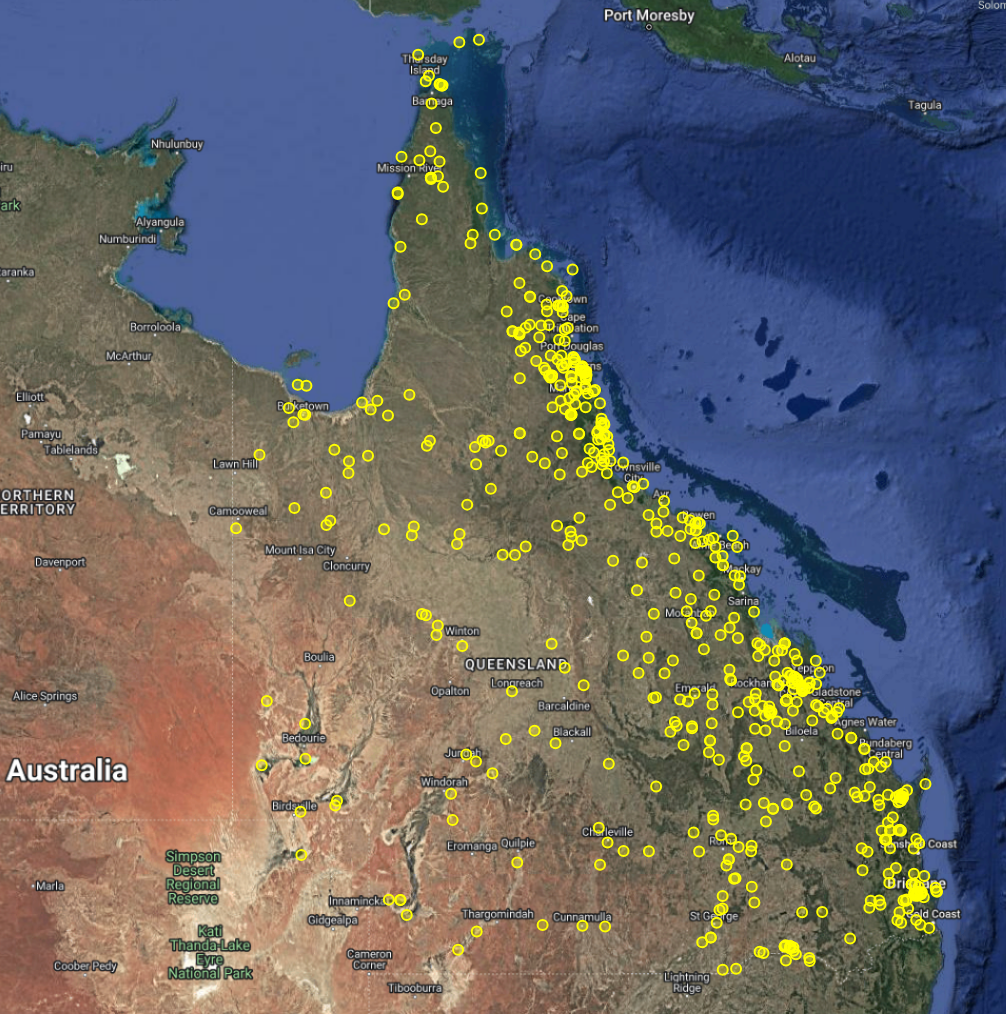
Estimates of the Indigenous death toll attributed to the NMP vary, with some historians suggesting figures ranging from 24,000 to over 41,000.
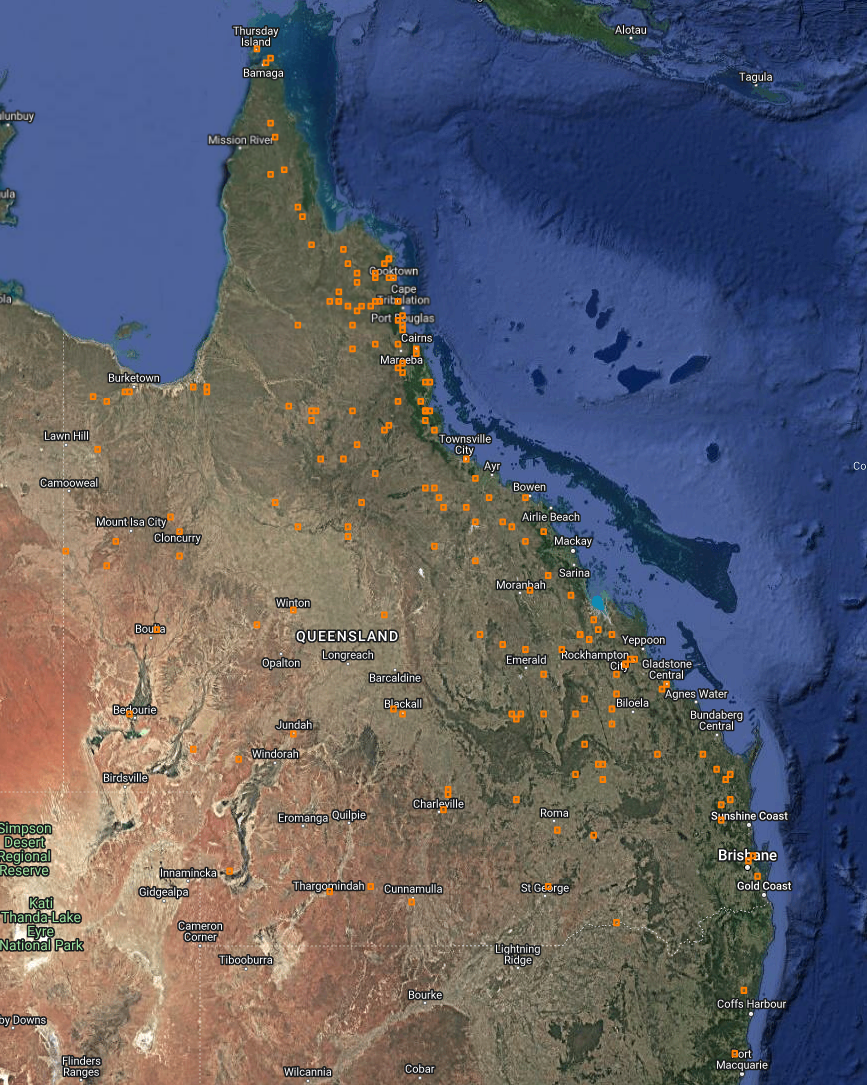
Research indicates that the NMP operated across more than 200 camps and was involved in over 1,800 frontier conflict events throughout Queensland during the 19th century.
Key Regions and Figures
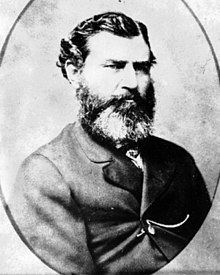
The force's first commandant was Frederick Walker, a former squatter and explorer, who was tasked with organising and leading the new unit.
Walker played a key role in shaping the NMP's operations, training Aboriginal troopers and employing aggressive tactics aimed at securing land for European settlement.
.jpg)
Mr John Murray, a squatter turned officer, stood out for his violent methods during the early 1850s.
In December 1850, he wrote that local Aboriginal people had "suffered severely" and had been "taught a lesson," reflecting an unyielding approach to punitive raids.
Significant conflict occurred in the Wide Bay–Burnett region, where colonial interests were expanding onto Aboriginal land.
Further north, in Normanton and Cape York, Mr William Edington Armit's name became synonymous with the NMP's harsh practices.
Archaeologist Lynley Wallis described the overarching purpose of the NMP.
"To move Aboriginal people off the land by whatever means necessary to ensure European colonisation could take place."
This brutal efficiency also marked the tenure of Mr Frederick Walker, the NMP's first Commandant.
His leadership established the patterns of aggression that defined the force's operations.
The Mode of Operations
The NMP's ability to traverse considerable distances made it a key instrument in colonial expansion.
Troopers often conducted raids at dawn, exploiting the element of surprise against Aboriginal camps.
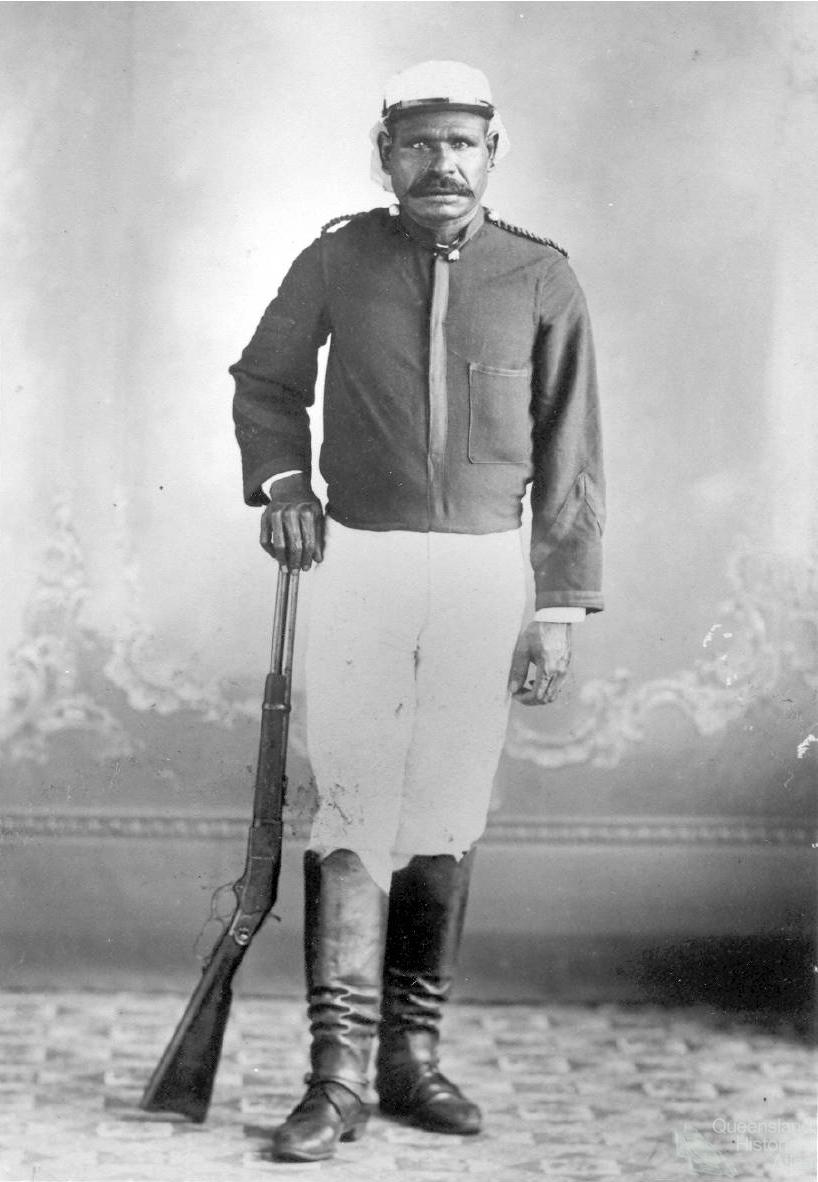
The combination of horses and firearms gave the NMP an overwhelming advantage in confrontations, frequently resulting in significant casualties among Aboriginal groups.
Bryce Barker said their mission was "totally unequivocal" — "there's only one reason that the Native Police were there: to kill Aboriginal people and to facilitate the theft of land."
A Legacy of Violence
The term "dispersal" entered common usage, essentially indicating mass killings and forced displacement.
In 1882, an Aboriginal woman described the troopers as "Murnian," the same word she used for a rifle, underscoring the dread inspired by the NMP.
For many descendants, the memory of massacres remains deeply painful.
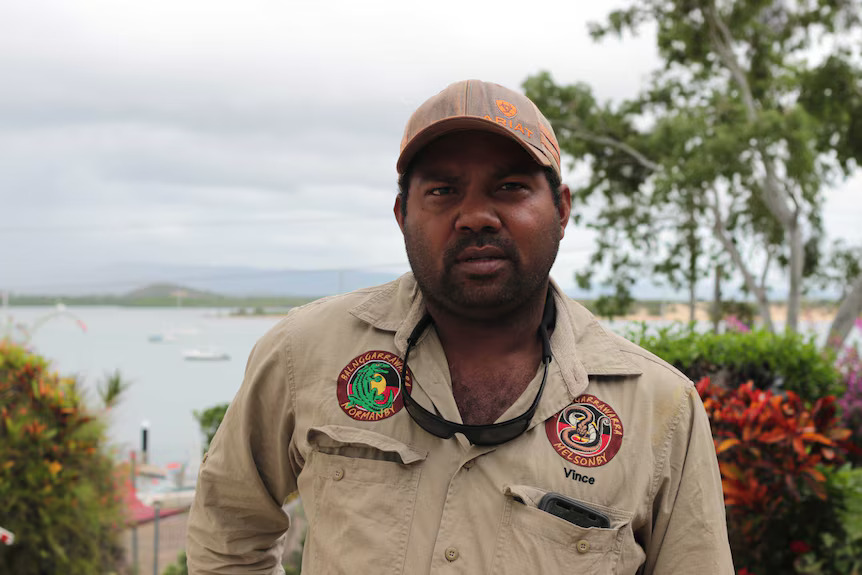
Mr Vince Harrigan, a traditional owner for the Balnggarrawarra people, recounted stories from his grandfather about a massacre at a waterhole near an NMP camp.
"They were hunted down like animals and shot there," he told the ABC.
"I can still hear the kids crying, and all of the old people."
"No-one else might hear it, but I do."
Cultural and Intergenerational Trauma
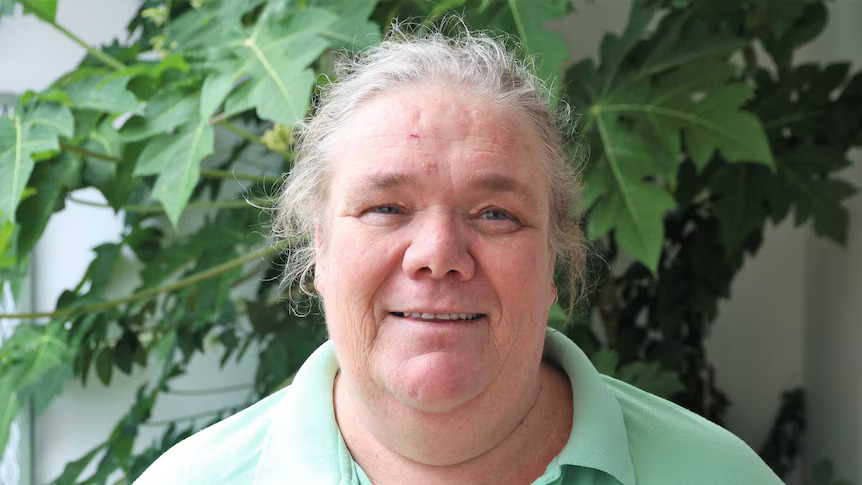
This complex legacy is also felt by Ms Kal Ellwood, whose great-great-grandfather, Jack Noble served as an Aboriginal trooper.
A lesser-known chapter of the Native Mounted Police's history involves their connection to the pursuit of the infamous bushranger Ned Kelly.
Aboriginal troopers, including Jack Noble, a Butchulla man from Fraser Island, were among those enlisted to track down Kelly and his gang.
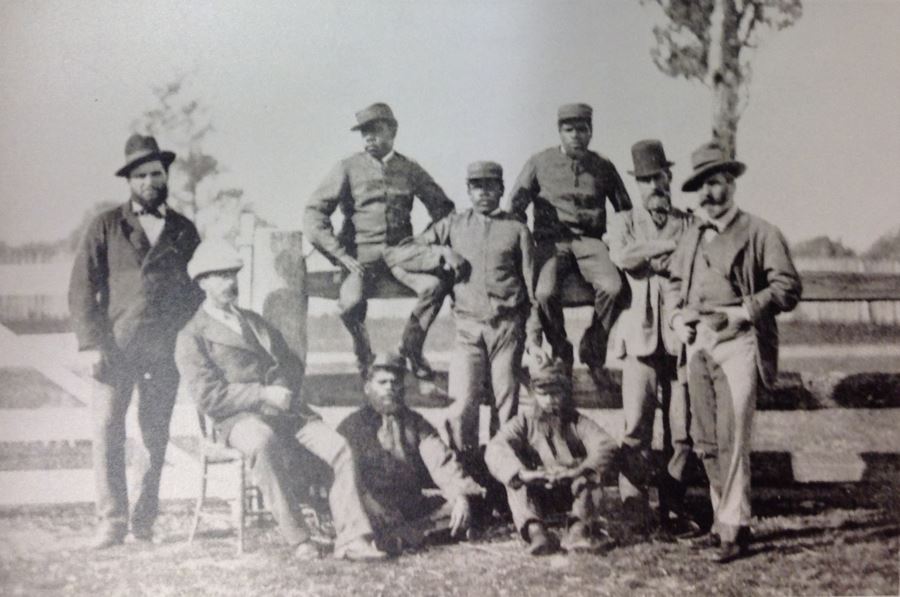
"I can't think of what he was thinking about when he joined, or when he was stolen… or what ran through his head when he was shooting blackfellas," she said.
Reckoning and Acknowledgment
Today, descendants of those affected call for acknowledgment and understanding.
"It wasn't a very good thing what they did, but I reckon you wouldn't wish that on anyone," Mr Harrigan added.
"It was their job; they were made to do it."
Ms Ellwood emphasised the importance of recognition.
"We can't change it, but you gotta think on it. Recognition that it happened is more than enough for me."
Lance Sullivan, a descendant of both an NMP officer and a massacre survivor, said the past must not be forgotten.
"Writing books and talking about it would be a good healing process for Australia," he said.
"The best way to really survive is to pass on that knowledge to the younger generation."
By confronting the painful legacy of the NMP, Australians can move toward truth-telling and reconciliation, ensuring these stories remain part of the nation's collective memory.
In Queensland, this history underscores the necessity of initiatives like the truth-telling inquiry that was proposed to address the state's colonial past.
However, the inquiry was scrapped by the LNP government, leaving a significant gap in efforts to reckon with the violence and dispossession inflicted on Aboriginal people.
The cancellation of the inquiry has drawn criticism from Aboriginal leaders and advocates who argue that without formal truth-telling processes, the broader public remains shielded from confronting uncomfortable truths.



