




Warning: Aboriginal and Torres Strait Islander readers are advised that the following article includes the name and image of an Aboriginal person who has died. His family have given media permission to use his name and publish the approved image.
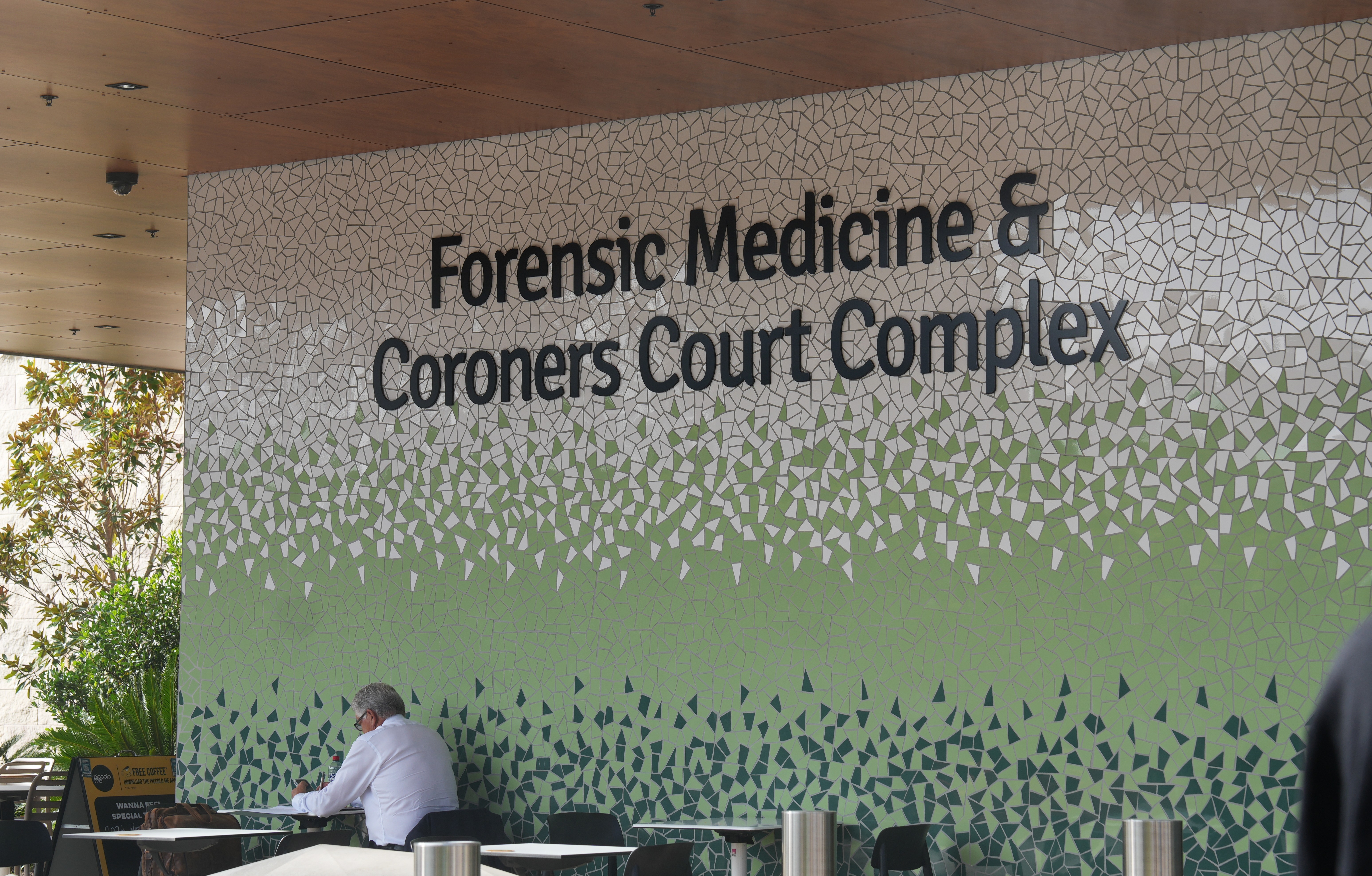
The NSW Coroners Court handed down findings on Friday on the death in custody of an Aboriginal man who died after OC spray was deployed metres from his cell.
The inquest has sparked renewed scrutiny of Corrective Services and prompted calls for urgent reform.
Proud Yuin man Gregory Merriman passed away from myocardial infarction at the Metropolitan Remand and Reception Centre in Silverwater on 27 December 2022 at 58 years old. A beloved son, father, grandfather, brother and uncle, Mr Merriman's death sparked outrage in the community, with a coronial inquest into his death launched in September last year.
The inquest heard Mr Merriman suffered from a fatal heart attack after OC spray was deployed in his wing as Corrective Officers responded to a fight he was not involved in. He was later found unresponsive in his cell nearly half an hour after the altercation, with attempts to revive Mr Merriman unsuccessful.
The findings
Deputy State Coroner Harriet Grahame delivered the findings in the inquest into the death in custody of Mr Merriman.
Over four days, the court considered four volumes of evidence, including witness statements and photographs, which consistently described Mr Merriman as a respected and trusted man.
While acknowledging the systemic issue of Indigenous incarceration and deaths in custody, the Coroner ultimately determined Mr Merriman's death was due to natural causes.
The inquest noted Mr Merriman had suffered from health issues, such as severe heart disease and a heart attack years prior.
The court also recommended revisions to Corrective Services procedures following the deployment of OC spray - including the identification of those affected by the chemicals and decontamination of areas where the spray had been used.
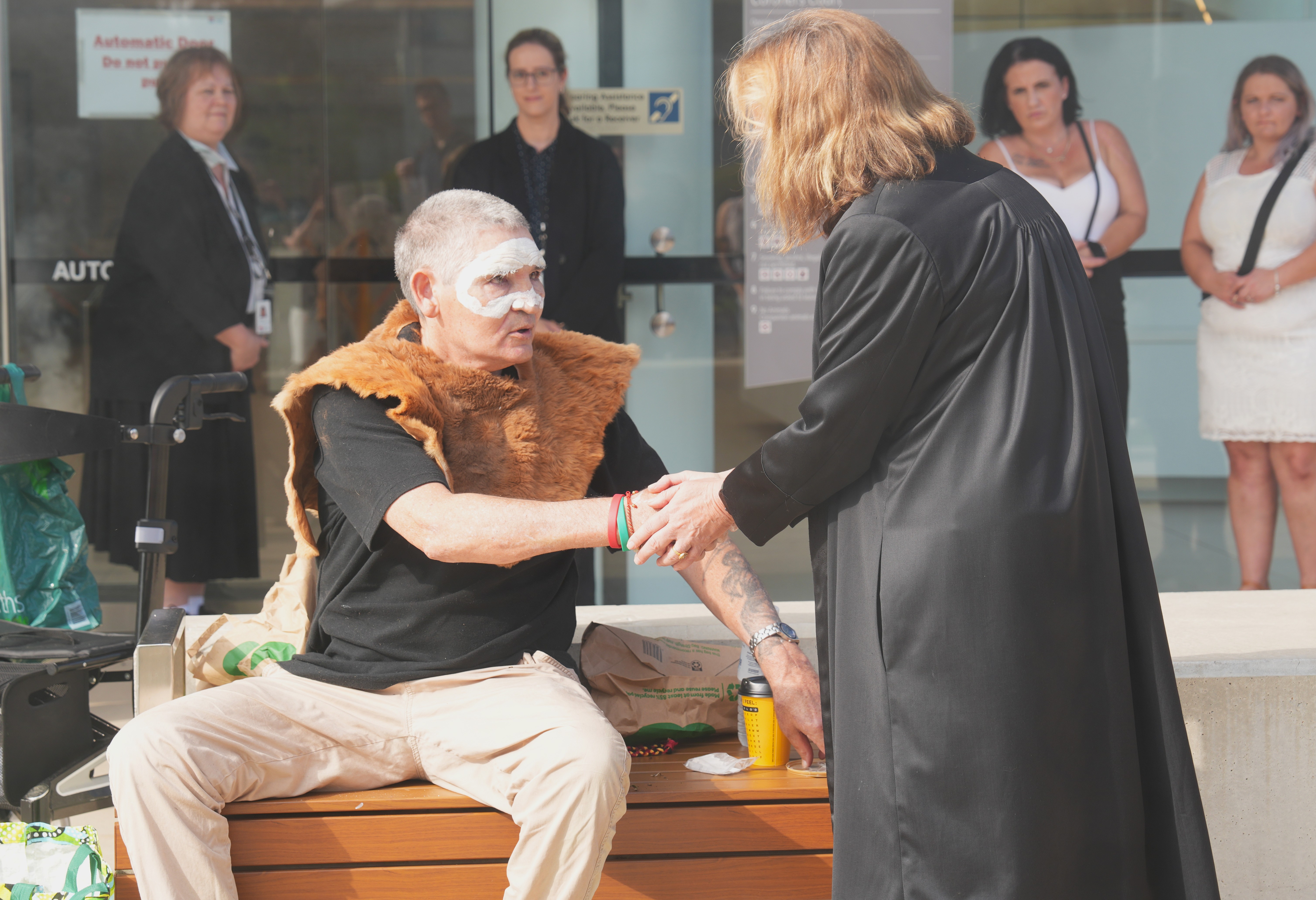
Following the findings, Uncle Mark Merriman, Mr Merriman's brother, spoke with National Indigenous Times.
"About today's findings, as I said, the justice that I wanted done personally wasn't handed down," Uncle Merriman said.
"Greg, he had a bad heart, like my family had a bad heart. Greg didn't know that, and that's why he died of a heart attack at the end. And the gas has something to do with it...You don't have to be a rocket scientist to work that out... it causes death.
"But now [Deputy State Coroner Harriet Grahame] has changed the policy and that's, as I said, something has to come out of this...Because you heard the stats of the deaths, this year alone, there have been three.
"She did hand down a finding about the use of force now in jail, and there's a whole new justice health system that they're already working on... they've got to put it into a protocol now."
The national crisis of deaths in custody
Mr Merriman's death sits within a broader national crisis. As of 2026, more than 600 Aboriginal and Torres Strait Islander people have died in custody and police incidents since the Royal Commission into Aboriginal Deaths in Custody in 1991.
Now marking 35 years since the Commission, concerns regarding rising Indigenous deaths in custody have only escalated as the death toll reached record highs across the nation last year. According to the 2025 figures, there is one death in custody every week for seven and a half months straight.
"You heard the statistics...There have been three already this year. We're not even in March yet," Uncle Mark told National Indigenous Times.
He said the numbers must be understood in the broader context of intergenerational trauma, poverty and the lasting impacts of assimilation policies on First Nations families.
"People have to understand the way we got brought up and the way someone else got brought up, in assimilation and everything like that," he explained.
"I had a loving mum, I had a loving dad...But I also had a hard dad and a hard mum. I had a very stern dad...Like alcohol, blindness, everything crammed into one thing."
Uncle Mark said the ongoing deaths in custody show that the systemic issues identified decades ago remain unresolved, and that meaningful reform is urgently needed to prevent further tragedies.
It's a systemic issue the court acknowledged in its findings: "The gap is not closing."
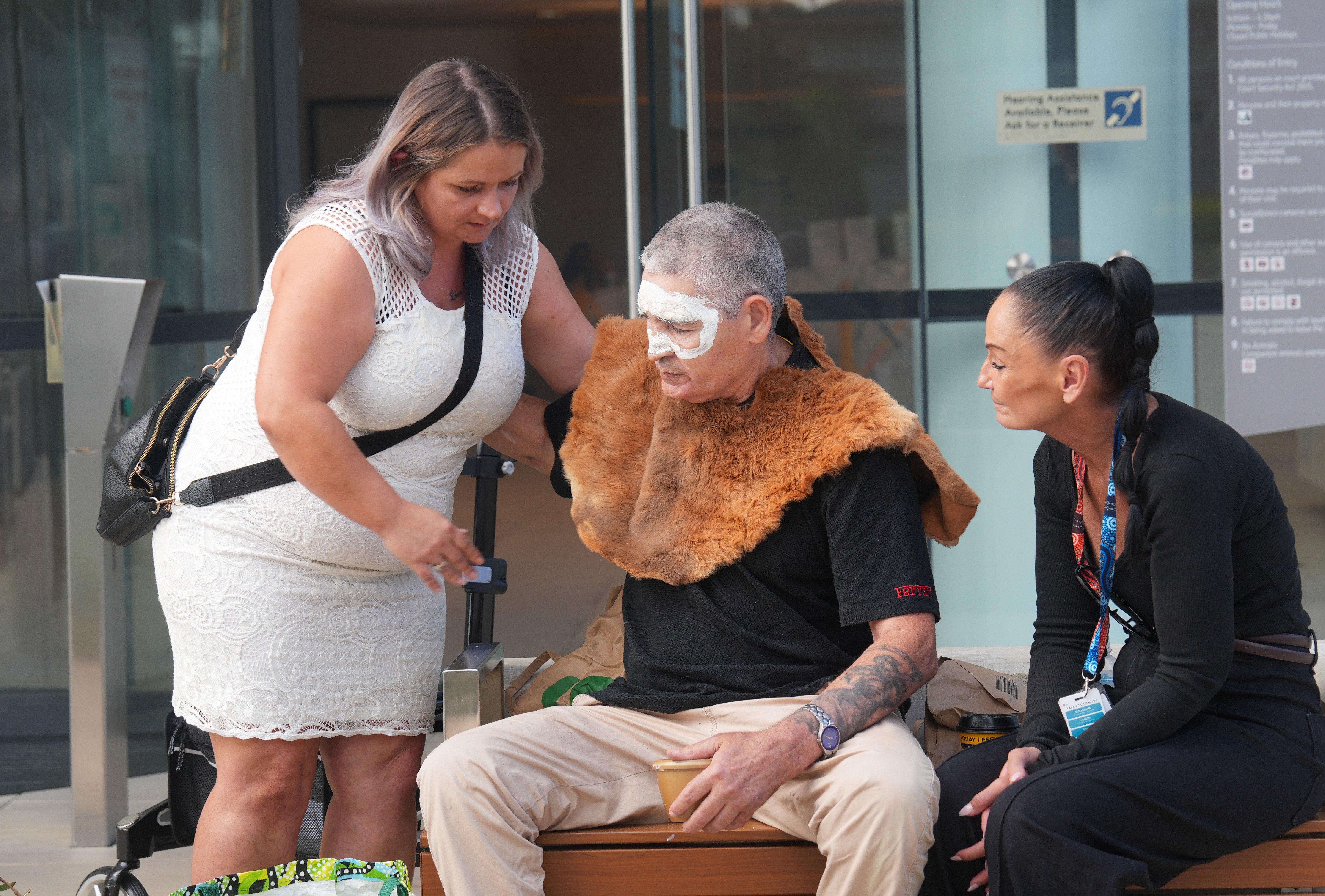
Following Wednesday's inquest findings, Uncle Mark Merriman and his family are looking towards healing - not only for them, but for other First Nations affected by the deaths in custody crisis.
"While I'm healing the other families, it heals me too. You know what I mean? So, I'll finish what Greg started; he always wanted to do that," he said.
"He's missed out on his grandkids; his grandkids are now pregnant, so he's missed out on his great-great-grandchild. You know what I mean? It just sucks. It just sucks. It's a hard feeling to explain. It's just like an emptiness void that you've got to turn around and fill yourself by helping someone.
"If I help someone else, it'll help fill that void that I've got. For my brother, as well as doing it for myself."
13YARN 13 92 76
Lifeline 13 11 14



