



As 25 Indigenous runners across Australia crossed the Sydney Marathon line last month, it confirmed a movement to increase Indigenous representation in endurance sport was on track.
First Nations Australians have traditionally been significantly underrepresented in triathlon and endurance sports, but TRIMOB — the country's first and only Indigenous-led triathlon and endurance sports club — is helping more Indigenous athletes find connection and confidence through swimming, cycling and running.
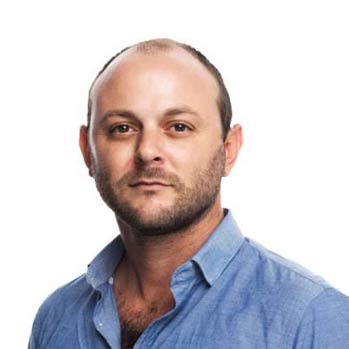
Noongar man and TRIMOB founder and chief executive officer, Nat Heath, said the club was focused on breaking down barriers to participation in triathlon and endurance sports.
"The barriers aren't about interest or ability; they're about access and safety," he told National Indigenous Times.
"Cost is a real one, as triathlon carries a 'gear tax': bikes, wetsuits, entry fees, that put it out of reach for many families.
"Geography compounds it, since a lot of the communities we work with are regional or remote, with uneven access to pools, cycling infrastructure and safe running routes."
Then there was the cultural barrier: mainstream sporting environments haven't always felt safe for mob, so TRIMOB flipped the model, bringing the sport to the mob, and led by mob.
"Our first ever program was the IRONMOB initiative to increase First Nations people completing an Ironman triathlon," Mr Heath said.
"Prior to IRONMOB, we knew of 13 First Nations people who had completed an Ironman."
The club's 14-month program for Indigenous participants in triathlon — the hardest one-day endurance event a person can do — led to double the number of First Nations Ironman finishers in less than two years.
The triathlon initiative was complemented by TRIMOB's Community Wellbeing Grant program, which in two years has seen more than 650 First Nations people from 15 communities participate in its programs and events, with support from activewear brand lululemon.
Ahead of the Sydney Marathon, TRIMOB also delivered a 10-week Move the Mob program with 10 Aboriginal organisations, training community members as run coaches to help boost participation numbers beyond race day.
The program culminated with 50 young Indigenous runners completing the Sydney Mini Marathon and 25 taking on the full marathon.
Mr Heath said the rapid growth in participation confirmed that appetite was never the problem, and when a culturally safe, community-led front door is open, Indigenous people turn out for swimming, cycling and running at real scale.
"We saw that again in Wadeye, where 75 young people completed their first ever triathlon through our Mobathon program," he said.
"It's also a trust signal: this growth has come through community vouching for community, not marketing spend, which tells us the model itself is working and needs matching investment in coaching and infrastructure to keep pace responsibly."
The next challenge for TRIMOB is to build First Nations coaching and leadership capacity, so participation lasts past a single event.
"If our programs only produced finishers, we'd have done something good but temporary," Mr Heath said.
"Training community members as coaches keeps the knowledge and relationships local.
"Next year's marathon cohort will be coached by someone who ran it themselves the year before, not flown-in expertise. That's how participation outlasts a single event."
The depth was building through IRONMOB too, as the club looked to continue the massive growth of Indigenous ironman athletes.
"Two consecutive years of backing from lululemon has also given us something rare in this sector: continuity to invest in coach development and program refinement, not just deliver one cohort at a time," Mr Heath said.
That partnership was on show during the Sydney Marathon, where six lululemon ambassadors and marathon runners helped the club raised more than $80,000 for TRIMOB.
"To expand into more communities, we need that same kind of sustained, multi-year backing, paired with deliberate relationship-building on the ground in each new region," Mr Heath said.
"Trust takes time, funding alone doesn't build it."
A broader First Nations endurance-sport ecosystem including Indigenous coaches, event staff, businesses and potentially elite athletes was now a horizon TRIMOB was building towards.
"Coaches and event staff are the first layer ... from there it opens up: First Nations-run businesses supporting these programs, roles in sports administration and governance, and eventually elite athlete pathways feeding from grassroots into performance sport," Mr Heath said
"It's part of why we're investigating working towards ... building the sector-level architecture so First Nations people own this ecosystem at every level, not just participate in it."



