




Queensland's controversial "adult crime, adult time" laws have seen more than 1,250 children charged since their introduction, according to figures revealed at state estimates this week.
The laws, introduced in two phases in December and May, allow children as young as 10 to face life imprisonment — including for some non-violent offences. Widely criticised, the Liberal National Party government has admitted the laws will disproportionately impact First Nations children and contradict both domestic and international human rights obligations.
Appearing before estimates on Tuesday, Department of Youth Justice Director-General Sarah Cruikshank said approximately 1,250 children had been charged under the new legislation, with more than 5,800 individual charges laid.
Of those, she said, around 85 per cent related to unlawful use of a motor vehicle, entering premises, and burglary — in that order — accounting for more than 30 per cent of cases currently before the children's court.
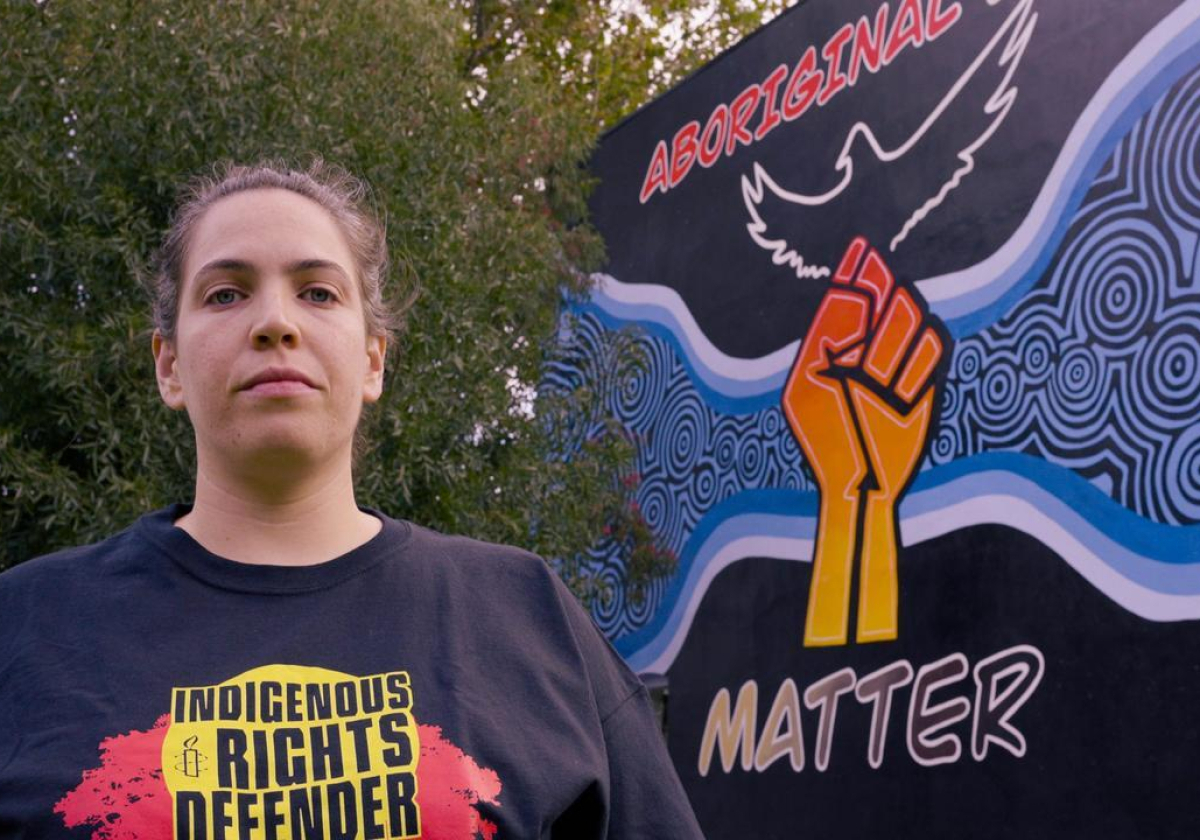
First Nations Director at the Human Rights Law Centre, Maggie Munn, said the numbers show the "real impacts of the Crisafulli Government's dangerous and discriminatory laws," calling them "shocking".
"These type of punitive laws do not work and do not make our communities safer. They entrench inequality, rip children from their families and communities, and cause lasting harm that affects everyone," the Gunggari human rights advocate told National Indigenous Times.
They argued the LNP needed to "wind back these regressive laws and instead listen to communities who know what works to keep their kids safe".
"Children deserve care, not cages, and no child should grow up in a prison cell," Munn added.
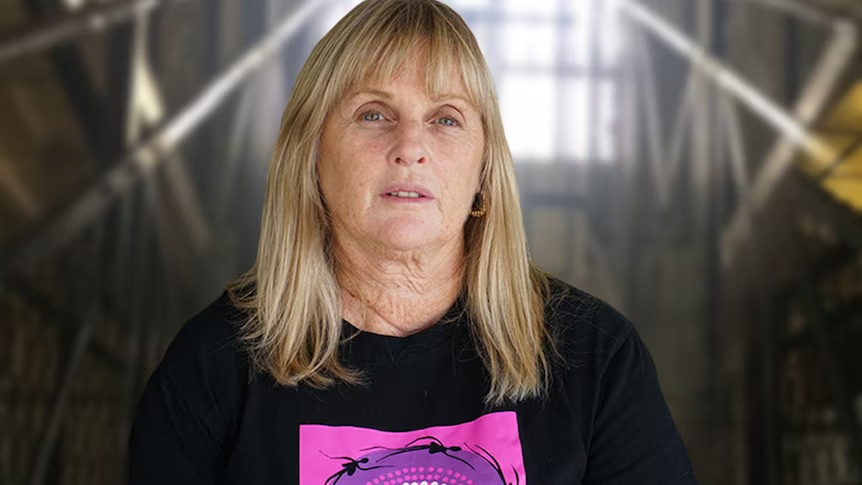
Lawyer and abolition advocate, Debbie Kilroy, says the numbers are "devastating". She described the laws as a "deliberate strategy" to remove vulnerable children and mask systemic failures.
"These are kids torn from their classrooms and communities, punished not for what they have done, but for being poor, homeless, or in care," Ms Kilroy said.
"This is not justice. It's a deliberate strategy to disappear children...locking up legally innocent kids is state-sanctioned violence, and it is First Nations children and families who will carry the deepest scars."
Despite the 1991 Royal Commission into Aboriginal Deaths in Custody recommending imprisonment only as a last resort, Queensland Attorney-General Deb Frecklington told parliament estimates "nearly half of all juveniles sentenced for an adult crime" were spending time "remanded in custody before their case is finalised".
"We are starting to see more young people sentenced to more intensive sentences, [such as] detention and probation," she said, "with a corresponding drop in less intensive sentences, like good behaviour orders and community service orders," Ms Frecklington said.
In response, Ms Kilroy reiterated that incarcerating children — particularly those on remand — is a form of state violence.
"And it will be the children, their families, and their communities who will carry the scars," she added.
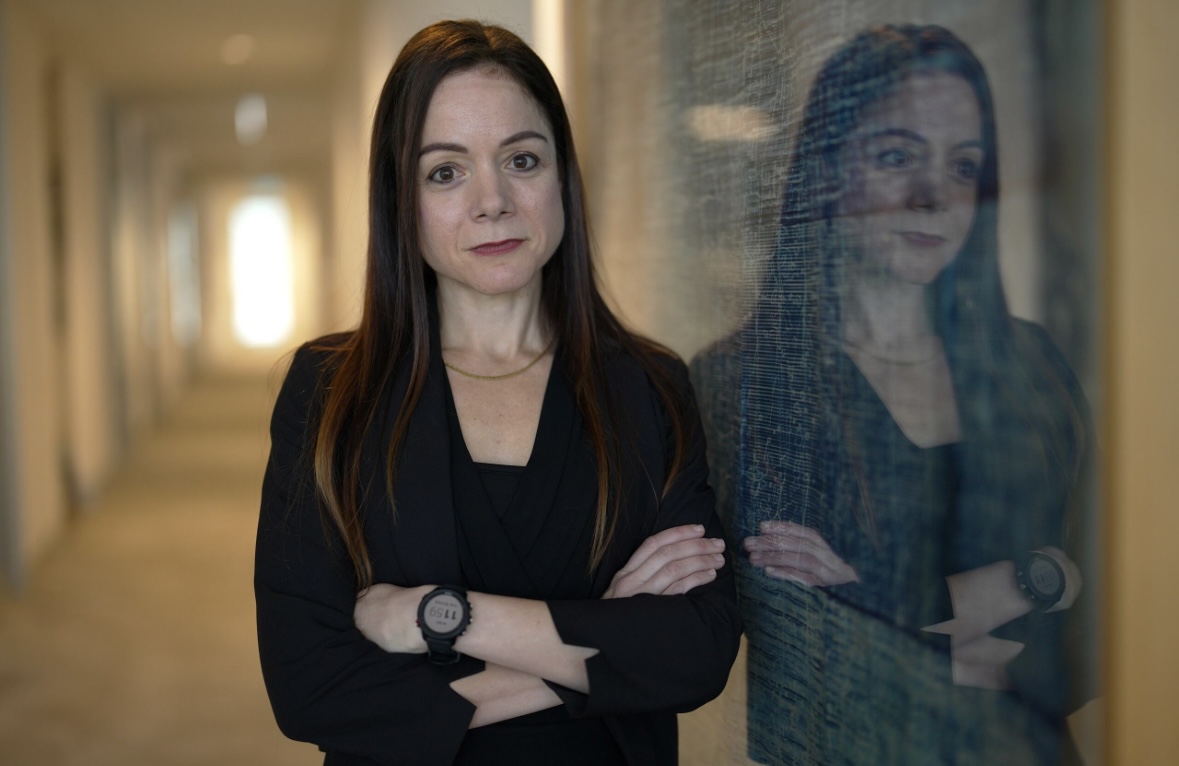
Queensland incarcerates more Indigenous children than any other state or territory in Australia. Recent Closing the Gap data shows that in 2023–24, the state accounted for over 45 per cent of all First Nations children held in custody on an average day across the country.
Dr Thalia Anthony, Professor of Law at the University of Technology Sydney, told National Indigenous Times the moral and financial cost of child incarceration demands serious scrutiny.
"We have to ask whether the money could be better spent on supporting children in safe homes, schools and programs," Dr Anthony said.
"The high incidence of children arrested for motor vehicle matters under these new laws reflects a disproportionate response to property offences.
"School age children require unique care strategies that cannot be accommodated in prisons. The Queensland government's laws will create a generation of disaffected children who are disconnected from the supports that will assure their integration into the community and safety."
The laws have faced strong opposition from Indigenous, legal, and human rights groups. Critics argue they breach Australia's international obligations under conventions such as the UN Convention on the Rights of the Child.
Earlier this year, Queensland's youth justice minister, Laura Gerber, was forced to acknowledge those concerns in the bill's Statement of Compatibility, admitting the new laws "may lead to sentences for children that are more punitive than necessary to achieve community safety".
"This is in conflict with international law standards...which provide that sentences for a child should always be proportionate to the circumstances of both the child and the offence," she wrote.
"The Government acknowledges that the proposed amendments are not consistent with international standards regarding the best interests of the child with respect to children in the justice system, and are therefore incompatible with human rights."



