


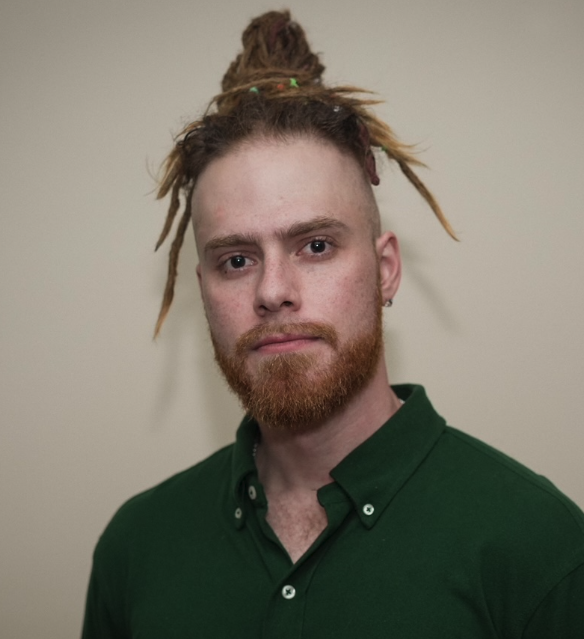

Northern Territory Attorney-General Marie-Clare Boothby says the CLP Government will introduce legislation on the rights of terminally ill people, following the findings of the 2025 Voluntary Assisted Dying (VAD) Inquiry.
The inquiry report was tabled in the September 2025 sittings by Legal and Constitutional Affairs Committee chair Dr Tanzil Rahman, with the Government accepting most recommendations and continuing work on the remainder.
Ms Boothby said the committee heard from patients, families, medical professionals, faith groups and community members, and examined how VAD operates in other jurisdictions.
She said the Government was drafting the legislation and would introduce a bill to Parliament mid-year, with a conscience vote for all members.
"Legislating for the rights of the terminally ill is one of the most sensitive and complex reforms any government can undertake," Ms Boothby said.
"We're taking the time to get this right. We're working carefully and consultatively - not rushing it - and we are committed to getting the balance right."
Ms Boothby added the Government would consider eligibility for people with serious and incurable illness, assessment and decision-making timeframes, and safeguards for vulnerable Territorians.
As debate continues, proud Arrernte, Arabana, and Gurindji man and Shadow Attorney-General, Chansey Paech, has previously told Parliament he would abstain on a VAD bill, despite personally supporting the idea.
Mr Paech, who represents the remote electorate of Gwoja, said he was speaking "not as an individual but as the elected representative of the people of Gwoja".
"My duty in this Chamber is to speak for my constituents, to represent the voices of the bush and make decisions with their wellbeing and cultural values at heart," he said.
He said views in remote communities were "mixed, complex and deeply emotional" after speaking across the electorate.
Mr Paech said some people supported the principle of individuals having a say over their end-of-life choices.
"Many people have expressed support for the idea that individuals should have a say over their own health and end-of-life choices," he said.
"Many have also told me that this concept of voluntary assisted dying is difficult to translate and even hard to understand in a cultural context. For many of our mob in the bush, it is not just about language, it is about a worldview.
"This idea does not easily fit within our cultural ways of understanding life, death and the role of family and kinship. If not communicated carefully and respectfully, it risks causing distress and confusion and, in some cases, could even create cultural and community unrest."
Mr Paech said there was concern about how any model would work in remote areas.
"At this stage, we have no clear model for how it would operate in these regions," he said.
"We cannot yet answer fundamental questions such as, where would it be accessible, who would be eligible, what the safeguards and approvals are, how family, elders and kinship structures would be included, and who determines the next of kin.
"These are not small details; they are central to ensuring this process, if introduced, is safe, fair and culturally respectful."
Nunggubuyu woman and Labor leader Selena Uibo has previously backed VAD and developed a private member's bill, calling on the Government to work with Labor rather than "waste more time" developing separate legislation.
The Northern Territory remains the only Australian jurisdiction without VAD laws.



