




A new study of mangroves on the Barron River estuary near Cairns Airport has shown how Indigenous leadership, scientists and industry can work together to protect coastal ecosystems and build long-term knowledge.
The research, published in Ocean & Coastal Management, found that about 300 hectares of mangrove forest around the airport store more than 2,000 tonnes of carbon each year, underscoring the role of coastal wetlands in slowing climate change.
The project was co-designed by Yirrganydji Traditional Custodians, Blue Carbon Lab, RMIT University scientists and Cairns Airport.
Yirrganydji man Brian Singleton, who led the project on behalf of the Yirrganydji Land and Sea Ranger Program, said the partnership strengthened on-Country research in a place of deep cultural meaning.
"This project was special because it brought together our knowledge with scientific research, right here in a place that is deeply meaningful to us," he said.
"For generations, Yirrganydji people, guided by our Elders and ancestors, have cared for Country and kept a strong connection to our mangrove systems.
"We're still learning about blue carbon, but now we have a better understanding of how our stewardship helps protect these places for future generations, and we are learning how to work together with a wide range of partners... we look forward to continuing this journey together."
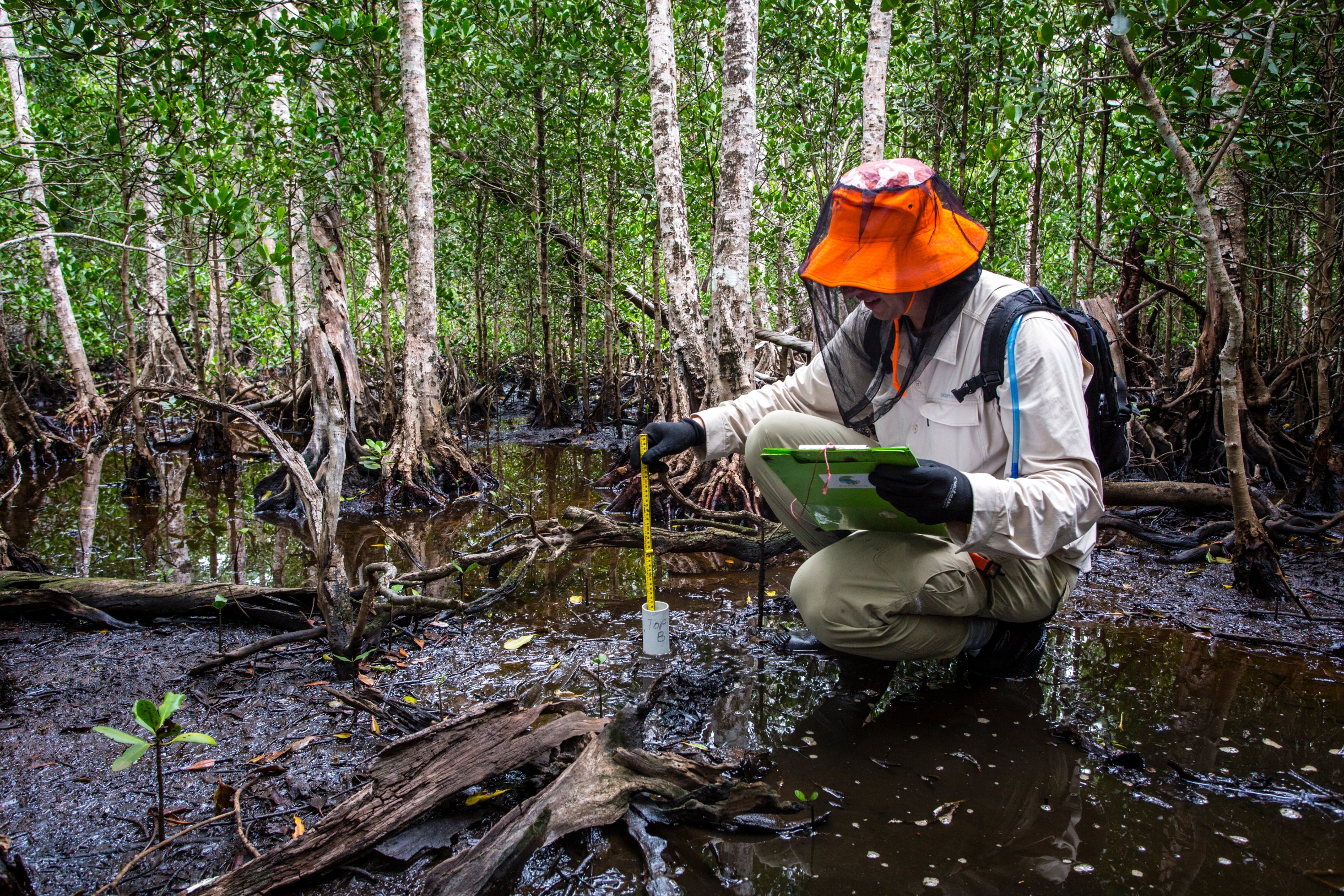
Study lead author Dr Micheli Costa from RMIT University said the work focused on uniting different knowledge systems and building monitoring skills in the Yirrganydji Land and Sea Ranger Program.
"It's about showing what respectful, co-designed research can look like when Traditional Custodians, scientists, and industry work together with shared purpose," she said.
"This collaboration created space for cultural leadership, capability building, and knowledge exchange; and that's what makes it truly impactful."
Cairns Airport chief executive Richard Barker said the airport's position next to important coastal and reef environments meant the business had a responsibility to support their protection.
"The landscapes of Tropical North Queensland are world-renowned and our natural attractions, like the Great Barrier Reef and Daintree Rainforest, are key drawcards for visitors," he said.
"Mangroves play an important role in the health of the overall system and protect the airport physically from storm surge and erosion.
"Critically, almost two years ago, we experienced firsthand the effects of severe natural disasters through the floods, and we understand how important it is to reduce our risks by strengthening our natural defenses."
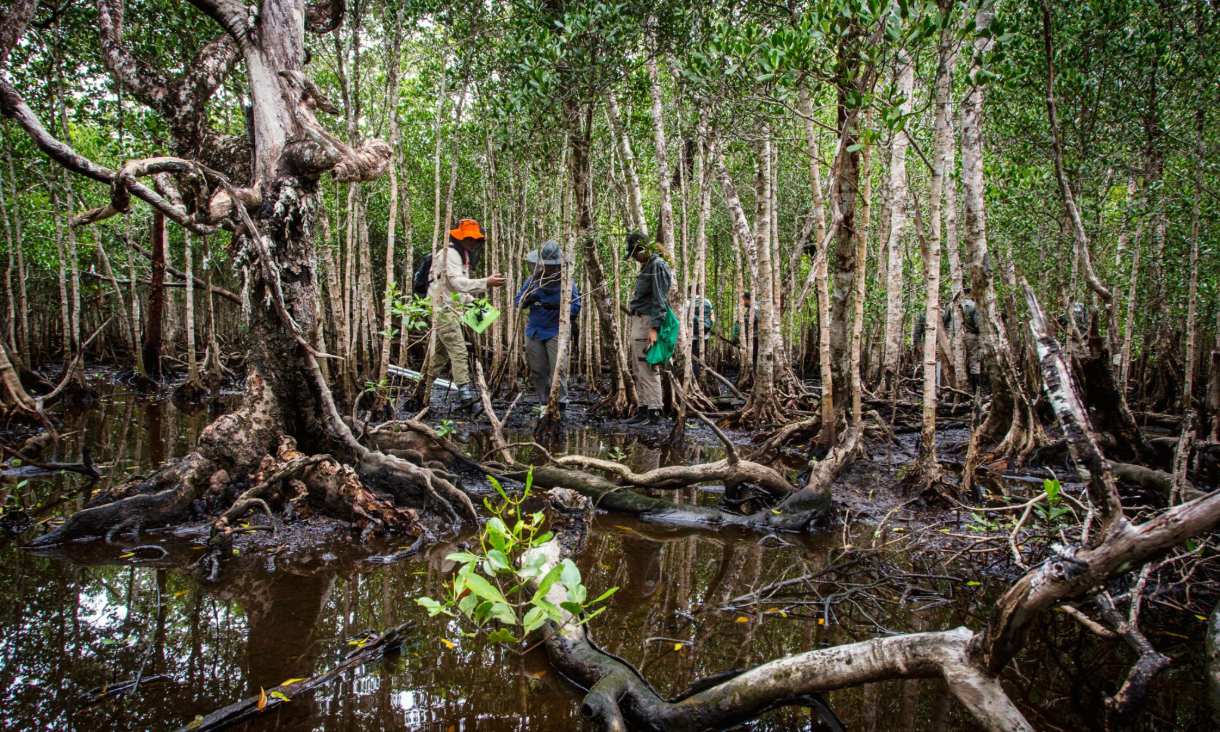
The authors noted that mangrove forests in Far North Queensland are highly diverse, with more than 14 species sharing the tidal zone.
Blue Carbon Lab founder and head of RMIT's Centre for Nature Positive Solutions, Professor Peter Macreadie, said the research adds important data for projects across tropical Australia and backs further local monitoring.
"Mangroves have been identified as a key natural climate solution and their conservation and restoration play an important role in emissions reduction," he said.
"This project was unique, because it was carried out collaboratively with members of Cairns Airport and the Yirrganydji Land and Sea Ranger Program.
"Working close together, we gained greater insight into the area's cultural significance and could provide the rangers with methods and equipment to enable ongoing studies around Cairns Airport."



