



WARNING: Aboriginal and Torres Strait Islander readers are advised the following story contains the name and image of a person who has died.
An Aboriginal restorative justice service has called for urgent reform following the death of a young Indigenous woman in custody last week.
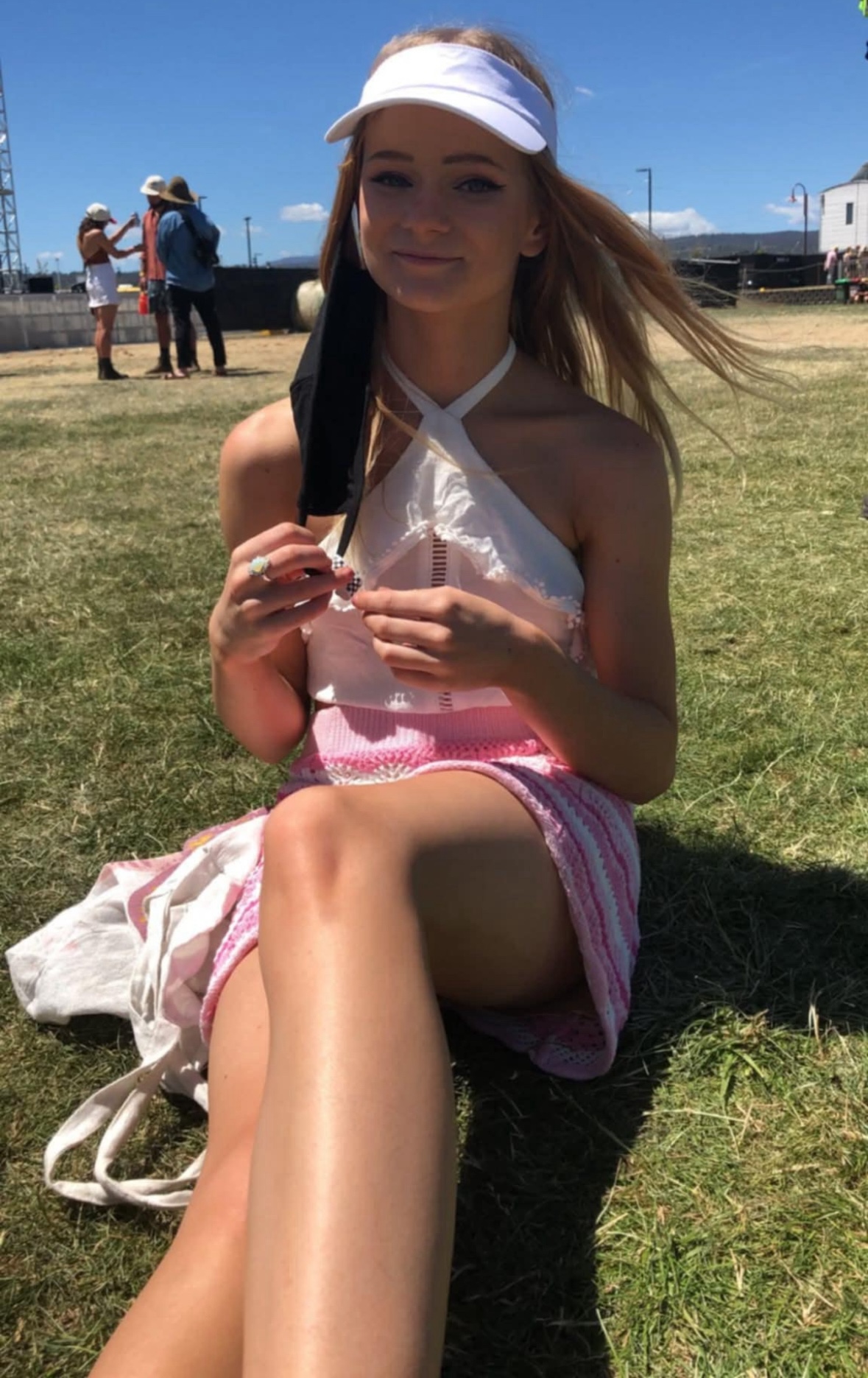
Chelsea Bracken, 21, died in custody in Tasmania eight days ago while on remand at Hobart's Mary Hutchinson Women's Prison.
The Wiradjuri woman was transferred to the Royal Hobart Hospital After suffering a "serious medical emergency," according to the Tasmanian Prison Service, where she later passed away.
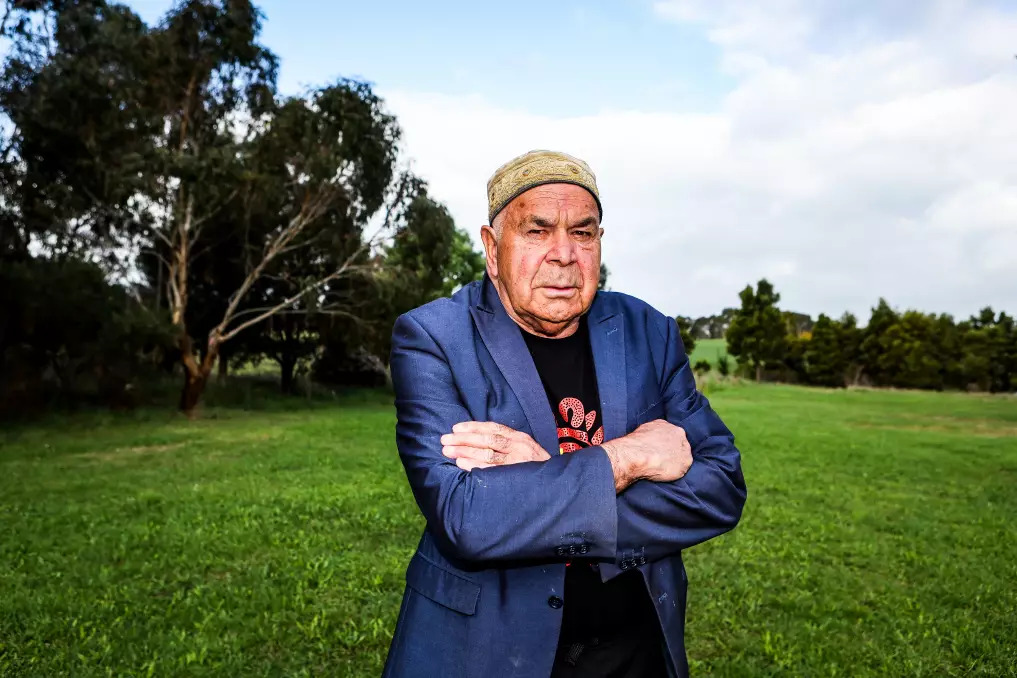
On Tuesday, Shara Clarke Aboriginal Restorative Justice Services (SCARJS) administrator, Uncle Lenny Clarke, said the tragedy is yet another reminder that Australia must urgently seek alternatives to "the white prison industry".
Speaking from his Aboriginal community in country Victoria near Warrnambool, Uncle Lenny said "enough is enough".
"Australia says it has no death penalty, yet for too many of our people, going to jail is a death sentence," he said.
"Chelsea was only twenty-one years old and died under state care. How many more of our young people must we lose before governments listen?"
SCARJS described Ms Bracken as "a beautiful, vibrant young woman whose life should have been filled with hope and promise".
"Instead, her family and community are left grieving yet another Aboriginal death in custody," they said.
Uncle Lenny said for generations Aboriginal people have endured the taking of land, the removal of children, and the mass incarceration of their people.
"Prisons have become the new institutions of control," he said. "Our people go in seeking help and come out - if they come out at all - more broken. This cannot continue."
Following Ms Bracken's death, the National Network of Incarcerated and Formerly Incarcerated Women and Girls shared their devastation after learning of "yet another woman" dying in custody.
"This is not an isolated tragedy. Prisons are violent, death-making institutions, spaces that harm, dehumanise, and destroy," the National Network's Debbie Kilroy said.
"Every death in custody is a national shame, a reflection of a country that continues to pour resources into punishment instead of care, into cages instead of community. Every single life lost behind bars is one too many."
The National Network's Tabitha Lean called on governments at every level "to confront the truth".
"Prisons do not keep our communities safe," she said.
"They are built on the ongoing dispossession, criminalisation, and control of the most marginalised, particularly Aboriginal women, poor women, and disabled women.
"It is time to divest from prisons and policing and invest instead in life-affirming systems of care, healing, and justice.
"We must build a society that values every person's right to live free from state violence. Another woman should not have had to die for this message to be heard."
The Tasmanian Aboriginal Legal Service (TALS) has been supporting Ms Bracken's family following her death.
TALS chief executive Jake Smith said Ms Bracken's passing was "a tragedy".
"The loss of Chelsea - at only 21 - will profoundly impact her family, friends and the community," he said.
Mr Smith said TALS will continue to support the family and community during this difficult time while reiterating the disparity Aboriginal people face in Tasmania's justice system.
"In Tasmania, Aboriginal people remain significantly overrepresented in custody and are five times more likely to be in custody that non-Aboriginal people," he said.
Speaking via TALS last week, Damien Bracken and the Bracken family shared their heartbreak.
"Our Chelsea will be remembered as a loving and vibrant individual," the family said in a statement.
"With her passing, we would like the space to mourn and grieve her passing. At this time we wish for respect, time and space."
Uncle Lenny called on Federal and State Governments to immediately invest in Aboriginal-led justice alternatives, in community safety, housing, mental health, and healing programs, initiative he described as "real solutions that keep people connected to culture and Country".
"If governments are serious about Closing the Gap, then give us the resources and power to care for our own," he said.
"Chelsea's death must not be in vain. We must turn our grief into change. Our people deserve life, not death in custody."
Tasmanian Director of Prisons, Narelle Pamplin, said Ms Bracken's death would be referred to the coroner - a standard practise for all deaths in a corrections environment.
There have been at least 611 Indigenous deaths in custody since the Royal Commission into Aboriginal Deaths in Custody brought down its findings in 1991.
In 2025 alone there have been 26 Indigenous deaths in custody nationwide.
13YARN - 13 92 76
Lifeline - 13 11 14



