




Tasmania's Aboriginal Legal Service has reaffirmed its opposition to the state's treatment of children in the justice system after the Tasmanian government released a consultation document for its new youth justice facility.
The government unveiled a draft model of care for the new youth justice facility last week, detailing operations for the "therapeutically focused" centre — planned for Pontville, north of Hobart — which is set to be operational by 2028.
Setting out more than a dozen "key foundations" including a "child first, offender second" approach, the model details proposed operations of the new centre which has been designed to have a "non-institutional feel".
"The child first, offender second principle is fundamental as we seek to support the child or young person and to address their needs, regardless of their deeds, or actions," the document reads.
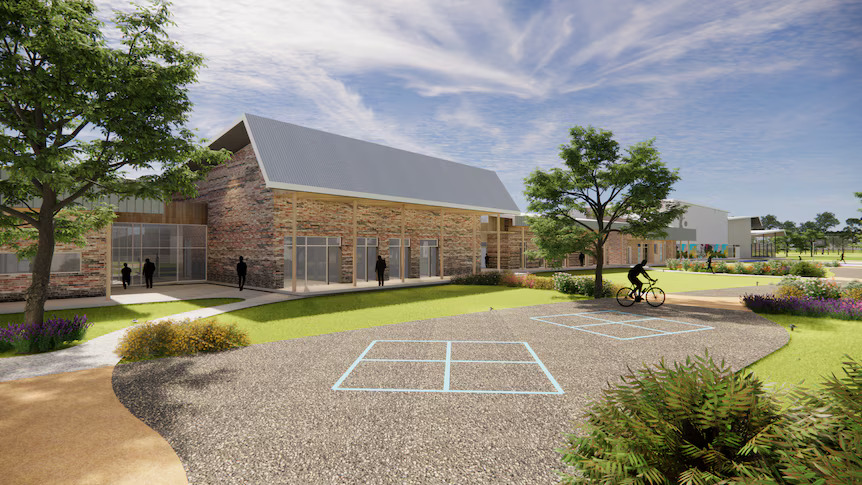
The facility, which includes individual buildings and small "home-like houses accommodating up to four children and young people" is set to to replace northern Tasmania's troubled Ashley Youth Detention Centre (AYDC).
Construction of a new youth justice facility remains opposed by the Tasmanian Aboriginal Legal Service (TALS), who have consistently voiced their opposition to detaining children and young people as the Tasmanian Government undertakes a years-long process of reforming the state's youth justice system.
"We do not support the building of a new youth justice facility and believe the government should be investing in non-carceral methods," TALS chief executive Jake Smith told National Indigenous Times.
"Locking up children is not the answer."
The state government says under the new model, cultural plans will be made for Aboriginal children at the facility with yarning spaces, cultural mentors, and community-led programs to be established.
It also indicated efforts will be made to recruit Aboriginal staff "at all levels".
According to the document, Indigenous children and young people are almost five times more likely to be in Tasmania's youth justice system. Tasmania's Department for Education, Children and Young People told National Indigenous times as of February 5 almost half — seven out of 18 — AYDC detainees were Indigenous.
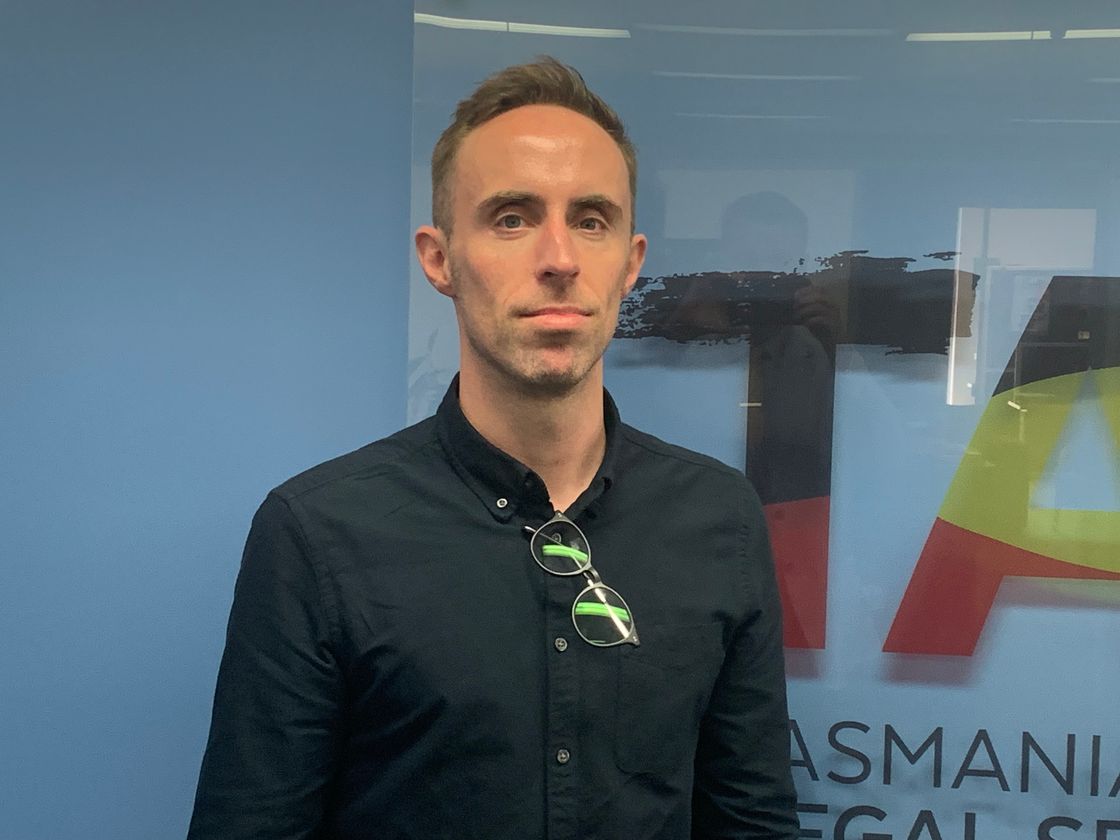
With a high percentage of Ashley's detainee population Aboriginal or Torres Strait Islander, the over-representation of Indigenous youth in Tasmanian youth detention — and the lack of cultural support provided to them — is a major concern for TALS.
"We've been calling for some time that Ashely should close as soon as possible, along with many others," Mr Smith said.
"There are currently no identified Aboriginal positions in the AYDC to support the 30-40 per cent of Aboriginal youth in detention on any given day. This would be a start to support the cultural needs of Aboriginal kids in detention."
TALS' perspective is shared by Tasmanian Aboriginal Elder Uncle Rodney Dillon, who last month called for senior Aboriginal involvement to support detained Indigenous children and young people AYDC.
Mr Smith confirmed TALS has been consulted and provided feedback to the government on the Aboriginal cultural safety elements of the plan, saying the state's peak Aboriginal legal service will submit feedback after consulting with community.
"We recognise this is a high-level document. How it will be implemented, resourced, supported and monitored will be key," Mr Smith said.
"We will now take time to work through the model to understand if our feedback and that of other Aboriginal Community Controlled Organisations has been included, along with recommendations from the recent Royal Commission among other areas that we see important has been included."
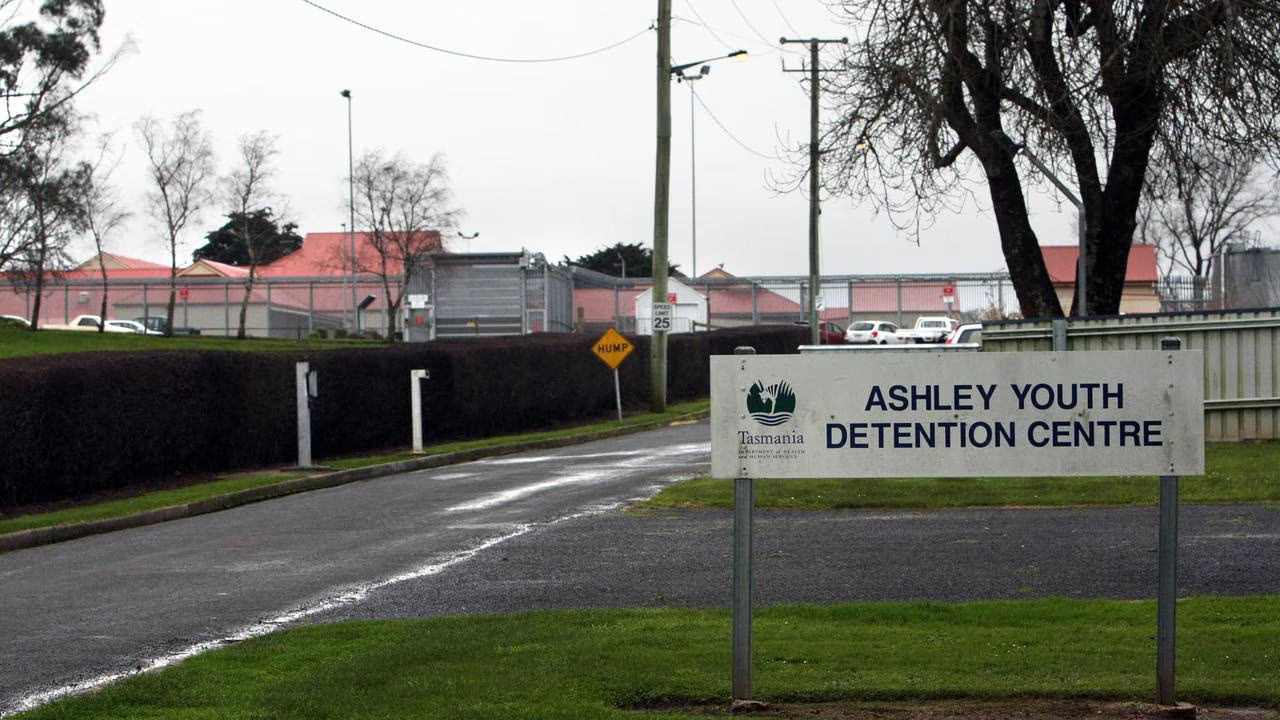
In announcing the draft model of care's consultation period, Tasmanian Minister for Children and Youth, Jo Palmer, said the government was committed to developing "a new youth justice facility that provides a safe and supportive environment and helps young people heal and prepare for life after detention".
"This draft model has been shaped by our children and young people, people with lived experience, and youth justice experts from across Australia and internationally," Minister Palmer said.
However, Mr Smith said more of a focus should be on prevention, and that children and young people shouldn't be detained to begin with.
"We believe more work, investment and resourcing, should be put towards Early Intervention and Prevention, to ensure kids aren't locked up in the first place," he said.
The draft model of care is now available online, with the community feedback being accepted until April 17 before a final model is released later this year.



