




When Martina Hazelbane first worked in the remote Central Australian community of Mutitjulu, she made a promise. One day, she would return and give back in a meaningful way.
That day recently arrived.
Now the Director of the Indigenous Road Safety Academy (IRSA), Ms Hazelbane returned to Mutitjulu to deliver more than just a sponsorship — she delivered on her word. IRSA has officially come on board as sponsor of the Mutitjulu Cats football team, a proud moment that reflected the organisation's core value: community comes first.
"Keeping your word matters," said Ms Hazelbane, a Larrakia/Warai woman and proud founder of IRSA.
"We don't just run road safety education programs — we walk alongside our communities. This sponsorship is about more than just footy; it's about showing we're still here, still connected to country and community, and committed to long-term change."
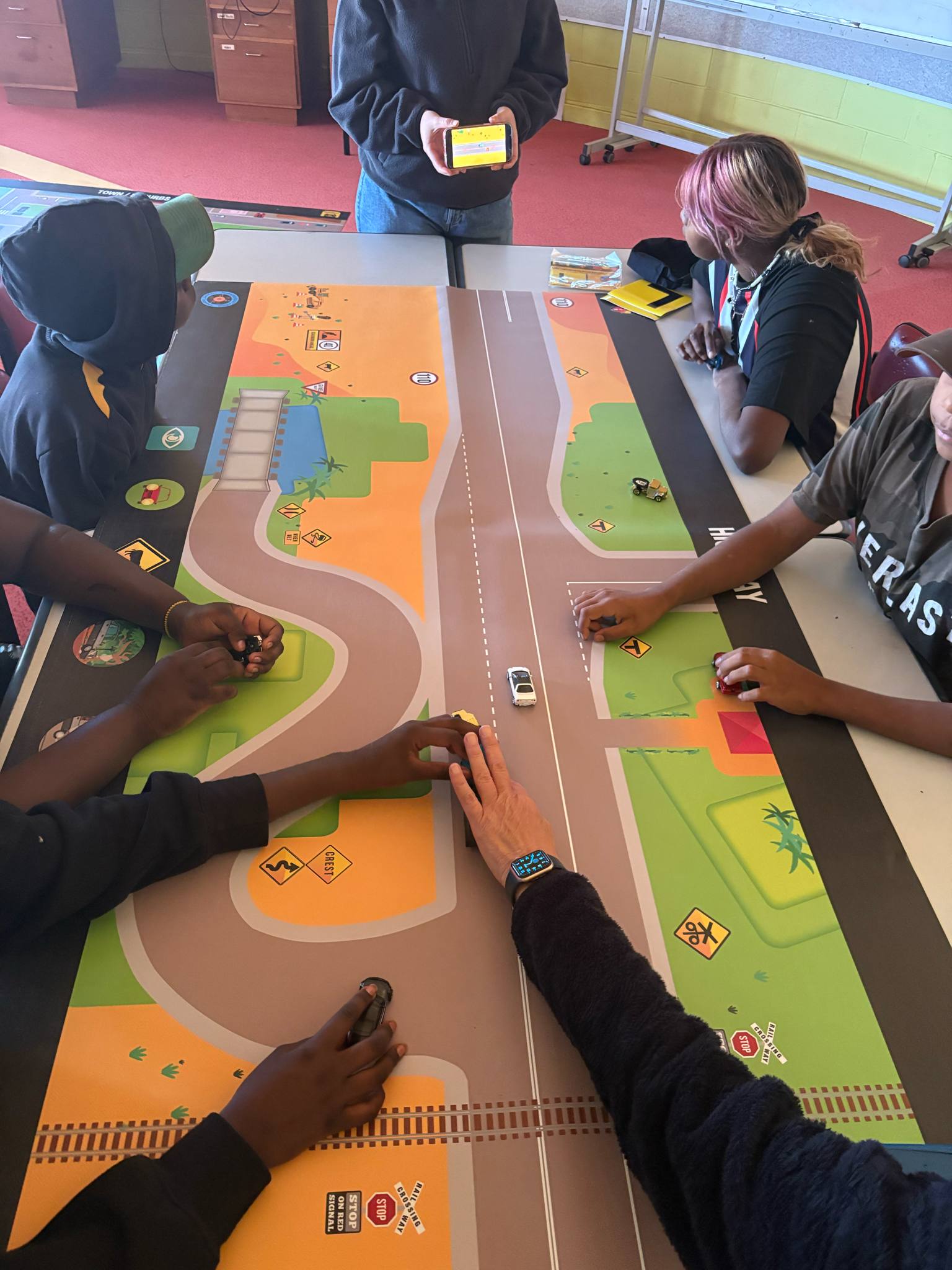
IRSA is a groundbreaking 100 per cent Aboriginal-owned organisation that delivers culturally appropriate road safety education and road safety programs across the Northern Territory and beyond. With a focus on increasing employment opportunities, reducing incarceration rates and road trauma, IRSA is helping communities drive their own futures — safely and on Country.
At the heart of IRSA's work is accessibility. Their programs are delivered using the world class DriveAbout EdTech digital resource and blended learning model tools translated into eight Indigenous languages, ensuring road rules and safety messages are taught in ways that are culturally appropriate, engaging and easy to understand. More importantly in first language.
But the work goes much further than just teaching people how to be safe drivers. IRSA is collaborating with justice stakeholders and community organisations and hope to develop an alternative justice model with supervised pathways for those caught up in the justice system due to minor traffic offences and not having a drivers licence due to language barriers. Rather, than being fined or jailed for driving unlicensed, community members are supported to gain their learner's permits — creating a model that prioritises education over punishment.
"Too many of our mob are caught up in the system for something as simple as not having a licence," Ms Hazelbane said.
"We want to flip that — create pathways, not prison sentences."
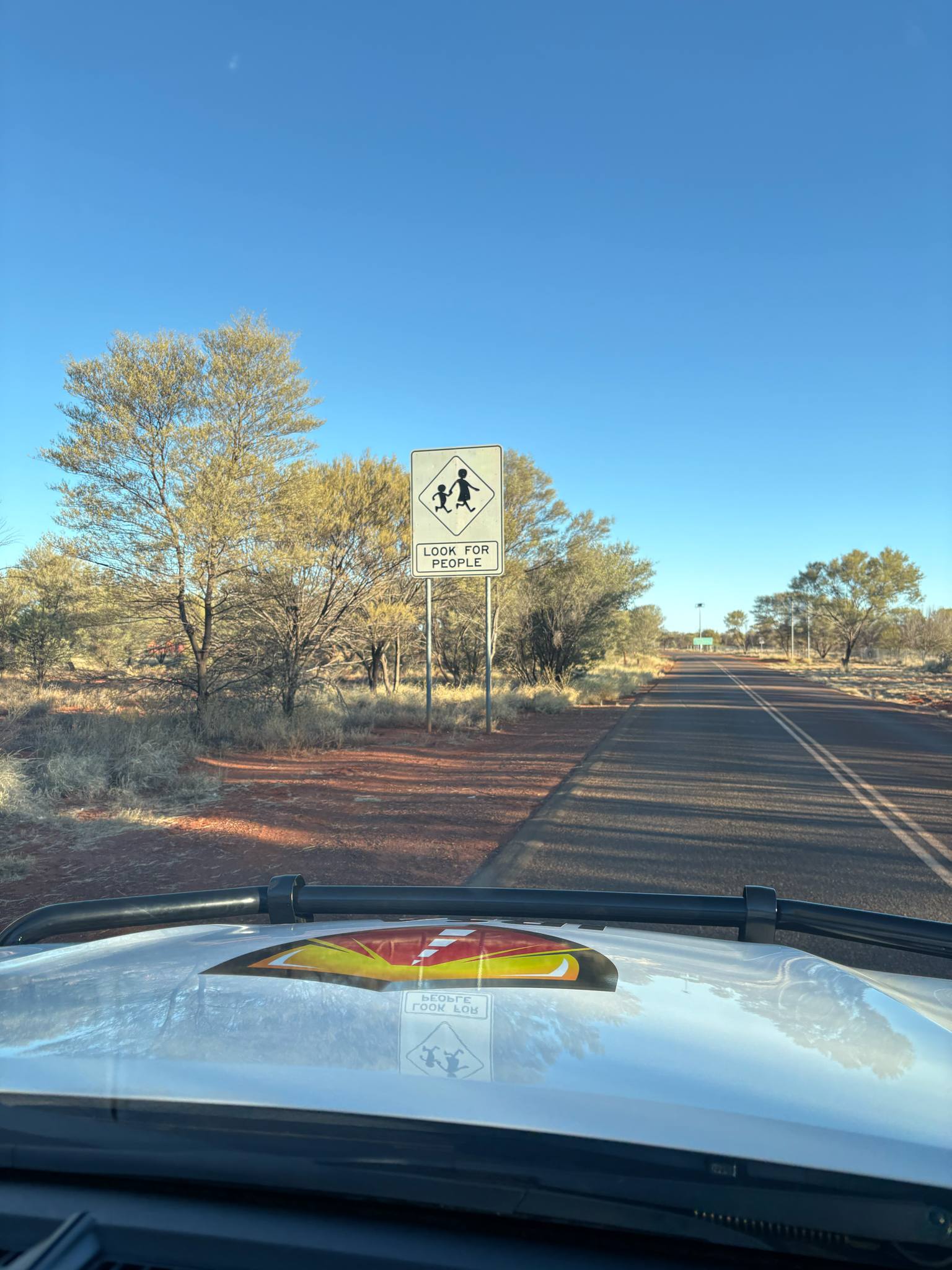
Securing a driver's licence is also a critical step toward gaining employment. IRSA is actively working to reduce barriers that prevent Aboriginal and Torres Strait Islander people from entering the workforce by supporting them to obtain their licences and access safe, legal mobility.
In addition to driver training, IRSA provides education on vehicle finance, insurance and maintenance — helping people make informed, confident decisions when buying and maintaining a vehicle. In remote regions where a car often means access to health care, education and economic opportunity, this knowledge is life changing.
IRSA's vision is one of equity, safety and self-determination. The organisation is tackling some of the most pressing issues facing Indigenous communities — from over-incarceration to unemployment and road trauma — with programs that are built by mob, for mob.
From Mutitjulu to Arnhem Land in the beating heart of Australian Alice Springs, IRSA is working in partnership with communities to deliver lasting change, grounded in culture and connection.
"We're not outsiders dropping in. We are Larrakia mob, walking together, creating change from the inside out," Ms Hazelbane.
To learn more or support the work of the Indigenous Road Safety Academy, visit www.irsacademy.com.au.



