




A significant archive of Indigenous history and cultural knowledge is now accessible after a 30-year embargo expired last month.
The lifting of the embargo makes available field notes compiled by anthropologist Catherine Berndt and her husband Ronald Berndt, based on their decades of travels throughout Australia and Papua New Guinea
Compiled from around 1939 to 1985, the 470 notebooks and 450,000 loose pages contain valuable cultural knowledge for many communities visited by the anthropologists.
Ms Berndt left the field notes to the University of Western Australia under the embargo requirement in 1994, however after its lapsing on 13 May the notes are now accessible to Indigenous communities from across the country.
UWA Vice-Chancellor Professor Amit Chakma said the lifting of the embargo was a significant milestone for the University.
"These communities have a right to access their cultural knowledge and we acknowledge the harm this long embargo has caused," Professor Chakma said.
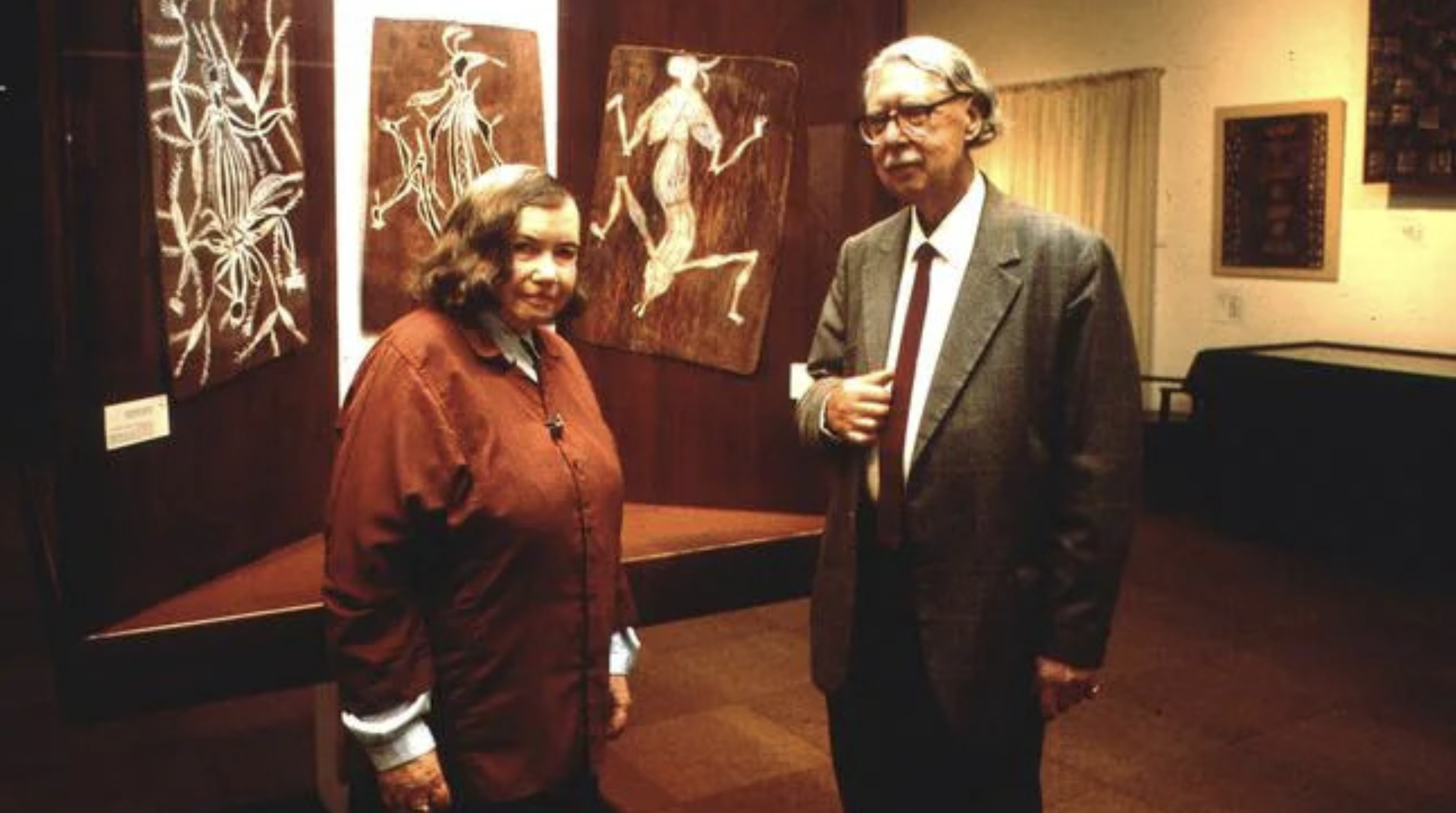
Catherine and Ronald Berndt's field notes are now accessible to Indigenous communities across the country after the expiration of a 30-year embargo. (Image: Tania Young)
The cultural material, art and archives that make up the Berndt's collection is one of many cared for by the UWA's Berndt Museum, which holds a significant collection of Indigenous cultural material
In 2020, the Museum moved from UWA's Cultural Precinct to the University's Indigenous Portfolio, with UWA Pro Vice-Chancellor (Indigenous Education) Professor Jill Milroy, saying the move recognised the need for Indigenous collections to be cared for by Indigenous people and adhere to cultural protocols.
"The embargo has caused significant pain to many Indigenous peoples and communities, and it's important that communities are able to gain access to their cultural knowledge," Professor Milroy said.
"We're currently undertaking a community-first access approach to the field notes. We'll be working directly with Indigenous communities and their representatives to determine what wider access is culturally appropriate.
"We're proud to be an Indigenous-led museum and one of our core priorities is working with Indigenous communities to ensure they can access, control and benefit from their cultural heritage," Professor Milroy said.
Within Australia, the Berndts visited communities in New South Wales, the Northern Territory, South Australia and Western Australia, publishing extensively on many of these communities.
Although the old notes are very fragile, most were digitised and indexed as part of Ms Berndt's original bequest.
Further information about the field notes, a list of communities and locations visited by the Berndts, and access protocols is available on the Museum's website.



