




Bunjil was flying overhead as Wotjobaluk Nations affirmed their "seat at the table" on decision-making about their Country.
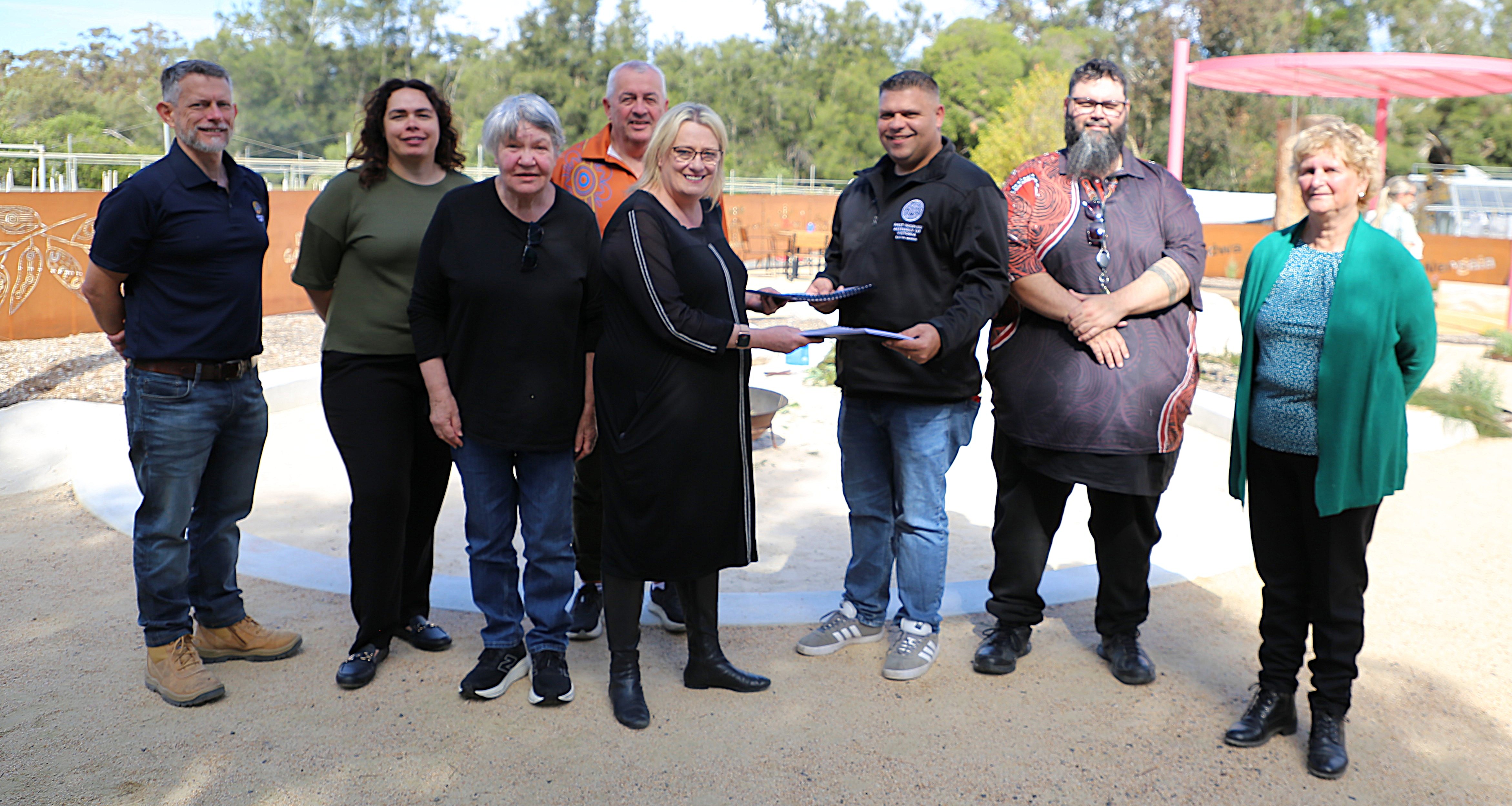
Recently, Barengi Gadjin Land Council formally signed a Land Use Activity Agreement to ensure Traditional Owner rights, knowledge and responsibility listened to in the management of public lands in their region.
BGLC signed off on behalf of Wotjobaluk Nations, representing Jaadwa, Jadawadjali, Wergaia, Jupagulk and Wotjobaluk in Victoria's west and Wimmera as the local Registered Aboriginal Party.
It comes two-decades on from their historic Native Title determination in the Federal Court in 2005 - the first in Victoria, and south-east Australia more broadly.
In 2022 BGLC signed a Recognition Settlement Agreement with the state.
In February, the Council formally joined the Treaty Negotiations Register after submitting its registration to the state's formal negotiations.
Their Land Use Activity Agreement (LUAA) is the latest significant step made.
An LUAA "allows traditional owners to comment on or consent to certain activities on public land' and 'provides procedural rights for recognised traditional owner groups over certain activities that occur on public land", as outlined by the Victorian Government.
"The objective is to enable these activities to proceed, while accommodating third party interests and respecting the rights of traditional owners attached to the public land."
The Agreement does not have any impact on private homes and commercial property as well as existing infrastructure on public land - which are 'grandfathered' into the agreement.
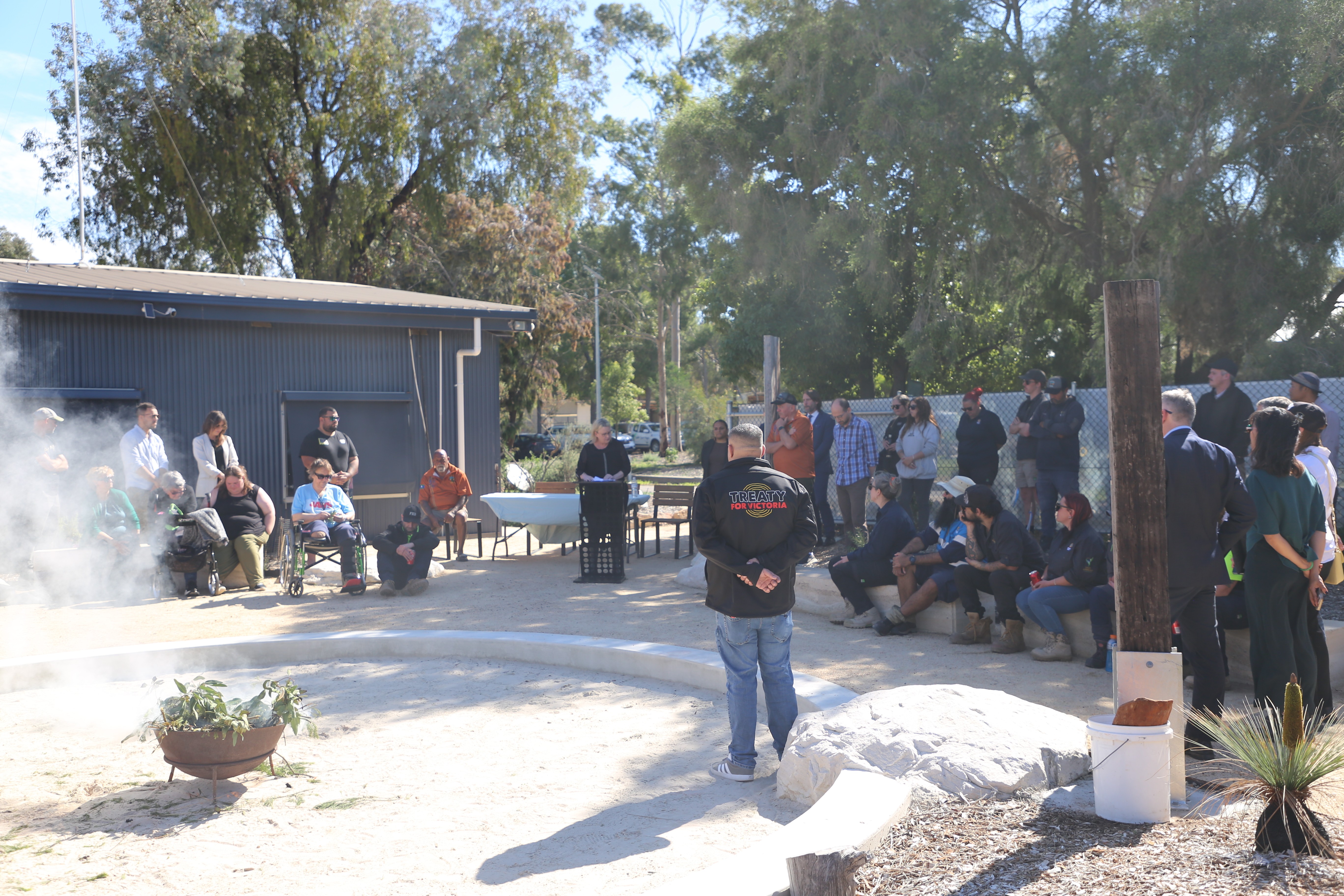
Recent appointment to the state's Minister for First Peoples, Ros Spence, attended the signing ceremony on Country at the Dalki Garringa Native Nursery in Wail.
The wedge-tailed eagle, Bunjil, the Wotjobaluk, as well as Kulin Nations, creator spirit flew overhead as the ceremony took place.
Chris Harrision is a Wotjobaluk Traditional Owner and BGLC chair.
"The Wotjobaluk Nations have managed this land for tens of thousands of years. This agreement ensures that when decisions are being made about public land in our region, we have a seat at the table," he said.
BGLC chief executive Chris Santaguiliana said it was important to remind the agreement does not impact or take away the rights of freehold or leasehold owners.
What it does do, he said, is make clear that in the event of "any significant activities on Country that affect Crown Land, Traditional Owners have their rights recognised to have their say in what happens".
"On a practical, day-to-day basis, that's what it's about. It's about ensuring that tens of thousands of years of knowledge and caring for Country is heard, and is incorporated into what happens to Country."
For instance, a patch of Crown Land, or public land, the state no longer requires and would go into freehold grant processes, BGLC now has to be included in consultations as to whether to proceed, Mr Santaguiliana gave as an example.
Mr Harrison added Country will also benefit from Traditional Owner expertise, through preservation, cultural heritage and biodiversity efforts with the recognition.
"Giving Traditional Owners - who have tens of thousands of years of deep knowledge about caring for Country - a voice in these matters benefits everyone, including local Mob, local communities and the local economy," he said.



