



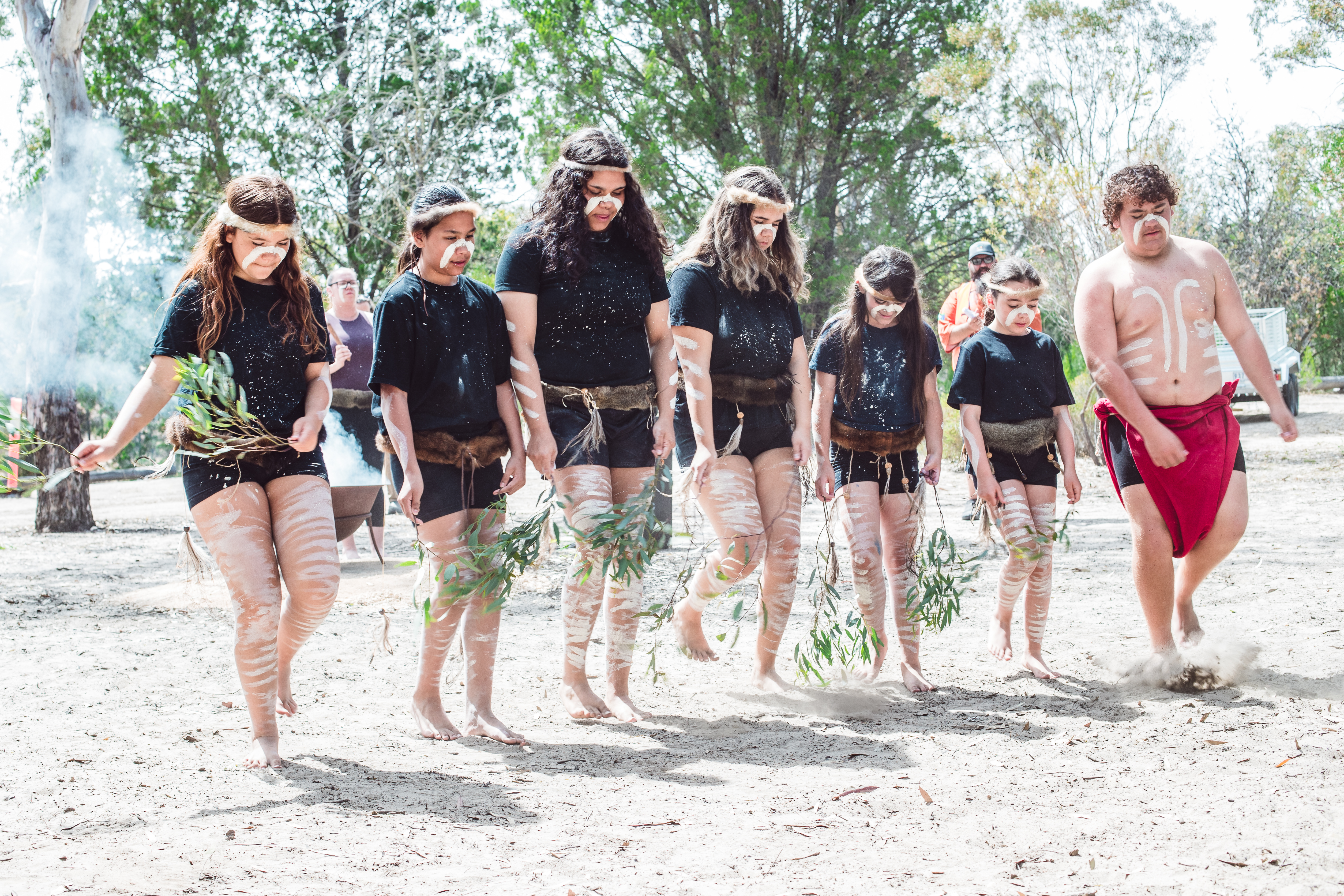
On Saturday, in Victoria's Wimmera, Dalki Murrup Ceremonial Performance Group danced with a connection to land, culture and language in a way which wasn't always possible.
Barengi Gadjin Land Council chair Chris Harrison told National Indigenous Times that the shift over the past two decades has been significant.
"To do dances about your area, your space, is massive," he said.
"You go back 20 years ago, it was usually a borrowed dance or a shared dance that was brought in. To have that developed locally, by certain people, but also by the youth as well that are a part of it... The revival of having our own storytelling, the revival of having our own language, the revival of having our own performances, is a massive feat."
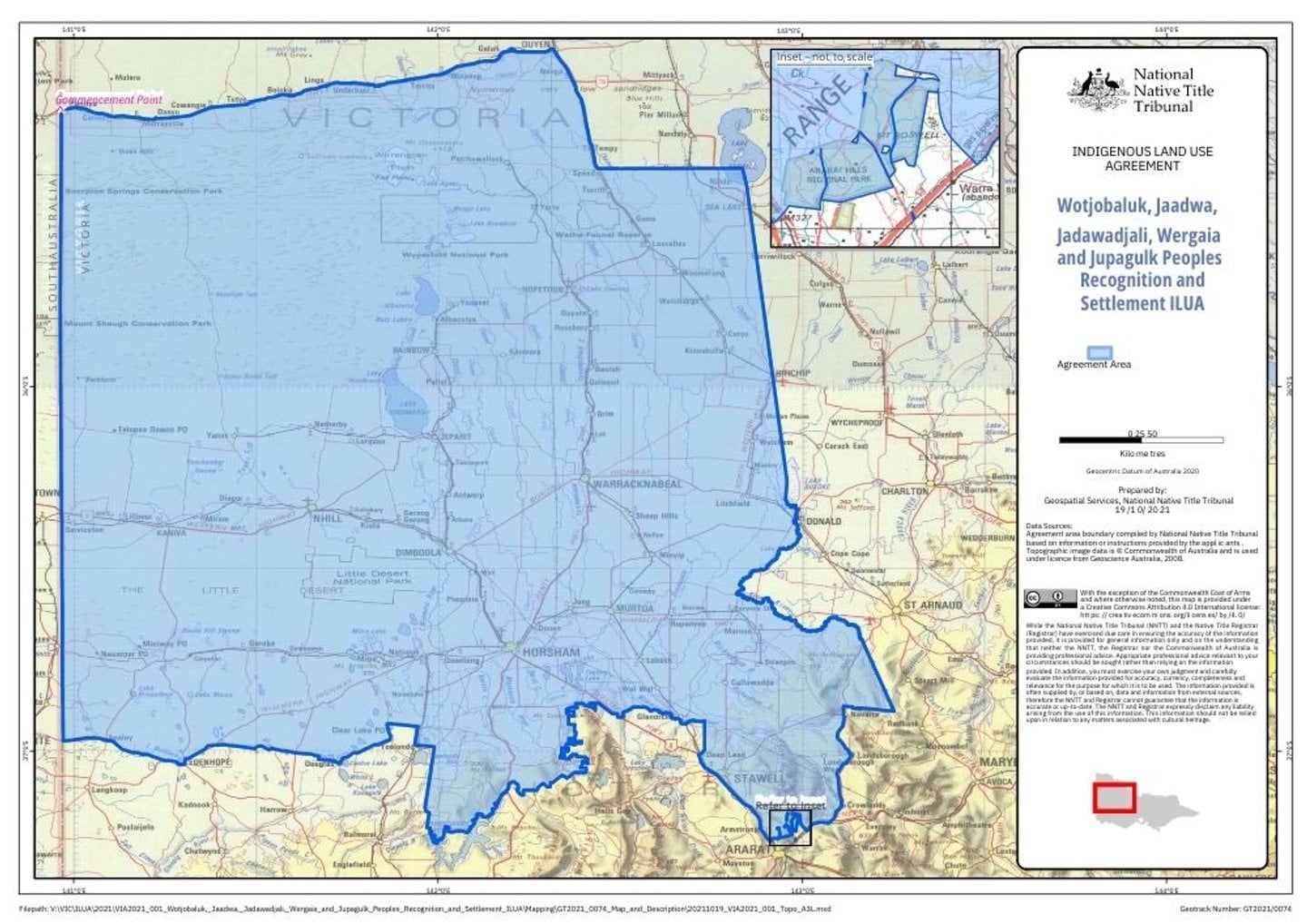
Mr Harrison was once "a youngfella, getting dragged around by my grandmother", who was one of a number of Aunties and Uncles "leading the charge" for Native Title for the Wotjobaluk Nations - Wotjobaluk, Jaadwa, Jadawadjali, Wergaia and Jupagulk (WJJWJ) peoples.
He said Dalki Murrup's dance at the weekend was an example of the revival of "our own" storytelling, language and performance, drawing from a "legacy piece that's written in the history of Victoria, but more importantly, for our mob here and in Wotjobaluk Nations".
On December 13, 2005 the Federal Court made its first determination recognising Native Title in Victoria, and south-east Australia more broadly, in the state's Wimmera and Southern Mallee.
Saturday marked 20 years since the day, celebrated with the Wotjobaluk Nations Festival at Horsehoe Bend just outside of Dimboola.
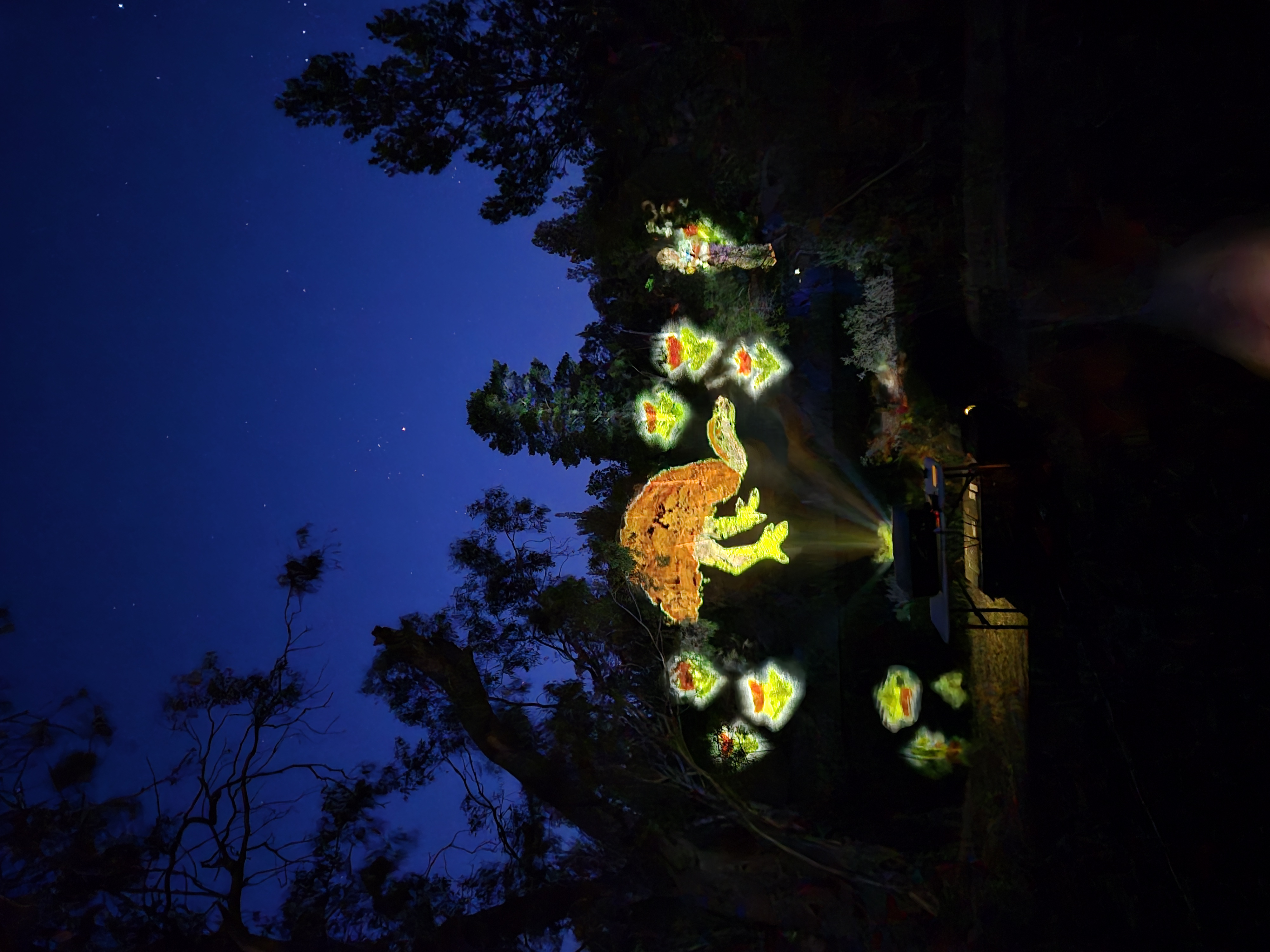
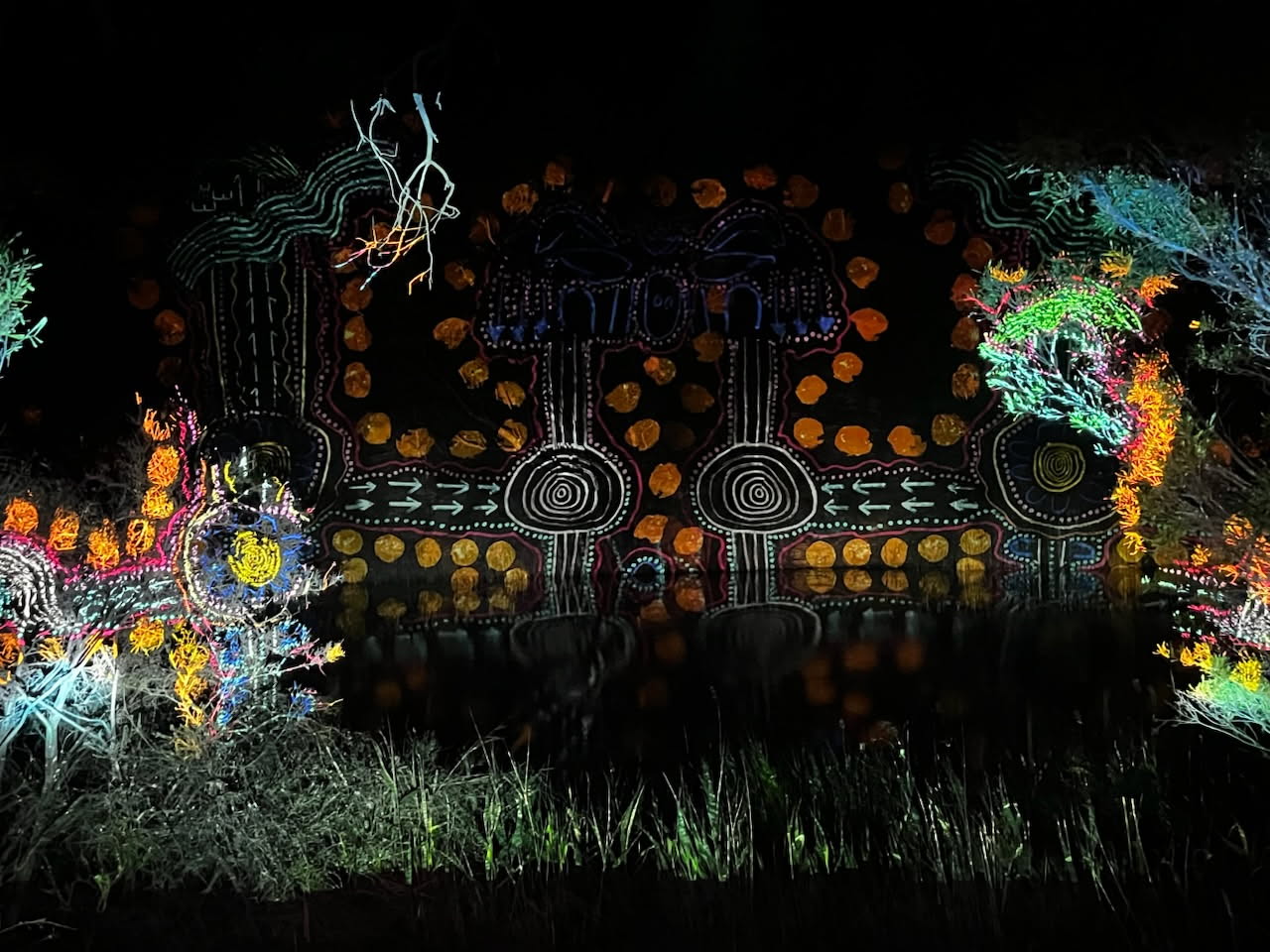
After mob and kin private ceremony, all allies and friends were invited to join from the afternoon for performance, workshops, food, weaving, boomerang painting, river walks and light show projections on the banks of the Barringgi Gadyin (Wimmera River).
Aunty Janine Coombs said the milestone showed "what is possible when we all come together in unity".
"Today's celebration is about connection to Country, Culture and Community," she said, speaking on the day.
"First and foremost, it is about giving our Traditional Owners-of all generations, the opportunity to come together and celebrate such an outstanding achievement.
"It is about honouring the Elders who were instrumental in getting us to this point, remembering them today, and embracing and educating the younger generations who follow. And it is also an opportunity for the broader community to stand with us as allies."
Aunty Janine is a board member of Barengi Gadjin Land Council (BGLC), the prescribed body corporate for, and Registered Aboriginal Party representing Wotjobaluk Native Title and peoples.
"Today marks 20 years since the Wotjobaluk Nations achieved Native Title recognition, a milestone that invites us to reflect on the strength and resilience of the Wotjobaluk, Jaadwa, Jadawadjali, Wergaia and Jupagulk Peoples, and what is possible when we all come together in unity," Aunty Janine said.
"It's a moment to acknowledge the ongoing work to revitalise culture, protect Country, and strengthen community.
"To have Wotjobaluk Nations created dances, and to see the younger generation embrace Culture so fully, and to witness that in all its glory, it gives me a real sense of pride".
Since 2005, the Native Title determination progressed from a Land Use Agreement to a Recognition Settlement Agreement, signed in 2022.
Speaking ahead of the feastival, Mr Harrison said it's almost unbelievable to see the changes in the time since.
From one project officer early days, BGLC has grown to more than 50 employees between part and full-time staff covering all manner of tasks and responsibilities after the transition of "onus" back to Traditional Owners, he explained.
Mr Harrison added economic opportunity and growth has also been significant.
"You go back 20 years ago, you didn't really have much of a say. It's opened up those doors, it's opened up those avenues. It's opened up those conversations, it's opened up those agreements. It's opened up a whole gamut of different areas for people to be a part of," he said.
A handful of other successful determinations in Victoria have taken place since.
Yorta Yorta people were unsuccessful in the year's previous to Wotjobaluk's agreement, with Recognition and Settlement Agreements for Dja Dja Wurrung People in 2013, Eastern Maar Native Title in 2023 and for the First Peoples of Millewa-Mallee earlier this year.
Additional Traditional Owner Settlement Acts have also been signed across the state.
Some community members and Elders who led Wotjobaluk's journey and did "a lot of the hard work" couldn't be there to celebrate on Saturday.
"We've come off the footsteps of Elders and Uncles and Aunties that led the charge," Mr Harrison said, with others now able "to walk in the shadow of those giants".
With any luck, future BGLC staff members, even chief executive, were among those young people at the ceremony on Saturday, he added.
"Native Title recognition is about having our connection to Country acknowledged, being seen and respected, and giving our young people strong foundations of identity, belonging and responsibility," Mr Harrison said on Saturday.
"Since recognition, our Community has grown stronger. We've strengthened our voice, deepened our culture, and continued to care for Country.
"Today isn't just about looking back, it's about what we carry forward. Native Title is a responsibility to our Elders, our children and the generations to come."
BGLC On Country Manager Colin Gorton similarly paid respect to those who came before making the celebrations possible.
He declared the 20 year anniversary as a "profound moment".
BGLC will soon introduce their new Yity Yity Land Management Board which will lead the Joint Management and protection of Country for an area covering 12 parcels of "significant land across our self-determination space".
It was also announced the Land Council will enter local Treaty negotiations, following the state's landmark formal signing with First Peoples in October.
"The aspirations is (about) how do we build something which gives us further rights to better be self-determined," Mr Harrison said, of Treaty.
"How to be decision-makers, and to go past what colonisation has set as parameters, to make sure that we have that we can build in prosperity, but also economic wealth that benefits not just our community, but all communities," Mr Harrison said.
Local Treaties exist as part of the framework for the broader movement in Victoria.
The Treaty Authority defines local Treaties as: "Unlike Statewide Treaty, which will cover statewide matters that affect all First Peoples within Victoria, local Traditional Owner Treaties relate to matters that are important to Traditional Owners in their own local areas."



