




Traditional Owners of the Beetaloo Basin, located approximately 500 kilometres south-east of Darwin, have called for a halt to plans for large scale fracking production in the region until proper consultation occurs with Native Title holders.
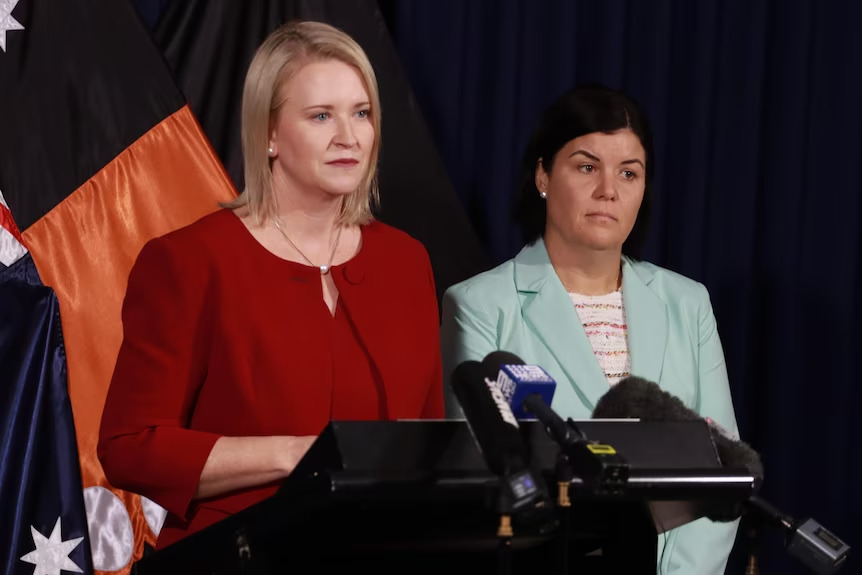
It comes as Northern Territory Chief Minister Natasha Fyles announced the Territory government will permit fracking in the Beetaloo Basin, following the lifting of a five-year moratorium.
Ms Fyles claimed that all recommendations of the Pepper Fracking Inquiry have been implemented, and said Traditional Owners would be involved in the approval process whilst retaining the power to veto.
"The Territory government will move carefully to manage the onshore gas industry through our strengthened regulatory framework, ensuring greater transparency and accountability and ensuring that traditional owners Aboriginal people have a seat at the table," Ms Fyles said.
"I want to make it clear (that) Traditional owners, Aboriginal Territorians have the power to veto a project."
However Traditional Owner and jungai (cultural lawman) for the area, Johnny Wilson, disputed Ms Fyles comments, pointing to the incorrect claim by the Minister that Traditional Owners have veto power at the production stage of fracking developments.
"The Chief Minister is incorrect to claim today that Traditional Owners have the power to veto production on our country. Justice Pepper made it clear in her report that this is not true," Mr Wilson said.
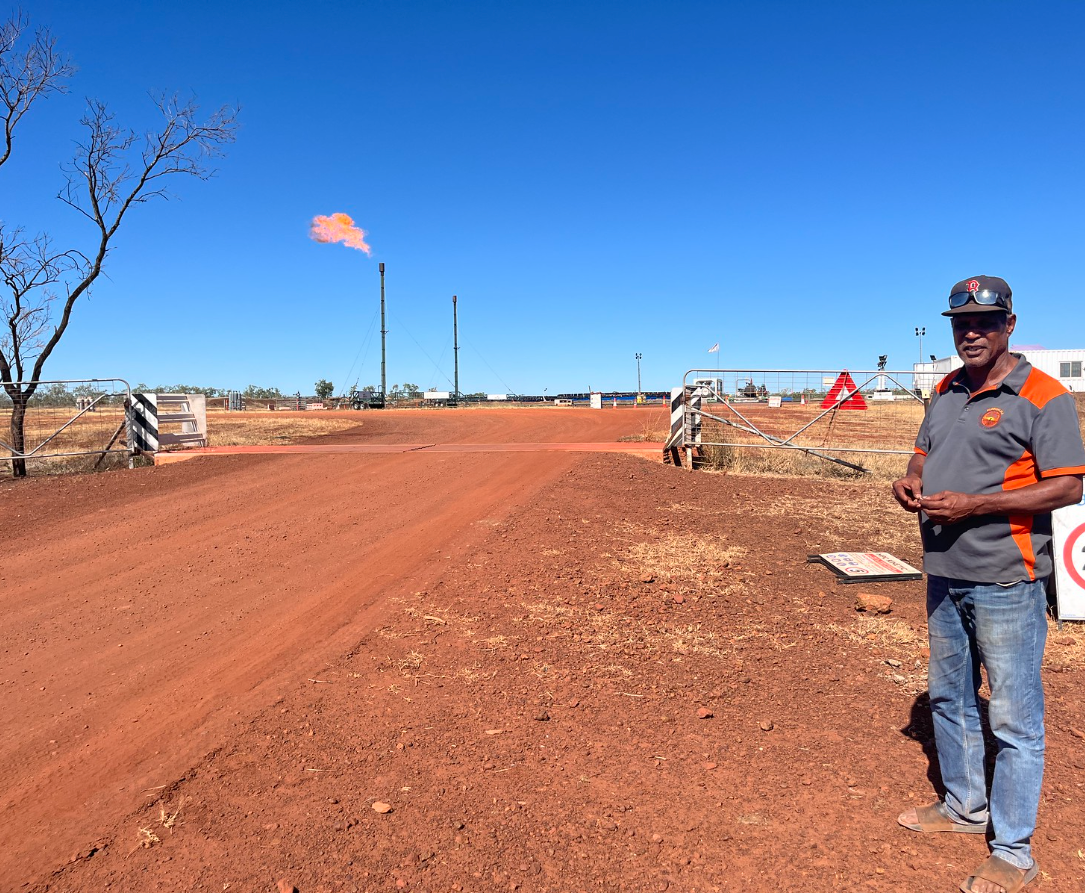
"There is no veto right at production stage under Native Title or land rights laws," he said.
"When our old people said yes, many years ago, they had no idea of the many thousands of wells we are looking at now."
Referring to the right to veto in the Pepper Report, the report notes "traditional Aboriginal owners can only exercise their veto right at the exploration phase" and "if traditional Aboriginal owners say 'yes' to exploration they also say 'yes' to production, even if they know very little about the scope and scale of the project".
The report also states "land councils and traditional Aboriginal owners do not have the right to stop production once they have agreed to the grant of an exploration permit".
Mr Wilson said the government's decision to lift the moratorium, opening the door for fracking in the Beetaloo Basin equates to a broken promise.
"The government has broken its promise to us that it would implement all recommendations of the Pepper Inquiry before fracking starts," he said.
In communities it's clear that the government has not done a proper job of making sure Aboriginal people understand the huge impact fracking will have on our country and that our voice is heard.
The Nurrdalinji Aboriginal Corporation says other key recommendations of the Pepper Inquiry have failed to be implemented, including inadequate information being given to Aboriginal people and that no solution to the requirements to offset emissions had been reached.
It also highlighted the lack of approval for water allocation plans, including the federal government not yet putting in place the promised 'water trigger' for onshore fracking in federal environment legislation.
Mr Wilson said neither the government or industry are listening to Traditional Owners of the Beetaloo Basin.
"Fracking companies are still not listening to the wishes of Traditional Owners who do not want thousands of flaring wells that will destroy our country," Mr Wilson said.
"No one we speak with has ever understood, or now understands, the scale of what is coming. We're not received the promised clear, accurate information about the impacts of fracking and interpreters still aren't provided at meetings by gas companies.
"We have repeatedly asked for a regional meeting of Traditional Owners across the Beetaloo, but no one has helped make that happen."
The NT government estimated in the Pepper Inquiry Final Report that more than 6,000 wells could be drilled in the Beetaloo Basin if the fracking industry progresses.



