


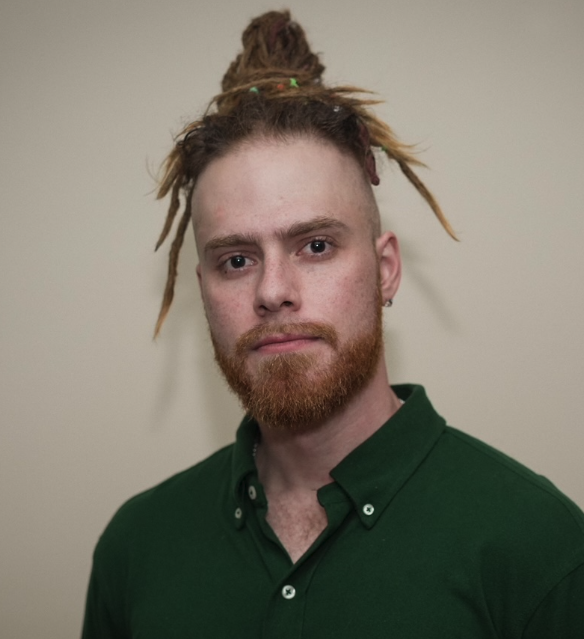

Gunggari and Gubbi Gubbi man Steve Renouf is calling for better access to diabetes education and care for Aboriginal and Torres Strait Islander people.
The rugby league legend draws from his own experience living with type 1 diabetes for more than 30 years.
Diagnosed during his professional playing career at age 22, Mr Renouf said having the right support early on helped him manage the condition and continue playing at an elite level.
"I was lucky," he told National Indigenous Times.
"I was diagnosed as well as playing for a professional rugby league team and I had access to the team. So I could do my career.
"But there's a lot more resources and there is a lot more education... but not everyone has the access that we had."
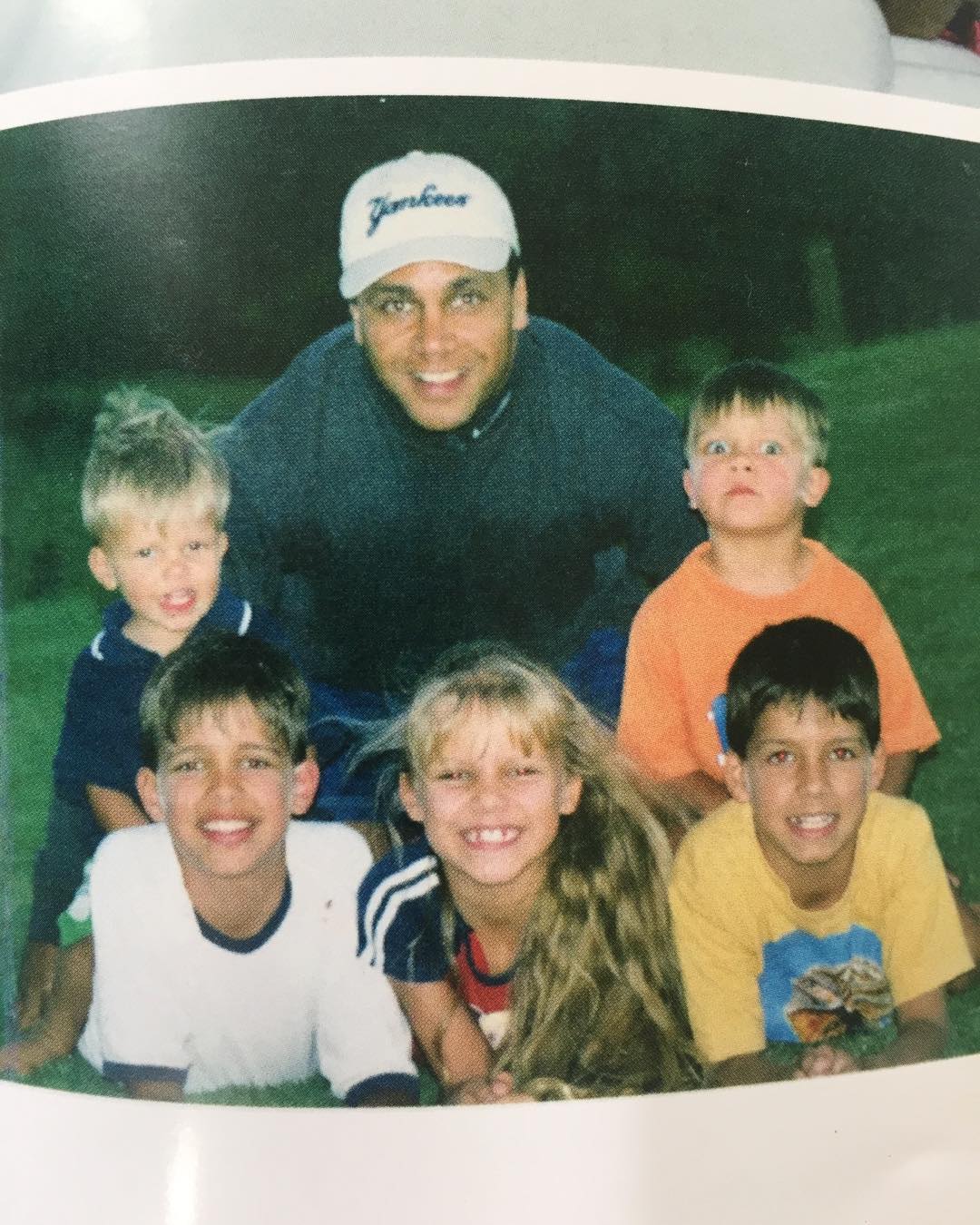
All five of Mr Renouf's children also live with type 1 diabetes.
He credits Credentialed Diabetes Educators (CDEs) for helping his family maintain a high quality of life.
"For us to have a diabetes educator at hand just made things so much easier," he said.
"They're always there and 24/7 you could give them a call.
Diabetes in Indigenous communities
Aboriginal and Torres Strait Islander people are 2.8 times more likely to have diabetes than non-Indigenous Australians and face far higher rates of hospitalisation and death from diabetes-related complications.
Mr Renouf said diabetes has long been a widespread issue in community.
"Throughout our community and our mob, diabetes has been rife for a long, long time," he said.
"There just needs to be this awareness out there... that there is help there and assistance for our mob."
%20(1).jpg)
Ms Susan Davidson, CEO of the Australian Diabetes Educators Association (ADEA), said the inequities in diabetes care stem from a range of structural issues.
"Access is a huge issue, especially in regional and remote areas," she said.
"There's also historical reasons... colonisation and cultural safety issues... that continue to affect whether people feel safe accessing care."
She said many people in Indigenous communities feel diabetes is inevitable and untreatable.
"There's this feeling of inevitability, complications are inevitable, so there's nothing we can do about it - but that's actually not the case," she said.
The role of CDEs
CDEs are trained to provide personalised diabetes care, helping people manage the condition day to day, prevent complications, and understand how their diabetes behaves.
"Just like each one of us is individual, so is everybody's diabetes unique to them," Ms Davidson said.
"CDEs help the person set their personal diabetes management goals... and they develop strategies with them to help them achieve those goals."
Mr Renouf said CDEs have been crucial in improving outcomes for his family and others.
"They've made a massive difference in my journey," he said.
"For my kids, it was lucky that I had already had it for a number of years. But not everyone has the access."
Ms Davidson noted CDEs also play a role in early prevention.
"They help people who are at risk of diabetes from developing diabetes," she said.
"They also support diabetes management in people who do have it to help them to live well... and prevent complications."
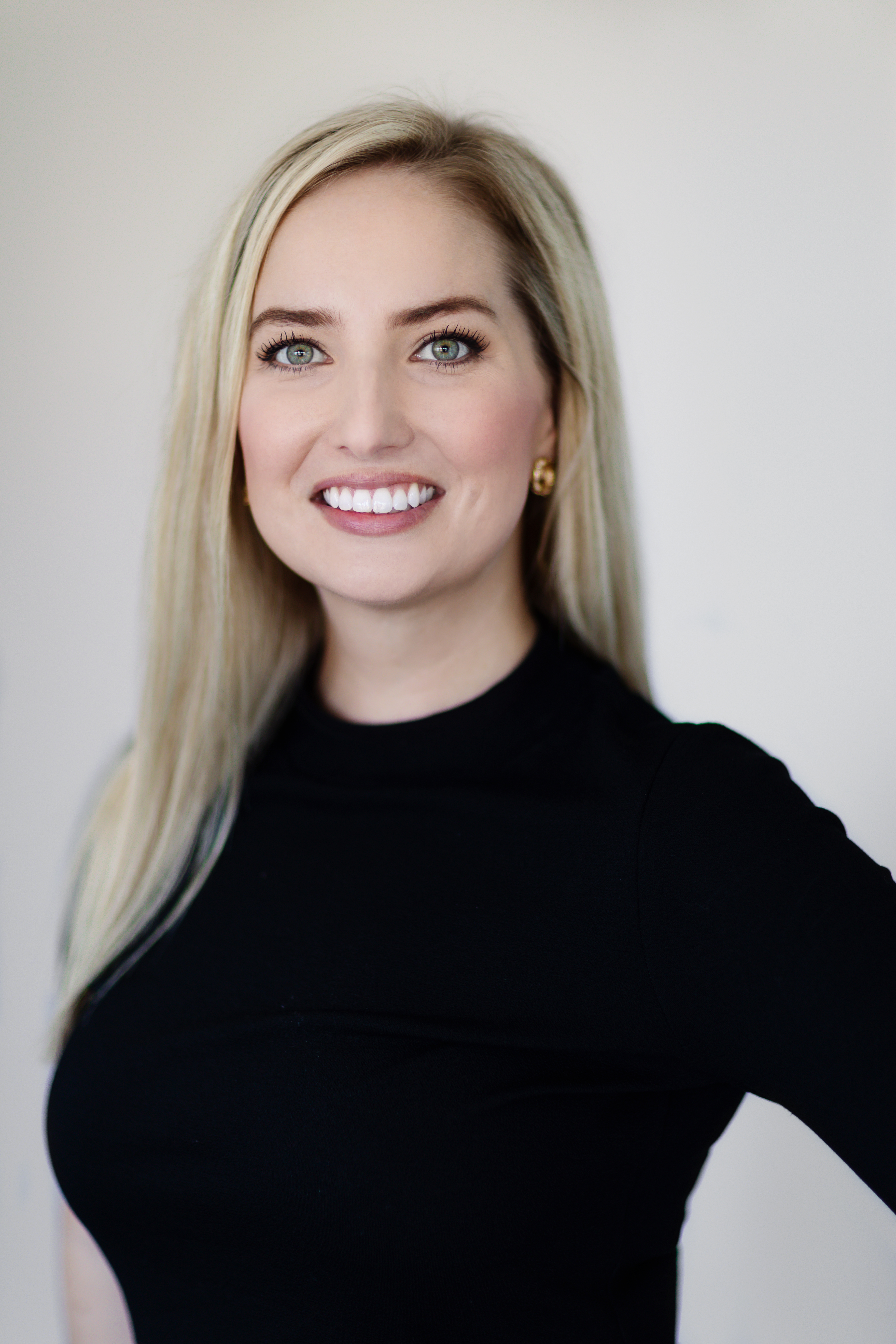
Mr Renouf's CDE, Laura Zimmerman, emphasises the vital role these educators play.
"Diabetes educators can be that bridge in First Nations communities," she said.
"CDEs take the time to listen, learn, and connect.
"That personalised approach makes a real difference."
Raising awareness and improving access
Despite their value, Ms Davidson said many Australians, including GPs, are unaware of what CDEs do or how to refer people to them.
"People tend to think of doctors and nurses, but CDEs are a critical part of the team," she said.
She encouraged people to be proactive about seeking support.
You can ask your GP for a referral to a CDE - you don't need to wait for the GP to offer it.
If there isn't a CDE in your area, many offer telehealth education, so you can still get support with your diabetes management that way.
Only about one per cent of CDEs identify as Aboriginal or Torres Strait Islander, but the ADEA is aiming to grow that number through training and scholarship support.
"We've created a new eligible profession so that Aboriginal health practitioners can credential as a CDE," she said.
"We also have a scholarship program to encourage Aboriginal and Torres Strait Islander health professionals to consider a career in diabetes education."
"There's a 'Find a CDE' tool on our website… People can put in their postcode and it'll show their nearest CDE."
Mr Renouf said encouraging people to get their 715 health check is a key first step.
"Just get your 715 health check," he said.
"That's a good preventative tool... you find out if you do have a problem that you're not aware of."
Barriers and systemic change
Both Mr Renouf and Ms Davidson said more needs to be done to address structural barriers that prevent Indigenous people from accessing ongoing diabetes care.
Mr Renouf said many people still carry fears and trauma associated with diabetes.
"There's this thing with our mob that… 'Oh well, you know, I've got diabetes and I'm going to die,'" he said.
"We really need to change that within the community."
"It's not something you get and you can't live with… you can live with it and you can live successfully."
He said increasing education and support through culturally safe services is vital.
"It all comes back to education," he said.
"The more we have out there through what we do, especially through our medical centres, the better off we're going to be."
Ms Davidson said policymakers should focus on increasing the number of Aboriginal and Torres Strait Islander health professionals, particularly CDEs.
"We believe the best care for Aboriginal and Torres Strait Islander people is actually provided by Aboriginal and Torres Strait Islander health professionals," she said.
"We need more support for training… especially in regional and remote areas where travel and placements are difficult and costly."
She said changes are also needed to ensure culturally safe care is a standard.
"If people don't feel safe accessing care, it's not going to make any difference," she said.
"Cultural safety training and support must go hand in hand."
Investing in community-led solutions
Mr Renouf praised ADEA's First Nations CDE Scholarship program, which supports Aboriginal and Torres Strait Islander health workers to become credentialled.
"It's about supporting our mob to work with our mob," he said.
"The cost of qualifications can be pretty hefty at times… so for the ADEA to do that, I think that's big."
"We need more Aboriginal and Torres Strait Islander educators in the system."
Ms Davidson said the scholarship is part of a broader effort to create long-term, community-led health leadership.
"We're trying to build more role models," she said.
"When people see someone in their family or community become a health worker or CDE, they start to believe they can do it too."



