




The National Indigenous Australians Agency (NIAA) has not engaged with the Communications Minister on gambling issues impacting First Nations communities, despite new research showing a significantly higher concentration of poker machines in areas with large Indigenous populations.
At Senate Estimates on Monday, the NIAA was questioned about an Australian Institute report released last month showing local government areas with higher Indigenous populations have 50 per cent more poker machines.
While 16 per cent of Australians live in areas with more than one poker machine per 100 people, the figure doubles to 32 per cent for Indigenous Australians. The findings align with the National Gambling Prevalence Study Pilot, which reported 27 per cent of First Nations people are experiencing gambling harm; double the rate of non-Indigenous Australians.
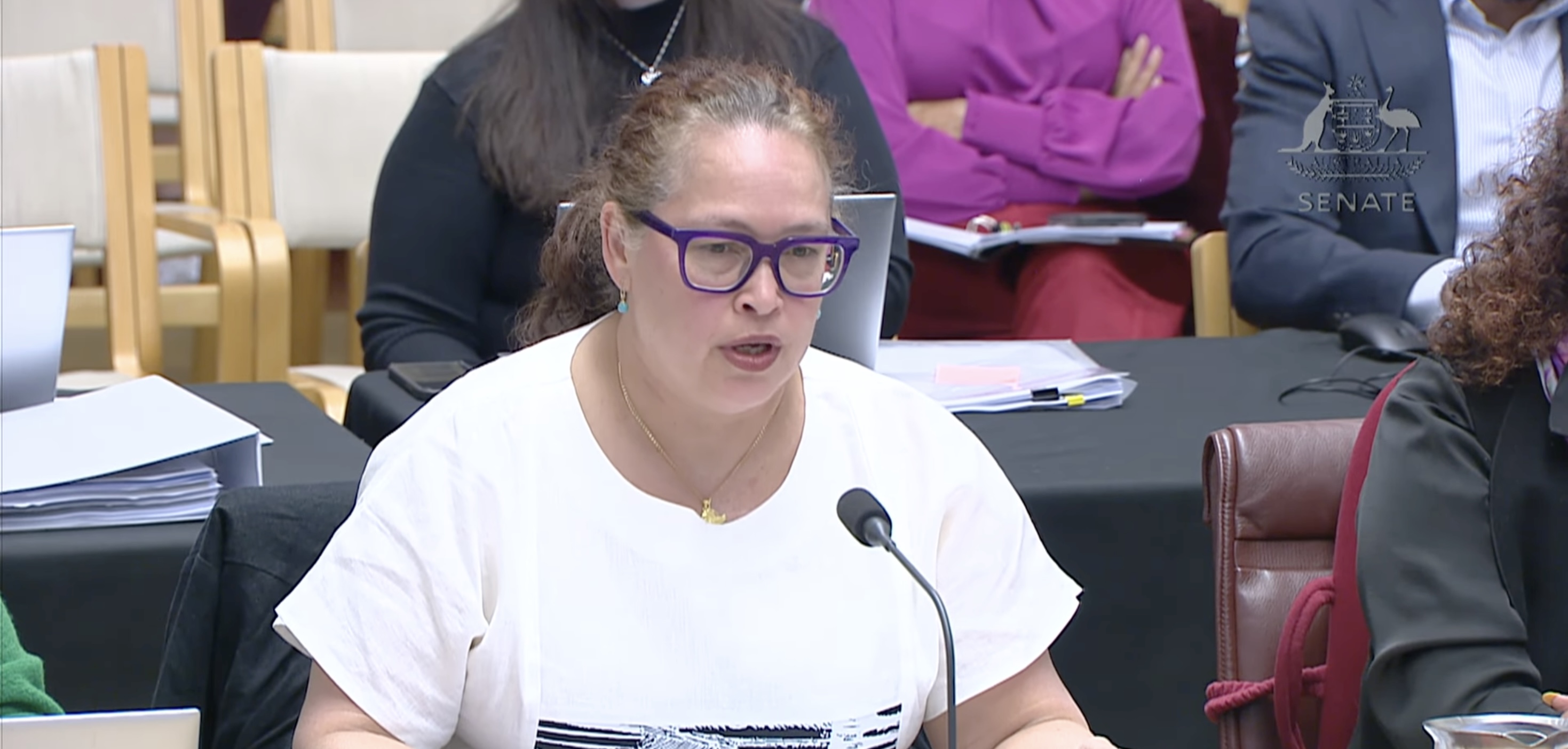
Greens Senator Barbara Pocock asked newly appointed NIAA CEO Julie-Ann Guivarra whether the agency had engaged Communications Minister Anika Wells on the data or the recommendations of the late Labor MP Peta Murphy's You win some, you lose more report.
Ms Guivarra replied that the agency had not "spoken directly" with the Minister and took the question regarding Ms Murphy's report — which recommended a total ban on gambling advertising after a three-year phase-out — on notice.
"There are a range of things that the NIAA does in relation to supports for First Nations people on financial literacy, as does the Department of Social Services," she said. "But, on this specific issue about gambling, we haven't spoken to the minister."
The Albanese Government continues to face increasing pressure to address gambling harm, with crossbenchers, unions, Labor members and advocates urging action almost two years after Ms Murphy's report — which was strongly opposed by major sporting codes and betting companies.
Asked how gambling affects First Peoples, Minister for Indigenous Australians Malarndirri McCarthy told Estimates it was "certainly a concern". She claimed she frequently sees gambling in remote regions extending beyond pokies to informal card games involving large sums of cash.
She said addressing these issues would require close cooperation with state and territory governments.
"It's not just poker machines, even though the poker machines are at the forefront of the concerns in the report," Senator McCarthy said. "There are many other issues around gambling that we certainly need to have a look at. Again, these are issues we've got to try and work on with our state and territory counterparts."
Senator Pocock highlighted state-licensed poker machines are being heavily concentrated in vulnerable First Nations communities, in which Senator McCarthy agreed, saying the concern intersects with her disquiet over justice issues.
"We want to see the reduction of Indigenous people in our jails, and we know that that does come under the jurisdiction of states and territories," she said. It's a constant conflict and a challenge."
Last month, Cape York Institute for Policy and Leadership CEO Kirstyne Davis claimed governments are "addicted to gambling revenue" and argued the gambling industry targets low-income, high-unemployment Indigenous regions, deepening inequality and entrenching harm.
"If they are serious about Closing the Gap, reducing suicide, incarceration, our life expectancy — currently 20 years shorter than mainstream Australia — they cannot allow powerful vice industries like gambling to profit from and contribute to such deaths of despair," she said.
Alliance for Gambling Reform CEO Martin Thomas has previously said evidence shows the gambling industry is deliberately targeting Indigenous communities, causing severe financial, social and mental health harms.
"Indigenous people are highly overrepresented among the numbers of problem gamblers and this is having far reaching consequences in terms of financial harm, relationship breakdown and violence, mental health, and even suicide," he said.



