



Content warning – this article contains references to domestic and family violence.
Alison Scott knows the pain of domestic violence not just through statistics, but through the deepest kind of personal loss - the kind that changes a life forever.
After the tragic loss of her sister to violence in 2019, and through her own experiences in abusive relationships, Ms Scott understands intimately how domestic and family violence can impact individuals, families and communities.
She is bringing her insights to the national stage at the 2025 NAIDOC National Forum, held on 4 July in Boorloo/Perth and featuring Aboriginal and Torres Strait Islander speakers from across the country.
The event will celebrate 50 years of NAIDOC with the theme "The Next Generation: Strength, Vision and Legacy".
As one of 18 speakers representing this year's theme, Ms Scott will advocate for breaking the pattern of violence in First Nations communities and promoting Indigenous-led reform.
A proud Noongar woman from Boorloo, Ms Scott has been a long-time advocate against domestic and family violence. She is currently co-chair of the National Lived Experience Advisory Council for Domestic, Family, and Sexual Violence, as well as owner of Kwobap Consultancy.
In Australia, one in four women and one in fourteen men have reported experiencing domestic violence. Furthermore, Indigenous Australians are 32 times more likely to be hospitalised due to family violence than non-Indigenous Australians, according to a 2019 report by the Australian Institute of Health and Welfare.
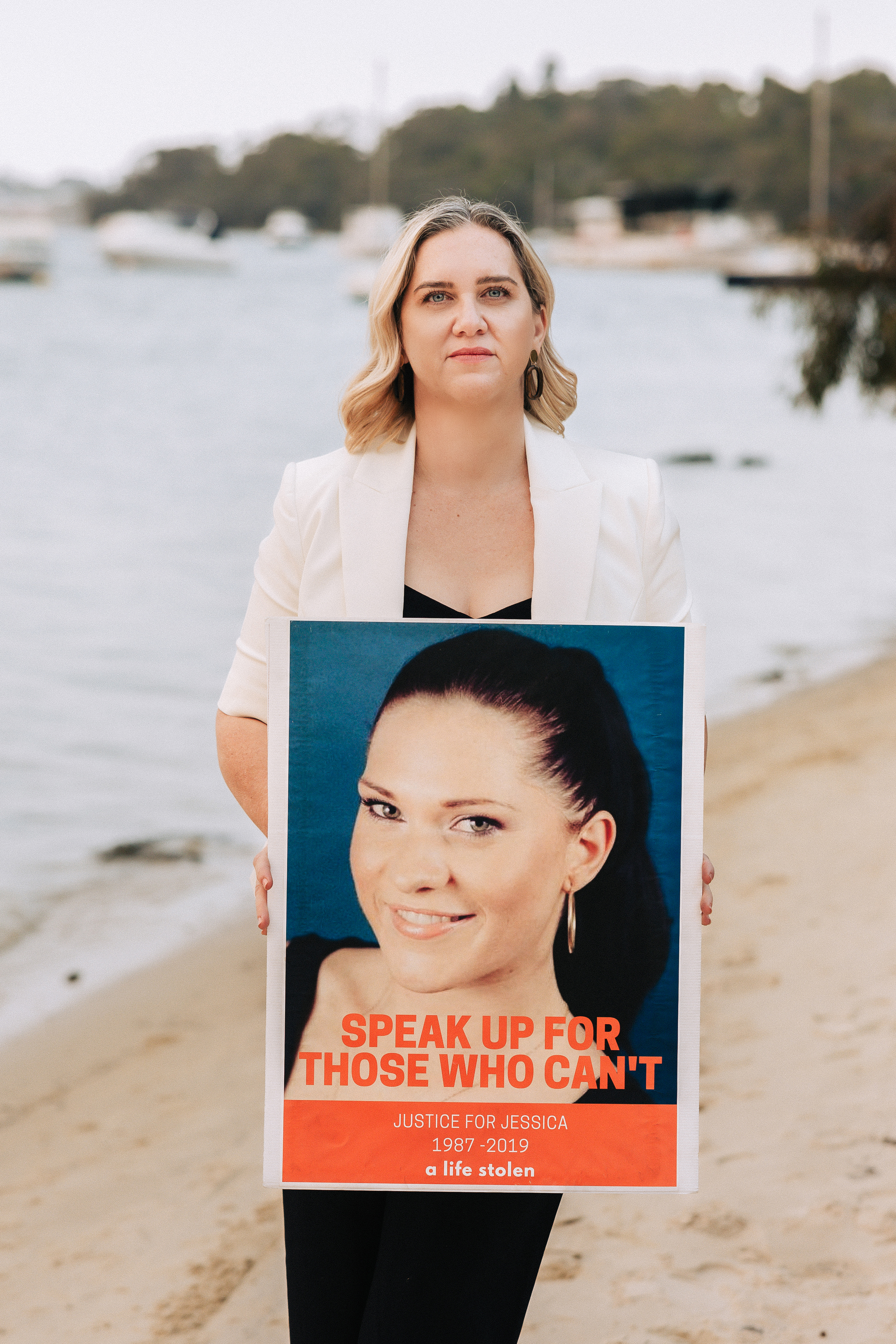
These statistics reflect an ongoing family and domestic violence national crisis that has gripped Australia for decades - one that Ms Scott has dedicated her life to fighting.
One critical issue Ms Scott is determined to spotlight at the Forum is the disconnect between existing domestic and family violence frameworks and the cultural realities of First Nations communities.
"People don't know how to work with Aboriginal peoples, particularly in this area of work; there are lots of misunderstandings. Systems and services are not designed for us," she told National Indigenous Times.
Although domestic and family violence is a frequent topic in the national conversation, First Nations voices are too often absent despite being the most statistically impacted. Ms Scott believes this inhibits domestic and family violence reform in First Nations communities:
"I honestly think that we have the answers, and I constantly hear myself and other Aboriginal people come to the table with the solutions, but unfortunately, they rarely get enough support or funding to do things. So until we get some real involvement and power in this space, I don't think anything will change for us."
Ms Scott believes that First Nations communities must also confront internal challenges to domestic and family violence, including lateral violence.
"Lateral violence is the violence that happens in our community amongst us. We do know that that kind of violence comes from invasion and colonisation, and that the purpose of it is to have communities fighting amongst themselves so that they don't fight their presence," she said.
"It's hugely damaging, and it can prevent the right people from stepping up into roles where they can be agents of change. So I think we need to get on top of that, because we need more leaders."
Ms Scott believes healing is an essential part of the path towards change for both individuals and communities.
"Trauma robs us of living a healthy, happy, thriving life," she said.
"I think we need to focus on giving our kids a good life and undoing some of the hurt and trauma that has been done. When we deal with it for ourselves, we do a huge service to our family and loved ones around us, because they get the best of us as well."
While the journey ahead is challenging, Ms Scott remains hopeful that greater Indigenous representation and cohesion will lead to lasting and sustainable reform.
"I think our community is our biggest resource," she said.
Reflecting on her upcoming speech for the Forum, she added: "I will absolutely hold government to account and service providers to account, and anyone in a position to influence and decide what's happening in our community.
"But we also need to look internally as well, and we need people to come on this journey with us, and we're stronger together."
Ms Scott sees the Forum as a powerful platform to amplify her call for Indigenous-led change, especially for sensitive issues such as domestic and family violence.
"I hope my legacy is not just that Aboriginal people get to the table to be involved in decisions about our own lives and our communities, but that we are valued and seen as contributing a whole lot to mainstream Australia as well, because our ways of working and doing things and seeing people are incredibly valuable for everyone, not just our community."
"I don't think Australia has got there yet. I think we're still put in a box and given somewhat permission to influence Aboriginal topics and communities and people, but we need to be valued as the First Nations people of this country, and that we have a lot to offer everyone in this country."
National Indigenous Times is an official media partner of Perth's National NAIDOC Forum; tickets can be purchased on Humantix.
If you or someone you know is experiencing domestic or family violence, contact:
1800RESPECT: 1800 737 732
13YARN (for Aboriginal and Torres Strait Islander people): 13 92 76



